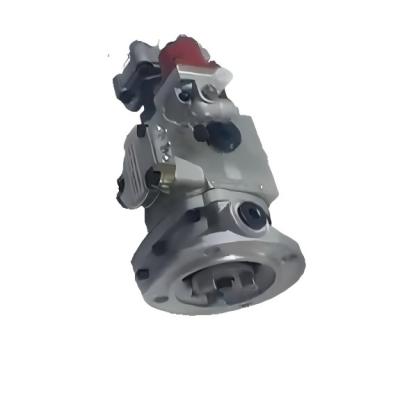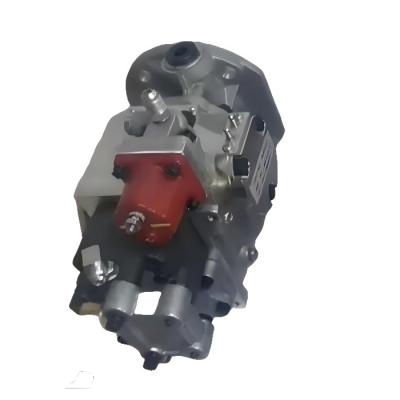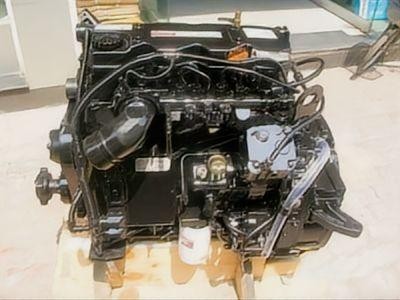
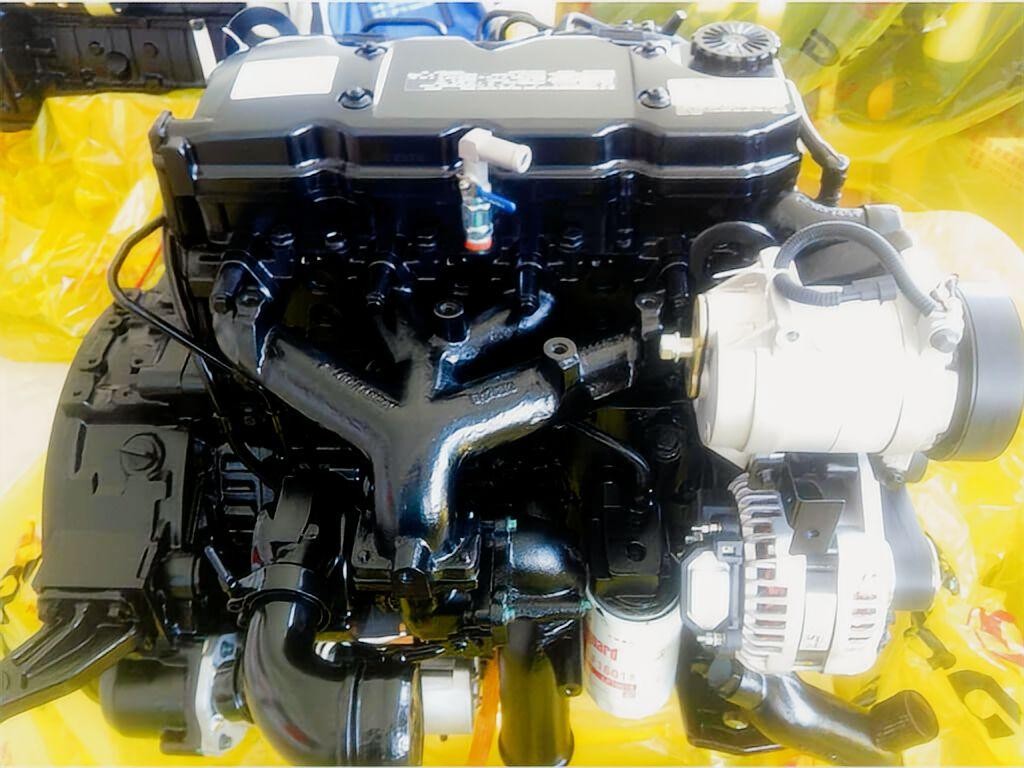
The Cummins ISDe210-40 stands as a benchmark medium-duty diesel power plant engineered specifically for commercial transport vehicles requiring robust torque delivery and stringent emissions compliance. Developed under the Dongfeng Cummins (DCEC) joint venture, this 6.7-liter, six-cylinder turbocharged and intercooled engine generates a rated output of 155 kilowatts (210 horsepower) at 2,500 revolutions per minute.
Unlike lighter four-cylinder variants in the ISBe family, the displacement architecture of the ISDe210-40 utilizes a 107mm cylinder bore paired with a 124mm piston stroke. This balanced geometric proportion allows the power plant to sustain a maximum torque of 800 Newton-meters across a wide operating band. Commercial vehicle operators select this specific rating because it bridges the operational gap between light urban distribution trucks and heavy regional haulers, delivering dependable power without excessive fuel consumption.
Evaluating the Cummins ISDe210-40 against sibling models such as the ISDe180-30 and the higher-rated ISDe245-40 reveals critical engineering distinctions. While the physical block architecture, displacement, and wet weight remain largely consistent across the 6.7-liter platform, calibration parameters and fuel injection mapping differ significantly.
Compared to the lower-output ISDe180-30, the ISDe210-40 incorporates a revised turbocharger wastegate setting and higher fuel rail pressure thresholds managed by the Bosch common rail fuel system. These adjustments permit a 30-horsepower increase while maintaining thermal stability under continuous load.
Conversely, when contrasted with the ISDe245-40, the ISDe210-40 operates with more conservative thermal and mechanical stress profiles. While the ISDe245-40 targets demanding multi-axle cargo haulers requiring aggressive acceleration under heavy payloads, the ISDe210-40 prioritizes component longevity and fuel economy in standard intercity distribution vehicles and medium-duty passenger coaches.
Operators transitioning from older mechanical injection systems often confuse the higher peak power of the ISDe210-40 with increased thermal fatigue. In practice, the integrated wastegate control actively limits exhaust gas temperatures, protecting valve seats and piston crowns during prolonged highway climbs.
The practical deployment of the DCEC ISDe210-40 engine spans several demanding commercial sectors across global markets. In the medium-duty logistics sector, fleet operators install this assembly into 4x2 and 6x2 cargo trucks operating on regional trunk lines. The engine's low-end torque delivery ensures seamless launch performance when fully loaded, reducing clutch wear during frequent stop-and-go urban approaches.
Another primary deployment environment is intercity passenger transportation. Medium-duty coach builders integrate the ISDe210-40 into 9-to-11-meter transit buses where passenger comfort and schedule reliability dictate operational success. The engine's acoustic dampening and balanced six-cylinder firing order minimize cabin vibration compared to four-cylinder alternatives.
Furthermore, specialized municipal utility vehicles, including medium-capacity street sweepers and localized fuel tankers, rely on the power take-off capabilities integrated into the rear gear train of the ISDe block, driving auxiliary hydraulic pumps without compromising primary propulsion performance.
Maximizing the operational lifespan of the Cummins ISDe210-40 requires strict adherence to scheduled maintenance intervals, particularly regarding fuel filtration and emission aftertreatment systems. Because this engine meets Euro IV emission standards, it relies heavily on Selective Catalytic Reduction (SCR) technology and high-pressure common rail injection.
A prevalent misconception among fleet maintenance personnel is that common rail diesel injectors can be periodically cleaned using standard chemical fuel additives alone. In practice, the ultra-tight tolerances within the Bosch solenoid injectors demand pristine fuel filtration rated at 5 microns or finer. Allowing contaminated fuel to bypass primary water-separating filters rapidly erodes internal control valves, leading to irregular idle and black smoke emissions.
When conducting a complete engine assembly replacement, technicians must ensure that the electronic control unit calibration matches the specific transmission gear ratios and vehicle final drive. Installing a raw bare block without properly flashing the corresponding calibration file can induce diagnostic trouble codes related to torque mismatch and exhaust gas recirculation valve positioning. Regular oil analysis every 20,000 kilometers helps detect early coolant seepage or excessive bearing wear before catastrophic failure occurs.
As an established DCEC and Cummins engine supplier, HekoPower maintains a comprehensive inventory of complete engine assemblies and replacement parts tailored to commercial fleets. DCEC ISDe Series, original products from Dongfeng Cummins Engine Plant (DCEC), Cummins Joint Venture Plant since 1986, 50% shareholding by Cummins USA. This series mainly includes ISDe140-30, ISDe140-40, ISDe160-30, ISDe160-40, ISDe180-30, ISDe180-40, ISDe185-30, ISDe185-40, ISDe200-30, ISDe210-30, ISDe210-40, ISDe230-30, ISDe245-30, ISDe270-30, ISDe285-30, ISDe300-40.
The ISDe210-40 is engineered primarily for medium-duty cargo trucks, regional distribution lorries, and 9-to-11-meter intercity passenger buses requiring reliable 210HP output.
It utilizes an advanced Bosch high-pressure common rail fuel injection system coupled with an external Selective Catalytic Reduction aftertreatment architecture to reduce nitrogen oxide emissions.
Yes, the physical mounting dimensions and flywheel housing layout align with older ISDe variants, but wiring harnesses and electronic control unit software calibrations must be verified for sensor compatibility.
The 155kW rating is calibrated for optimized fuel economy and extended component service life in moderate-load applications, whereas higher ratings utilize aggressive fueling maps designed for heavy payload hauling.