Details
Weichai WP7C268-18E120 Marine Propulsion Engine: The Commercial Operator's Complete Guide
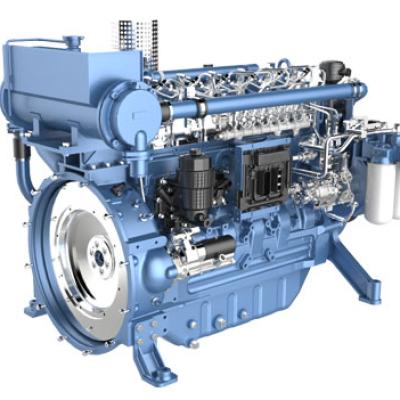
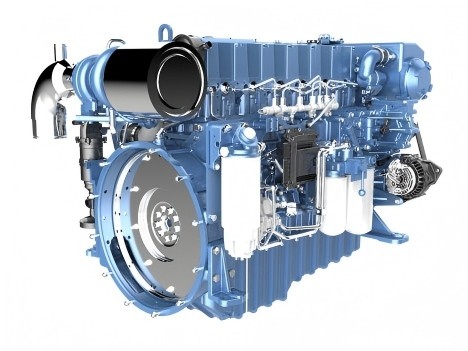
The Weichai WP7C268-18E120 Marine Engine is a high-performance marine propulsion engine developed for commercial vessels that require dependable power, efficient fuel consumption, and long operating life. Rated at 268HP (197kW), this six-cylinder engine belongs to the proven Weichai WP7 Series Marine Diesel Engine platform and combines electronically controlled common rail technology with robust marine engineering.
Designed for fishing vessels, passenger boats, patrol craft, workboats, and coastal transport vessels, the WP7C268-18E120 provides an excellent balance between power output and operating economy. As a professional China marine engine supplier, HekoPower supplies genuine Weichai marine engines with export support, spare parts services, and technical assistance for customers worldwide.
Tech Specs of Weichai WP7C268-18E120
General Engine Data
Engine Model: Weichai WP7C268-18E120
Cylinder Count: 6 Cylinders in Line
Engine Type: 4-stroke, water cooled, in-line, turbocharged and aftercooled
Total Engine Displacement: 7.47 L
Bore * Stroke: 108×136 (mm)
Dimensions L×W×H): 1398×865×980 (mm)
net weight: 850 kg
Key Performance Data
Rated Power: 197 kW / 268 HP
Rated Speed: 1800 RPM
Idle Speed: 700±50 RPM
Minimum fuel consumption rate: 192 g/kW·h
Oil consumption rate: ≤0.2 g/kW·h
Torque reserve: 20-35%
More Technical Data
Certification: IMO Tier II
Aspiration: turbocharged and aftercooled
Starting system: Electrical
Rotation(facing the flywheel) : Counter-clockwise
Fuel system: HPCR
Power rating: P1
Noise: ≤97 dB(A)
Fuel Injection and Governing Systems
At the heart of the Weichai WP7 common rail marine engine is a high-pressure common rail fuel delivery system. This electronically controlled marine diesel framework measures fuel volume with microsecond precision. By optimizing the fuel injection pressure based on real-time RPM and load demands, the system eliminates the black smoke spikes historically associated with mechanical marine diesels during rapid throttle adjustments.
Technical Comparison: Evaluating Mid-Range Propulsion Options
Marine fleet managers often face the challenge of selecting between different engine series or competing global brands. Understanding where the Weichai WP7C268-18E120 fits into the global market helps buyers make an informed financial and mechanical decision.
Weichai WP7 Series vs. Traditional WP6 Series Engines
The shift from the older WP6 architecture to the modern Weichai WP7 Series Marine Diesel Engine represents a major technological leap forward. While the WP6 series relied heavily on mechanical governors and smaller displacements, the WP7 utilizes a 7.47-liter platform. This increased volume provides a significantly higher torque reserve at lower operational speeds.
Operating at a structured 1800 RPM sweep, the WP7C268-18E120 experiences lower structural stress than smaller engines forced to rev at 2100 RPM or higher to achieve a matching 268 horsepower boat engine output. This reduction in operating speed translates directly to less internal friction, reduced component fatigue, and an extended operational lifespan.
Weichai Electronically Controlled Systems vs. Competitor Mechanical Units
Many international operators seek a genuine Weichai marine engine exporter to replace legacy mechanical engines from alternative manufacturers. Mechanical engines are simple but lack the ability to adapt to varying marine loads.
The electronically controlled system on this Weichai IMO II marine engine constantly monitors exhaust temperatures, intake pressure, and coolant behavior. If a vessel encounters heavy towing resistance or rough seas, the engine adjusts its injection timing to protect internal components. This active self-protection framework prevents the thermal cracking and premature piston wear that frequently plagues completely mechanical engines under prolonged heavy load.
Real-World Application Scenarios for the 268HP Platform
The operational profile of the Weichai 268HP marine engine makes it highly versatile across diverse maritime sectors. It is specifically calibrated for hulls that demand steady, uninterruptible power over long durations rather than sudden bursts of high-speed acceleration.
Commercial Fishing Vessel Propulsion
For operators managing a commercial fishing boat inboard engine 264HP to 268HP setup, fuel efficiency and low-speed trawling stability are non-negotiable. The Weichai WP7 series 1800 rpm fuel consumption profile is exceptionally flat, meaning the engine remains highly efficient whether idling while managing nets or running at full throttle back to port. The high torque at 1800 RPM ensures that the vessel maintains structural momentum against heavy currents even when fully loaded with the day's catch.
Passenger Boats and Coastal Water Taxis
Safety, low vibration, and clean operations define the priorities for a passenger boat diesel engine. The six-cylinder layout inherently cancels out primary and secondary mechanical vibrations, creating a significantly quieter and more comfortable deck environment for passengers. Furthermore, its status as an IMO II compliant marine engine guarantees that the vessel meets local environmental compliance parameters in protected coastal waterways and urban harbor zones.
Coastal Transport Vessels and Industrial Workboats
Whether serving as a coastal transport vessel engine or a dedicated workboat marine diesel engine, this power unit handles the daily abuse of continuous-duty shipping. Its robust cooling system handles high ambient water temperatures without dropping into derated safety modes. This makes it an exceptional choice for small cargo barges, push boats, and harbor maintenance crafts operating in demanding maritime channels.
Maintenance Protocols and Component Replacement Strategies
Securing a premium engine from an authorized China marine engine supplier is only the first step. Maximizing your return on investment requires strict adherence to localized maintenance intervals and the exclusive use of genuine components.
Routine Service Intervals and Overhaul Windows
Industrial operators must structure their service schedules around real engine hours rather than calendar days. For the WP7C268-18E120, engine oil and primary fuel filtration systems require replacement every 250 to 300 operating hours under standard commercial load profiles.
The Weichai WP7C268 overhaul interval hours typically arrive between 10,000 and 12,000 hours of operation, provided that the cooling water quality is maintained and fuel filtration is strictly managed. Accessing a verified WP7C268-18E120 specifications manual through HekoPower ensures your crew has the exact torque values and clearance measurements required for these scheduled field adjustments.
Managing High-Pressure Common Rail Longevity
The primary enemy of any modern common rail marine diesel engine is fuel contamination. Marine fuel tanks are prone to condensation, which introduces water and microscopic particulates into the fuel lines.
To safeguard the sensitive electronic injectors on your Weichai WP7 common rail marine engine, install a high-capacity water-separating pre-filter between the main fuel tank and the engine's primary lift pump. Inspect this water separator daily. Catching moisture before it reaches the high-pressure fuel pump prevents expensive component degradation and avoids unscheduled vessel downtime.
Procurement Logistics: Partnering with HekoPower
As an established commercial marine engine supplier, HekoPower simplifies the complex process of international engine sourcing, logistics configuration, and technical onboarding.
Genuine Parts Guarantee and Factory Sourcing
The global maritime market features numerous third-party component builders, but prioritizing a genuine Weichai marine engine ensures that every seal, piston ring, and sensor matches precise factory tolerances. HekoPower operates directly as a trusted China Weichai marine engine supplier, guaranteeing that every propulsion unit shipped from our facility is an authentic, factory-tested build complete with original serial tracking numbers and official manufacturing documentation.
Quotation Framework and Global Lead Times
We recognize that a broken down vessel loses money every day it sits in a dry dock. HekoPower has streamlined our marine engine quotation and lead time workflows to provide transparency and speed. When you request a commercial quotation for the WP7C268-18E120, our logistics team coordinates the exact freight packaging, marine classification society certifications, and export documentation required for your specific port of entry. We maintain active inventory channels to ensure your replacement engine or new-build power package arrives on schedule.
Weichai WP7 series marine diesel engine, original products from Weichai. This series mainly includes WP7C150-15E120, WP7C240-18E120, WP7C268-18E120, WP7C278-21E120, WP7C300-22.5E120.
Frequently Asked Questions
What does the specific model code WP7C268-18E120 signify?
The model nomenclature breaks down into specific engineering data points. "WP7" represents the Weichai Power 7-liter engine platform base. The "C" denotes its specific engineering classification for marine applications. "268" indicates the gross brake horsepower rating of the unit, while the "18" indicates its designated operational speed of 1800 RPM. The final segments indicate its specific electronic configuration and emission compliance standards.
How does this engine achieve low fuel consumption compared to older models?
The marine engine with low fuel consumption ratings utilizes an advanced Electronic Control Unit that manages fuel delivery via a common rail line. By injecting fuel at extremely high pressures into a precisely designed combustion bowl, the engine achieves a cleaner, more complete burn. This extracts the maximum amount of kinetic energy from every drop of diesel, lowering overall consumption while minimizing exhaust emissions.
Can HekoPower assist with specific marine classification certifications?
Yes. As a comprehensive wholesale Weichai marine engine provider and OEM marine engine supplier, HekoPower coordinates with major international maritime classification societies. Whether your regional regulations require CCS, BV, ABS, or GL verification, our engineering team ensures that the engine package and corresponding documentation match the necessary structural and safety guidelines before final crating and dispatch.
What are the immediate advantages of the 1800 RPM speed rating?
Engines optimized for 1800 RPM offer distinct advantages for commercial workboats over high-speed 2200+ RPM models. The lower operational speed reduces the wear rate on internal moving parts, lowers the engine room's acoustic profile, and allows the engine to pair with larger, high-efficiency propellers via the marine gearbox. This configuration delivers superior bollard pull and steady propulsion efficiency across all sea states.