Details
Weichai WP7C240-18E120 Marine Propulsion Engine: Complete Sourcing & Engineering Hub
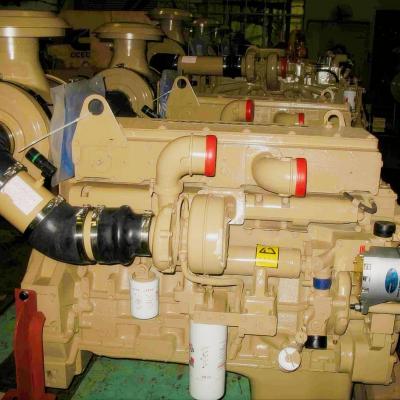
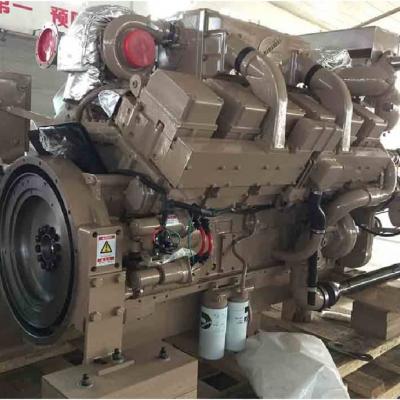
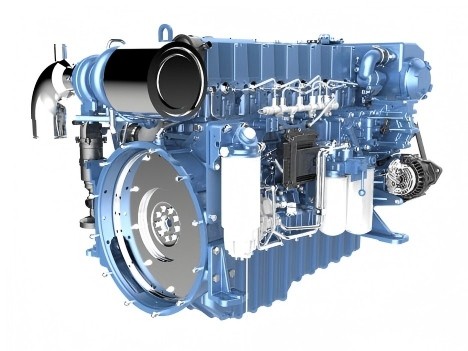
The Weichai WP7C240-18E120 is a high-performance marine propulsion engine developed for commercial vessels requiring dependable power, efficient fuel consumption, and long service life. As part of the proven Weichai WP7 Series Marine Diesel Engine family, this model delivers 240 HP (176kW) at 1800rpm and is designed to meet the demands of fishing vessels, passenger boats, utility craft, and inland waterway transportation.
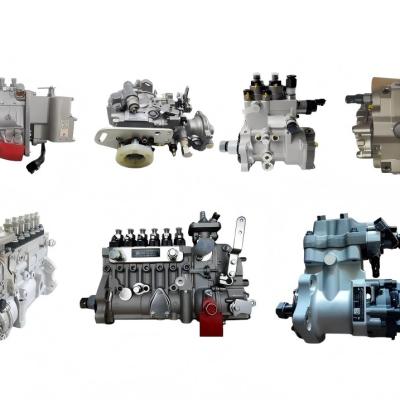
The engine incorporates electronically controlled common rail technology, allowing precise fuel injection control across different operating conditions. This results in improved combustion efficiency, reduced emissions, and smoother engine response. For operators seeking an IMO Tier II compliant 240HP marine diesel engine, the WP7C240-18E120 offers an effective balance between performance and operating economy.
At HekoPower, we supply genuine Weichai marine propulsion engines together with technical consultation, export support, spare parts assistance, and after-sales service for shipowners, shipyards, and marine equipment distributors worldwide.
Tech Specs of Weichai WP7C240-18E120
General Engine Data
Engine Model: Weichai WP7C240-18E120
Cylinder Count: 6 Cylinders in Line
Engine Type: 4-stroke, water cooled, in-line, turbocharged and aftercooled
Total Engine Displacement: 7.47 L
Bore * Stroke: 108×136 (mm)
Dimensions L×W×H): 1398×865×980 (mm)
net weight: 850 kg
Key Performance Data
Rated Power: 176 kW / 240 HP
Rated Speed: 1800 RPM
Idle Speed: 700±50 RPM
Minimum fuel consumption rate: 192 g/kW·h
Oil consumption rate: ≤0.2 g/kW·h
Torque reserve: 20-35%
More Technical Data
Certification: IMO Tier II
Aspiration: turbocharged and aftercooled
Starting system: Electrical
Rotation(facing the flywheel) : Counter-clockwise
Fuel system: HPCR
Power rating: P1
Noise: ≤97 dB(A)
Engineering Comparisons: WP7 Electronic Common Rail vs. Mechanical Legacies
Selecting the proper 240 HP Weichai marine engine requires evaluating how modern electronic systems stack up against older mechanical propulsion options. Shipowners often debate whether the transition to electronic fuel management justifies the structural change.
Injection Characteristics and Pressure Management
Older mechanical marine engines rely on standard inline injection pumps where fuel pressure links directly to engine RPM. At lower speeds, injection pressure drops, causing incomplete fuel combustion. In contrast, the Weichai WP7 common rail marine engine maintains consistent rail pressures up to 2200 bar. This system allows the fuel to atomize completely across the entire power curve, lowering the minimum fuel consumption rate to 192 g/kW·h and cutting down on carbon deposits on the valves.
Emissions and Environmental Compliance
Environmental regulations represent a major factor for modern commercial shipyards. The WP7C240-18E120 is fully certified as an IMO Tier II compliant 240HP marine diesel engine. The precise fuel management from the ECU matches intake airflow with fuel volume to limit nitrogen oxide emissions. Mechanical engines generally struggle to meet these international standards without relying on bulky, expensive exhaust after-treatment accessories.
Transient Response and Handling
Mechanical propulsion systems typically experience a noticeable power lag when a captain advances the throttle quickly. The electronic management on this 176kW marine diesel engine monitors load changes constantly, adjusting the fuel volume within milliseconds. This creates a sharper acceleration response, giving captains better control when maneuvering in tight harbors or managing strong currents.
Application Profile: Deployment Across Commercial Hull Configurations
The adaptability of this Weichai 176kW propulsion diesel makes it popular across diverse commercial sectors. Applying the rules found in our comprehensive Weichai WP7 series continuous P1 duty application guide ensures optimal performance across three primary vessel categories.
Commercial Fishing Vessels
In the commercial fishing industry, matching the hull with a dependable 240HP fishing vessel engine determines daily operational profitability. For trawlers and longliners, the engine must support two distinct operation phases: traveling quickly to the fishing grounds at high RPM, and long hours of slow-speed, high-load trawling. The Weichai engine for fishing boats handles these demands efficiently. Its high torque backup prevents stalling when heavy nets create significant drag on the hull.
Passenger Ferries and Sightseeing Craft
For passenger ferries and sightseeing vessels navigating inland waterways, mechanical reliability and passenger comfort are paramount. The reduced vibration of this electronically managed engine minimizes cabin noise, improving the passenger experience. Using this reliable engine for an inland waterway vessel also ensures operators can maintain tight transit schedules while keeping overall operating costs low.
Workboats and Utility Vessels
Harbor service vessels, utility boats, and patrol craft require a highly responsive workboat propulsion engine. These applications demand rapid transitions from idle to full power during towing or docking operations. The robust cooling configuration on this engine prevents overheating when running at full capacity, making it a reliable option for shipyards specifying power systems for demanding government and commercial utility projects.
Life Cycle Asset Management: Preventative Service and Replacement Strategies
To maximize your investment when you buy a Weichai WP7C240-18E120 marine engine, you must establish a disciplined maintenance routine. Marine environments subject machinery to constant moisture and high salt levels, making consistent service essential.
Fuel Filtration Quality Control
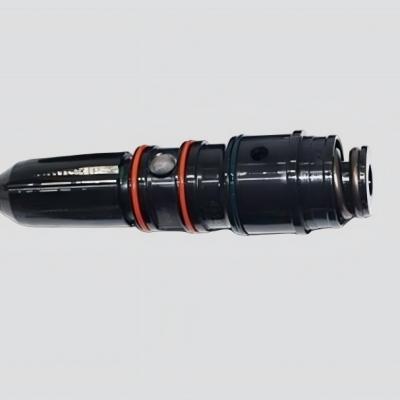
The high-pressure common rail fuel system relies on tight manufacturing tolerances within the injectors. Because of this, fuel filtration is your primary defense against premature component wear. Operators should install a multi-stage water separator filter system ahead of the factory engine filters. Change the primary fuel filter elements every 250 operating hours, or immediately if you notice a pressure drop along the fuel line.
Monitoring Lubrication and Cooling Integrity
Regular oil analysis helps identify internal engine wear before it leads to a mechanical failure. Swap out the marine engine oil and replace the oil filters every 250 hours of operation. Keep a close eye on the zinc anodes inside the raw-water heat exchanger, replacing them once they experience 50% wear to prevent galvanic corrosion from damaging the cooling tracks.
Major Overhaul Scheduling
When operating under a continuous P1 duty cycle, this engine family typically reaches its major component inspection point around 12,000 to 15,000 operational hours. When conducting a full rebuild, always use genuine Weichai WP7C240-18E120 components. Installing non-authorized aftermarket parts can disrupt the balancing of the rotating assembly, causing unexpected crankshaft issues down the road.
Global Sourcing, Technical Procurement, and Logistics
When managing international marine projects, securing clear commercial terms is just as critical as analyzing technical blueprints. HekoPower streamlines the sourcing process for global shipyards and fleet operators looking for a trusted Weichai marine engine dealer.
Sourcing Genuine Engine Assemblies
The international maritime market contains varying equipment grades, making it important to know where to buy authentic Weichai WP7 engine assemblies. HekoPower supplies verified, factory-fresh propulsion units complete with original manufacturer warranties and official marine class certificates. Sourcing through authorized channels ensures your engine includes the specific components required to pass rigorous maritime inspections.
Evaluating Lead Times and Export Document Handling
Marine construction schedules require precise delivery timelines to avoid costly shipyard delays. As an established Weichai marine engine exporter, HekoPower manages the entire logistics chain from initial factory testing to ocean freight delivery. We maintain clear transparency regarding manufacturing lead times for overseas projects, coordinating customs clearance paperwork and transport logistics to get your power units delivered directly to your drydock.
Weichai WP7 series marine diesel engine, original products from Weichai. This series mainly includes WP7C150-15E120, WP7C240-18E120, WP7C268-18E120, WP7C278-21E120, WP7C300-22.5E120.
Frequently Asked Questions
What exact marine classification certificates are available for this specific model?
The engine can be supplied with mainstream international maritime certifications depending on your project requirements. These typically include CCS and EIAPP certificates verifying compliance with IMO Tier II emissions standards. When requesting a Weichai WP7 marine engine quotation from HekoPower, specify your required classification society so we can ensure the factory builds and stamps the assembly correctly.
Can this engine be directly coupled to a legacy mechanical marine gearbox?
Yes, but it requires verifying the flywheel housing dimensions and the torsional coupling specifications. This engine typically utilizes standard SAE1 or SAE2 flywheel housings with an SAE14 matching arrangement. Our engineering team at HekoPower reviews your existing gearbox blueprints to confirm alignment compatibility and ensure smooth power transmission.
What is the expected delivery timeframe for global commercial projects?
The production and delivery timeline depends on factory schedules and any custom equipment requests, such as specialized dual-walled fuel pipes or custom monitoring panels. Standard configurations generally ship within 30 to 45 days from our warehouse. For large-scale shipyard builds or custom repowers, contact us early to lock in your production slot and keep your build schedule on track.
How does the common rail system handle lower-quality marine fuel?
While common rail technology provides excellent efficiency, it is sensitive to fuel contaminants and water. Running low-quality fuel requires installing a high-efficiency water-separating pre-filter system. HekoPower can recommend and supply heavy-duty filtration packages tailored to the fuel conditions in your specific operating region.
Where can I access the complete technical documentation for this engine?
HekoPower provides the official Weichai WP7C240-18E120 datasheet and installation drawings directly to project engineers and shipyards. If you need a comprehensive Weichai WP7C240-18E120 PDF manual for vessel design or retrofitting analysis, contact our technical support desk with your hull specifications, and our team will prepare the necessary documentation.