Details
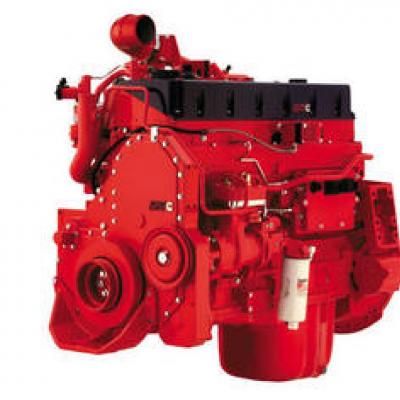
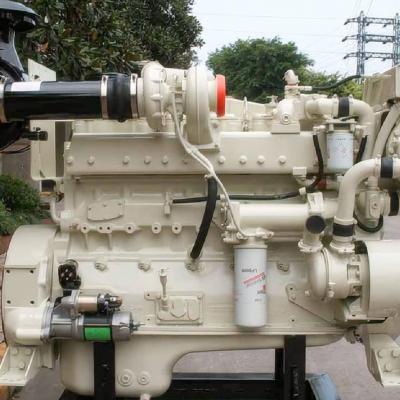
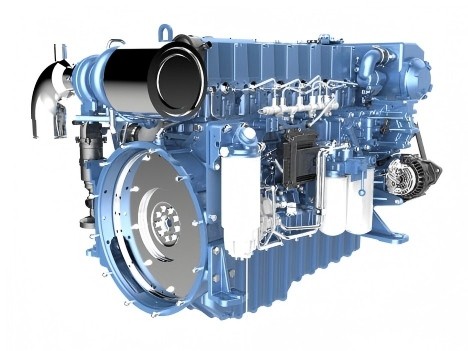
Weichai WP7C150-15E120 Marine Engine – 150HP 110kW IMO II Common Rail Propulsion Diesel
The Weichai WP7C150-15E120 marine engine is a reliable and fuel-efficient propulsion solution designed for commercial marine applications that require dependable continuous operation. Rated at 150HP (110kW) at 1500rpm, this engine belongs to the proven Weichai WP7 series marine engine family and combines modern high-pressure common rail technology with excellent fuel economy and low emissions.
As a professional marine diesel engine supplier, HekoPower provides genuine Weichai WP7C150-15E120 marine engines for customers worldwide. Whether you operate fishing vessels, passenger ferries, patrol boats, workboats, or small cargo vessels, this engine offers a practical balance between performance, durability, and operating costs.
The Weichai WP7 marine propulsion engine platform has earned a strong reputation in both domestic and international markets due to its mature design, stable power output, and ease of maintenance. For vessel owners seeking an IMO Tier II compliant 110kW marine engine, the WP7C150-15E120 remains one of the most competitive options in its class.
Tech Specs of Weichai WP7C150-15E120
General Engine Data
Engine Model: Weichai WP7C150-15E120
Cylinder Count: 6 Cylinders in Line
Engine Type: 4-stroke, water cooled, in-line, turbocharged and aftercooled
Total Engine Displacement: 7.47 L
Bore * Stroke: 108×136 (mm)
Dimensions L×W×H): 1398×865×980 (mm)
net weight: 850 kg
Key Performance Data
Rated Power: 110 kW / 150 HP
Rated Speed: 1500 RPM
Idle Speed: 700±50 RPM
Minimum fuel consumption rate: 192 g/kW·h
Oil consumption rate: ≤0.2 g/kW·h
Torque reserve: 20-35%
More Technical Data
Certification: IMO Tier II
Aspiration: turbocharged and aftercooled
Starting system: Electrical
Rotation(facing the flywheel) : Counter-clockwise
Fuel system: HPCR
Power rating: P1
Noise: ≤97 dB(A)
High-Pressure Common Rail Infrastructure
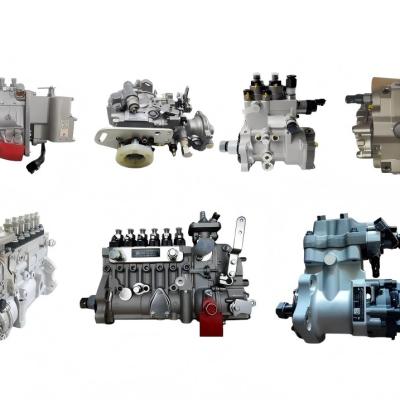
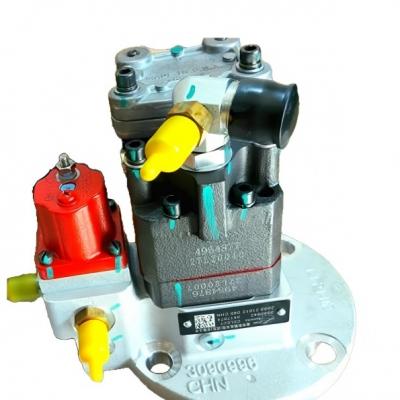
At the heart of this machine lies the Weichai common rail marine diesel system. Moving away from legacy mechanical pumps, this model integrates a high-pressure common rail fuel system governed by a marine-tuned electronic control unit. The system maintains massive injection pressures independent of engine speed, atomizing the fuel into microscopic droplets for rapid flame propagation.
This precise fuel delivery system produces a remarkably flat torque curve. The electronic management ensures complete thermal combustion, driving down emissions while eliminating the classic thick black smoke trail associated with older mechanical marine diesels during sudden throttle transitions.
Global Environmental Compliance
Regulatory frameworks dictate where a commercial vessel can legally operate. The Weichai WP7C150-15E120 IMO II compliant engine meets strict global international maritime organization regulations. By carefully tuning the pilot and main injection timing windows inside the cylinder, the engine lowers peak combustion temperatures, effectively cutting harmful nitrogen oxide emissions. This compliance makes it an ideal choice for operations in coastal zones and strictly regulated waterways.
Market-Wide Performance Comparisons
Navigating the crowded marketplace of mid-range marine propulsion requires an objective look at competing technologies. Buyers often weigh the Weichai WP7 series marine engine against alternative engine platforms or mechanical setups.
Weichai WP7 Series vs. Cummins 6B Series Platforms
When comparing the Weichai WP7C150-15E120 vs Cummins marine engine platforms of similar displacement, several distinct engineering divergence points emerge. Legacy platforms often utilize simpler mechanical injection systems or mechanical governors. While mechanical setups are straightforward, they lack the real-time atmospheric and load compensation features found in the Weichai electronic unit.
The WP7 platform utilizes a modern structural block layout designed with higher structural ribbing density. This extra reinforcement accommodates the extreme peak pressures generated by the modern common rail system, resulting in less overall block distortion over long operational intervals.
Weichai WP7 vs. Yuchai Marine Engine Competitors
Looking at alternative domestic options, a comparison of the Weichai WP7 vs Yuchai marine engine models highlights differences in low-speed performance. The WP7 architecture emphasizes an optimized torque reserve at lower operational revolutions.
While some competitor platforms focus on maximizing top-end horsepower at elevated engine speeds, the WP7 optimizes its power curve at a steady 1500rpm. This design philosophy reduces internal component wear, translating into longer intervals between major overhauls during continuous commercial operations.
Common Rail vs. Mechanical Marine Diesel Engine Paradigms
The operational debate regarding a common rail vs mechanical marine diesel engine centers on fuel efficiency versus perceived repair simplicity. Mechanical engines rely on physical springs and linkages that wear out over time, leading to gradual timing drift and rising fuel bills.
The common rail setup eliminates this physical drift entirely. The electronics constantly monitor temperature, load, and fuel quality, making instantaneous microscopic changes to the fuel injection map. This system delivers a highly optimized Weichai WP7C150-15E120 fuel consumption rate that remains stable over thousands of operational hours.
Real-World Maritime Application Scenarios
The unique configuration of the Weichai WP7C150-15E120 marine engine makes it highly versatile across several specialized commercial maritime sectors.
Commercial Fishing Trawlers and Coastal Vessels
Fishermen need a powertrain that can handle long transit speeds out to sea and then transition seamlessly into high-load dragging operations. The WP7 serves as an excellent 150HP marine diesel engine for fishing vessel hulls up to 20 meters.
Its low-speed torque reserve allows the vessel to maintain steady headway against strong currents while towing heavy nets, without overloading the thermal cooling systems. The engine's resistance to fuel degradation is highly valuable when operating out of remote coastal ports with varying fuel quality.
Inland Waterway Cargo Transports and Barges
For inland logistics, a dependable 110kW marine engine for commercial boats is the standard operational standard. Small cargo vessels operating on river systems require continuous power for days at a time. The WP7 handles these long P1 duty cycles easily, running at steady load factors without experiencing the carbon buildup that can plague oversized engines running below their ideal operating temperature.
Passenger Ferries and Coastal Patrol Boats
In passenger transport, reducing cabin noise and vibration directly impacts comfort and safety. The precise injection timing of the common rail fuel system reduces structural vibration by a notable margin. Whether configured as a Weichai engine for patrol boats or a Weichai engine for passenger ferries, the power plant delivers the quick throttle response needed for harbor maneuvering alongside low ambient exhaust odors.
Preventative Maintenance & Component Replacement Lifecycles
Maximizing the operational lifespan of a Weichai 110kW marine diesel engine requires a disciplined maintenance approach. Marine environments introduce salt, humidity, and constant vibration that accelerate component wear if ignored.
Primary Fuel Filtration and Water Separation
The high-pressure components inside a common rail engine tolerate zero water contamination. HekoPower advises installing a multi-stage fuel filtration system ahead of the factory-mounted filters.
Water separation elements must be inspected daily and drained of any settled moisture. A microscopic drop of water passing into the high-pressure fuel rail can flash into steam under extreme pressure, causing severe injector tip erosion.
Valve Lash Adjustments and Top-End Maintenance
Even with advanced electronics, the mechanical valve train demands routine physical inspection. Valve clearance adjustments must occur after the initial break-in period and then at regular factory intervals. Proper valve seating ensures ideal compression ratios and prevents thermal fatigue on the exhaust valve faces, which can alter the engine's emissions profile.
Sacrificial Anode Monitoring within Heat Exchangers
The cooling layout utilizes a robust sea-water heat exchanger system. To prevent galvanic corrosion from destroying internal copper-nickel cooling tubes, operator must inspect and replace the built-in zinc sacrificial anodes regularly. Allowing these zinc plugs to dissolve completely will cause the sea-water loop to corrode the internal fresh-water pathways, leading to overheating and costly block damage.
Commercial Procurement Logistics
When searching for a genuine Weichai WP7C150-15E120 supplier, securing the physical hardware is only part of the equation. Commercial operations require clear visibility on lead times, pricing models, and technical documentation.
Understanding Quotation Variables
The base cost of a Weichai WP7C150-15E120 price varies depending on the specific accessory packages required for your hull. Factors such as a wet vs. dry exhaust manifold, mechanical or electronic instrument panels, and specialized marine gearbox matching options all influence the final Weichai WP7C150-15E120 quotation. HekoPower builds comprehensive, transparent quotes covering all peripheral systems to prevent unexpected costs during vessel installation.
Lead Time Management and Global Delivery
As an established China Weichai marine engine supplier and global Weichai WP7C150-15E120 exporter, HekoPower coordinates streamlined manufacturing allocations to reduce asset downtime. Our logistical pipelines manage the factory inspection, sea-worthy export packaging, and international shipping protocols, ensuring your replacement engine or new-build power unit arrives at your shipyard on schedule.
Weichai WP7 series marine diesel engine, original products from Weichai. This series mainly includes WP7C150-15E120, WP7C240-18E120, WP7C268-18E120, WP7C278-21E120, WP7C300-22.5E120.
Frequently Asked Questions
What is the specific fuel consumption rate of the WP7C150-15E120 engine?
The optimized fuel consumption rate for this specific common rail model hovers around 195 g/kW·h at full rated load. When dialed back to its ideal cruise rpm within the torque band, fuel efficiency improves further, making it one of the most cost-effective 150HP inboard options available for commercial operators looking to control escalating trip costs.
Can this engine be fitted with a traditional mechanical power take-off?
Yes. While the fuel injection is electronically managed via the central ECU, the front end of the crankshaft can be equipped with an auxiliary mechanical pulley or power take-off (PTO) adapter. This configuration allows operators to drive hydraulic pumps, deck winches, or high-output auxiliary alternators directly from the main propulsion unit.
How does HekoPower verify the authenticity of a Weichai WP7 marine propulsion engine?
Every single engine supplied by HekoPower features a factory-stamped metal data plate detailing the unique engine serial number, production date, and build specifications. This code can be directly verified through Weichai’s official global tracking system, guaranteeing that you receive a genuine product with full factory warranty coverage.
What type of marine gearboxes are compatible with the WP7C150-15E120?
This model features standard SAE flywheel housing configurations that connect smoothly with a wide array of international marine gearboxes, including Advance, Fada, and Twin Disc systems. HekoPower provides custom engineering matching services to calculate the ideal reduction ratios based on your specific propeller pitch and hull design characteristics.