Details
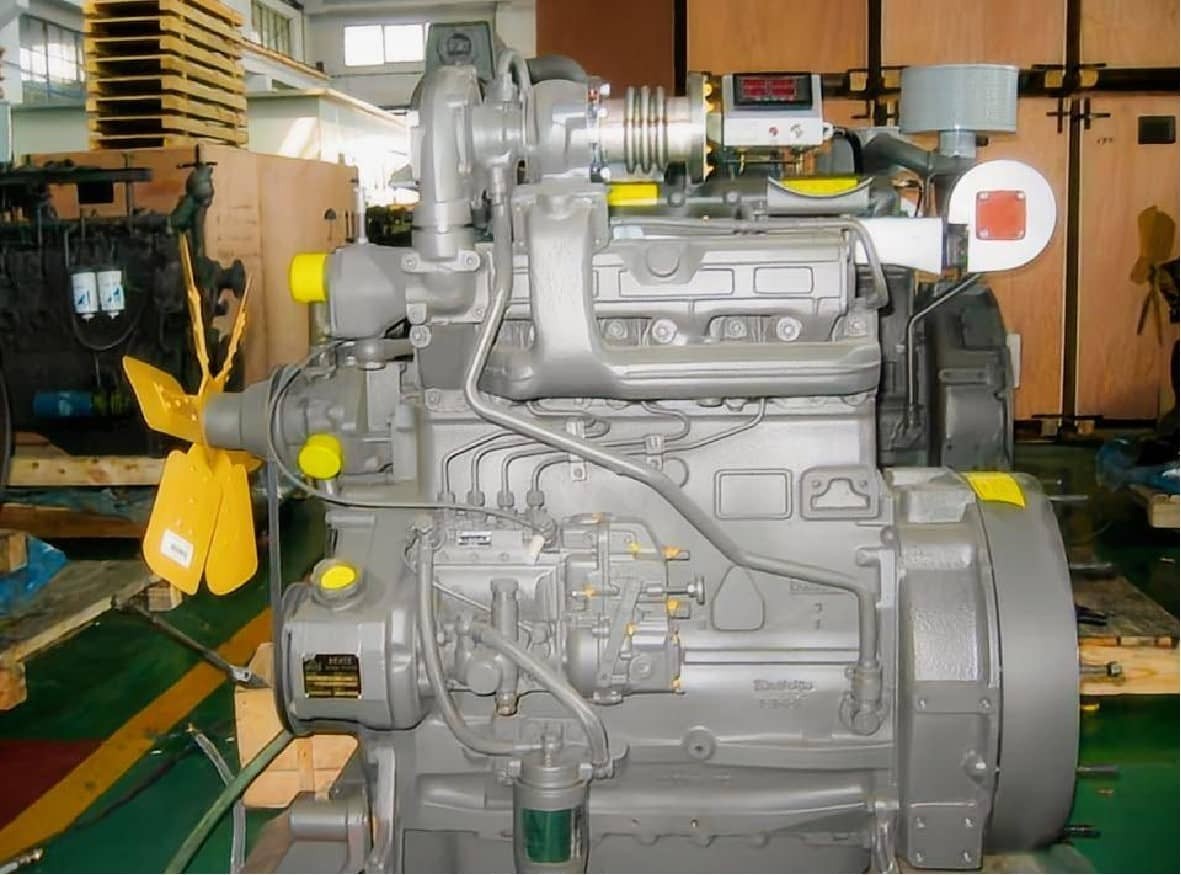
Deutz TBD226B-4II Vehicle Diesel Engine: 110kW / 150HP Performance
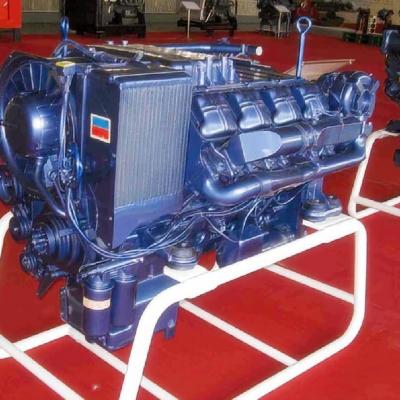
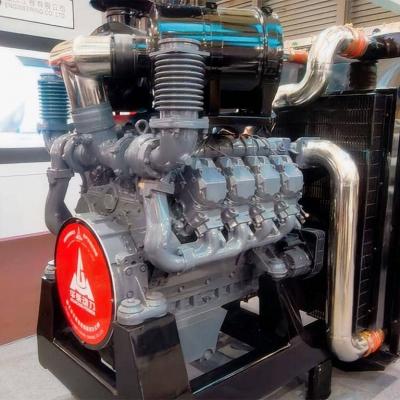
The Deutz TBD226B-4II is a highly specialized 4.16-liter, 4-cylinder diesel engine designed strictly for commercial vehicle propulsion. HekoPower supplies this 110 kW (150 HP) engine assembly for fleet operators running medium-duty trucks and passenger coaches. It operates efficiently at a rated 2500 rpm, delivering steady, reliable power where transport logistics demand it most.
By maintaining a Euro II emissions standard, this Deutz TBD226B-4II truck diesel engine offers an optimal balance of mechanical simplicity and heavy-duty performance. It features a robust 105 x 120 mm bore and stroke configuration, maximizing thermal efficiency across long operational hours.
Tech Specs of Deutz TBD226B-4II
General Engine Data
Engine Model: Deutz TBD226B-4II
Type: 4 Cylinders, in Line
Displacement: 4.16 L
Bore * Stroke: 105 * 120
Key Performance Data
Adversed Power/Speed: 110 kW/2500 rpm
Max. Torque/Speed: 510 N.m @ 1400-1600 rpm
Idle Speed: 750 ± 50 rpm
Min. Fuel Consumption @ Full-load: 198 g/Kw.h
More Technical Data
Certification: Euro II
Aspiration: Turbocharged & Aftercooled
Ignition Sequence: 1-3-4-2
Flywheel Casing: SAE1, SAE3
Overcoming Common Misconceptions About the TBD226B-4II
The Weichai and Deutz Connection
Buyers often question the distinction between a Weichai TBD226B-4II diesel engine and its Deutz counterpart. There is a frequent assumption that these are entirely different platforms. In reality, Weichai Power manufactured this specific series under a joint venture license from Deutz AG. The core architecture remains identical. When you purchase a replacement unit from HekoPower, you receive an engine built precisely to the original German engineering standards.
High Horsepower Versus Usable Torque
Another common misconception is that truck operators must constantly chase higher horsepower figures to carry heavier payloads. While the 150 HP output is highly capable, the real advantage of the TBD226B-4II vehicle engine lies in its torque curve. This engine produces 510 Nm of torque consistently between 1400 and 1600 rpm. This low-end pulling power allows commercial vehicles to accelerate smoothly under heavy loads without aggressive, fuel-wasting downshifts.
Technical Comparisons Within the 226B Engine Family
Fleet managers frequently evaluate different configurations within this engine family before making a purchase. Understanding the precise differences ensures the selected engine perfectly matches the vehicle's transmission and gross weight rating.
TBD226B-4II Versus TBD226B-4IIA
Buyers routinely compare the standard TBD226B-4II against the TBD226B-4IIA variant. The most prominent difference is the factory power calibration. The TBD226B-4II is tuned for 110 kW, prioritizing longevity and fuel efficiency for standard daily routes. The 4IIA version is pushed slightly higher to 120 kW. Opting for the 110 kW model reduces thermal stress on the cylinder head and cooling system. This lower stress profile significantly extends the overhaul intervals for standard logistics vehicles.
TBD226B-4II Versus TBD226B-4IIC
When evaluating the TBD226B-4IIC, buyers are stepping up into the highest output bracket available for this specific 4-cylinder block. Generating more power means the 4IIC creates more heat, which requires a much more robust vehicle cooling package to prevent overheating. For standard commercial truck applications, the standard TBD226B-4II offers a much safer operating margin. It places less strain on existing transmission and drivetrain components while still easily maintaining highway speeds at 2500 rpm.
Real-World Commercial Vehicle Applications
Medium-Duty Truck and Freight Platforms
The Deutz 4.16L vehicle diesel engine excels in local and regional freight distribution. Its compact 4-cylinder footprint allows truck builders and fleet repair shops to maximize cargo space without sacrificing cab comfort. The turbocharged intercooled engine design ensures that the vehicle maintains speed on steep gradients. This makes it a preferred choice for rigid trucks operating in variable topography.
Passenger Coaches and Urban Transit
Beyond commercial freight, the Euro II Deutz 226B-Vehicle diesel engine is heavily utilized in the passenger transport sector. Bus operators value its smooth idle and highly predictable power delivery. The mechanical fuel injection system is exceptionally resilient against the stop-and-go demands of urban transit. This reliability ensures buses remain on the road longer, avoiding the complex electrical sensor failures often associated with modern common-rail alternatives.
Maintenance and Engine Replacement Tips for Fleet Operators
Protecting the Fuel System and Optimizing Consumption
Achieving the ideal 110kW Deutz TBD226B-4II fuel consumption and torque curve requires strict adherence to fuel filter replacement schedules. The mechanical injection pump on this commercial vehicle engine is rugged but relies on clean diesel to prevent plunger wear. Always bleed the fuel lines thoroughly using the manual primer pump after swapping filters to prevent air locks. A well-maintained fuel system guarantees the engine will reliably hit its peak 510 Nm torque exactly at 1400 rpm.
Guidelines for a Complete Engine Assembly Replacement
When severe internal damage dictates a complete engine replacement, HekoPower provides fully assembled units to minimize your vehicle downtime. Before dropping the new TBD226B-4II complete engine assembly into the chassis, technicians must inspect the flywheel housing alignment and verify the engine mounts are intact. It is critical to ensure the vehicle's intercooler piping is thoroughly flushed. Any residual metal debris or oil from a previous turbocharger failure can immediately damage the new engine upon startup.
Exploring the Full 226B Vehicle Engine Series
While the 110 kW Deutz TBD226B-4II offers an exceptional balance of power and economy for medium-duty commercial vehicles, specific fleet requirements vary widely. Some heavy-duty chassis configurations demand higher horsepower, while others might require a different cylinder layout to accommodate specialized transmissions. To ensure you source the exact match for your vehicle, HekoPower supplies the complete range of configurations within this platform.
The engines for truck mainly include Deutz TBD226B-3II, Deutz TBD226B-4II, Deutz TBD226B-4IIA, Deutz TBD226B-4IIC, Deutz TBD226B-6IIA, Deutz TBD226B-6IIB, Deutz TBD226B-6IIC.
The engines for coach mainly include TBD226B-4IIA, TBD226B-6IIC, TBD226B-6IID.
The engines for bus mainly include TBD226B-4IIA, TBD226B-6IIC, TBD226B-6IID.
Frequently Asked Questions (FAQ)
What is included when I buy the Deutz TBD226B-4II engine from HekoPower?
We supply the TBD226B-4II as a complete engine assembly. This means it arrives from our facility with the turbocharger, fuel injection pump, water pump, alternator, and starter motor pre-installed. It is essentially ready to be bolted directly into your commercial vehicle once the correct fluids are added.
How do I verify that this engine fits my current truck?
The most reliable method is to check your existing engine nameplate for the specific TBD226B-4II designation. You should also confirm the flywheel housing dimensions and verify the total 4.16-liter displacement. Our technical sales team can cross-reference your current setup to guarantee a drop-in replacement.
Do you supply Weichai Deutz TBD226B-4II replacement parts alongside whole engines?
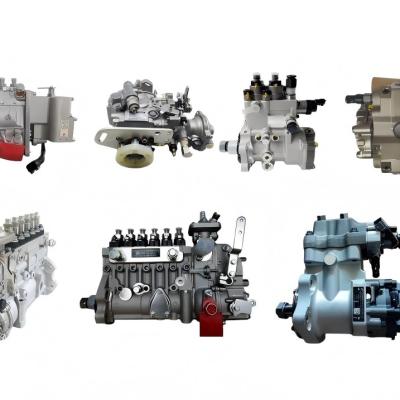
Yes. HekoPower operates as a comprehensive engine wholesale supplier. We provide wholesale agent prices not just for the complete assembly, but also for all genuine maintenance components. This includes complete overhaul gasket kits, piston assemblies, fuel injectors, and replacement turbochargers specifically calibrated for the 110 kW model.
Why should I choose this Euro II mechanical engine over an electronic model?
For many international markets, the TBD226B-4II Euro II diesel engine is far more practical. It does not require proprietary diagnostic laptops or software to troubleshoot. Any competent diesel mechanic can service it using standard hand tools, which significantly reduces repair costs and minimizes vehicle downtime in remote operational areas.