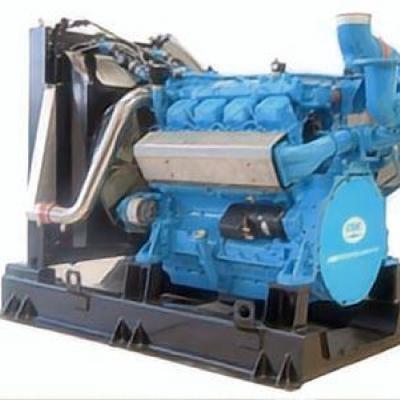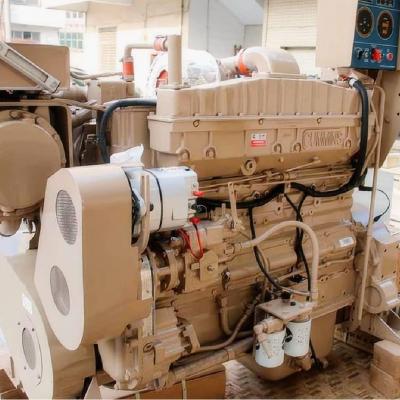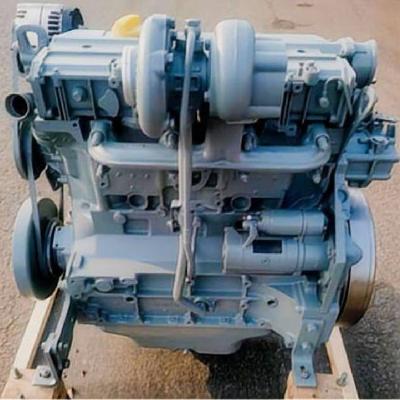
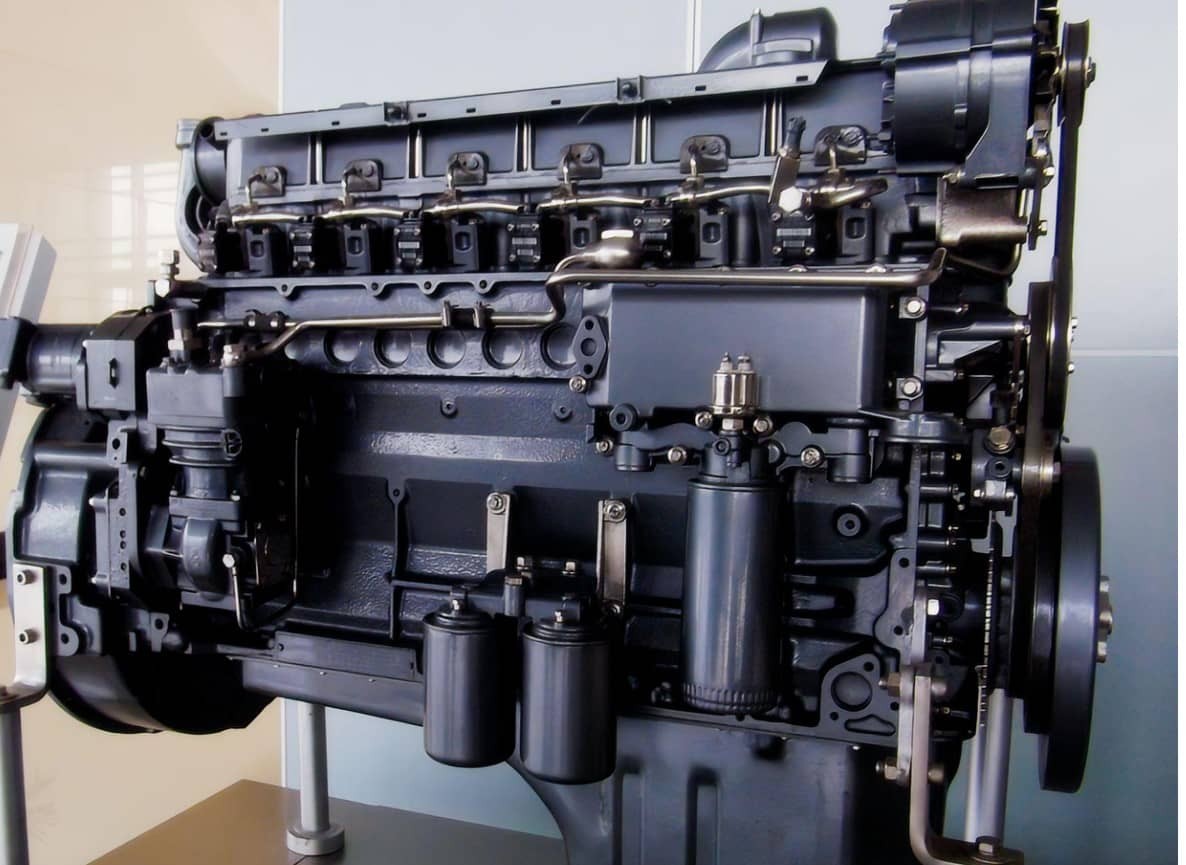
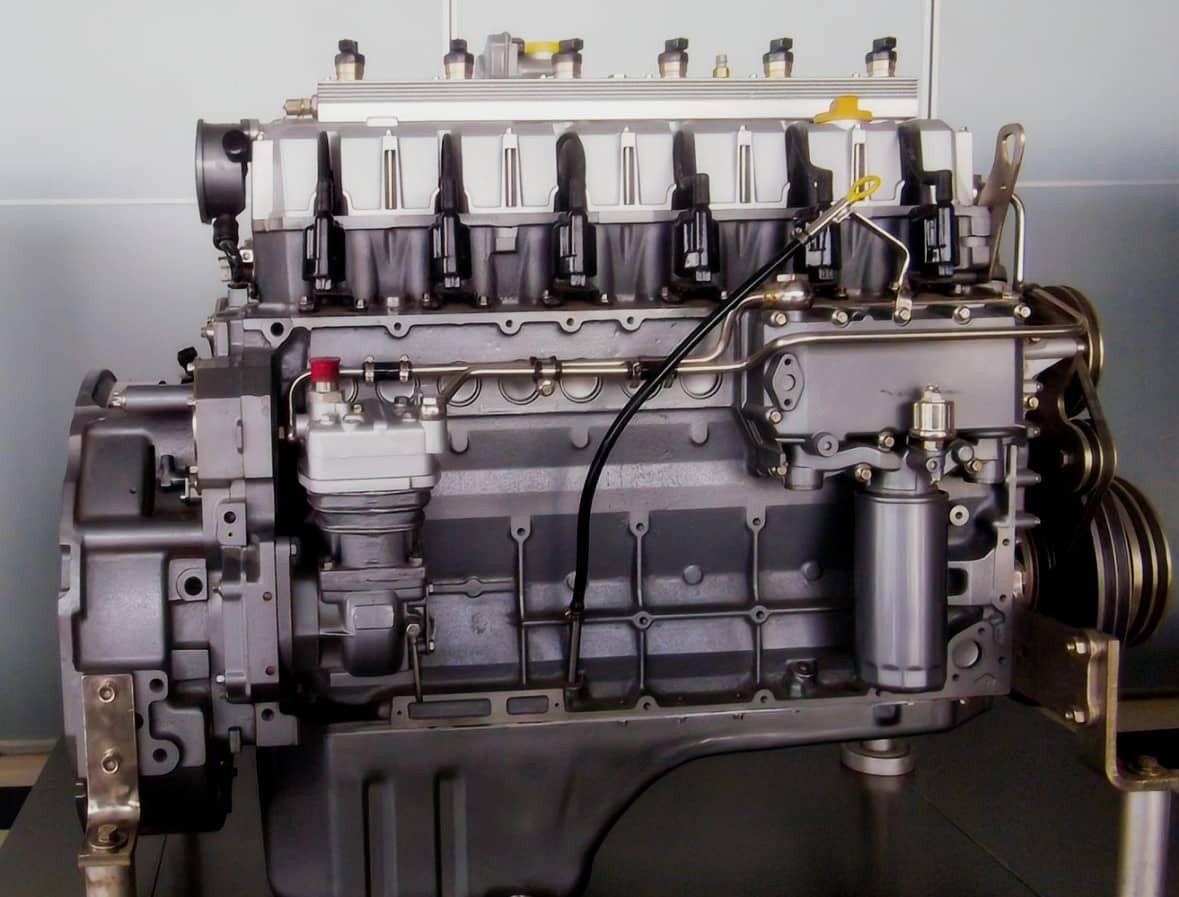
The Deutz BF6M1013-30E3 represents the highest power output configuration within the 1013 vehicle engine family. Engineered for heavy-duty transport, this 6-cylinder inline diesel engine delivers 220 kW (299 HP) at 2300 rpm, combined with a maximum torque output of 1100 Nm. Designed specifically for commercial trucks, long-distance coaches, and heavy transit buses, this liquid-cooled, 7.146-liter power plant balances robust mechanical durability with refined electronic engine management.
As a direct engine supplier and exporter, HekoPower provides brand-new Deutz BF6M1013-30E3 complete engine assemblies, short blocks, and genuine replacement components for fleet operators, vehicle manufacturers, and repair facilities worldwide.
The 220 kW power rating positions the BF6M1013-30E3 at the top of the 1013 series, making it suitable for demanding heavy-duty vehicle chassis.
For 18 to 35-ton rigid trucks and tractor units operating on regional distribution routes, torque availability at low engine speeds is critical. The BF6M1013-30E3 delivers its peak torque of 1100 Nm across a broad band in the mid-RPM range. This allows drivers to hold higher gears longer, reducing transmission shift frequency and cutting fuel consumption on highways.
In passenger transit, engine smoothness, low noise, and power reserve for auxiliary units (such as high-capacity air conditioning compressors) are paramount. The 2300 rpm rated speed provides smooth acceleration from bus stops, while the integrated engine oil cooler and gear-driven water pump ensure stable operating temperatures during prolonged idle periods in urban traffic.
Choosing the right engine model requires understanding the mechanical and operational differences between output variants within the Deutz 1013 family. A common question among fleet managers is how the BF6M1013-30E3 (220 kW / 299 HP) compares against its mid-range siblings, such as the BF6M1013-28E3 (206 kW / 280 HP) and BF6M1013-26E3 (190 kW / 258 HP).
From a structural standpoint, all three models share the same basic 7.146L displacement, 108 mm cylinder bore, and 130 mm stroke. However, the 220 kW BF6M1013-30E3 is not simply a remapped version of the lower power engines.
To handle the additional thermal stress and pressure generated by the 220 kW output, the 30E3 model utilizes a higher-capacity turbocharger matched with specific electronic control unit (ECU) fuel mapping curves. The individual unit pump plungers in the 30E3 are calibrated for higher fuel delivery rates per stroke.
When comparing the BF6M1013-30E3 (220 kW) against the 206 kW variant, the extra 14 kW of power and additional torque output provide distinct advantages in heavy-payload applications. Vehicles equipped with the 220 kW engine maintain target highway speeds more effectively on long gradients, reducing engine lugging.
However, if your chassis operates under lighter gross vehicle weight (GVW) limits or in flatter terrain, opting for a lower power variant like the 206 kW model can offer slightly improved fuel economy at part-load operations. For heavy transport and high auxiliary load requirements, the 220 kW engine remains the standard choice.
Replacing or maintaining a 7.15L commercial engine requires strict adherence to operational standards to maximize service life and prevent premature component failure.
When facing major engine failure, fleet owners must choose between rebuilding the existing unit or installing a complete replacement engine assembly.
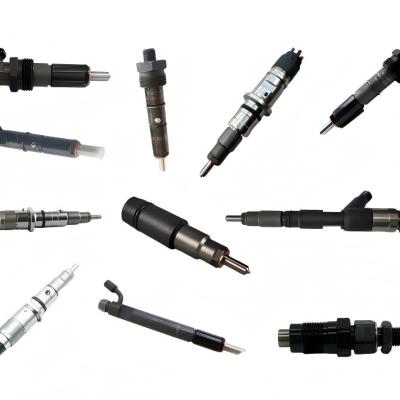
Installing a complete new or factory-tested BF6M1013-30E3 engine assembly minimizes vehicle downtime down to a single technician shift. A complete assembly includes the cylinder block, cylinder head, fuel injection pumps, turbocharger, starter motor, and alternator, eliminating assembly errors and ensuring all components match factory clearances.
If performing an in-frame rebuild, always measure cylinder liner protrusion above the deck surface before tightening the cylinder head. Incorrect liner height leads to head gasket failure under high cylinder pressures.
Fuel System Cleanliness: The unit injection pumps rely on diesel fuel for internal lubrication. Replace fuel pre-filters and water separators strictly at scheduled service intervals to prevent abrasive wear on the pump plungers.
Coolant Mixture Management: Because wet cylinder liners are exposed directly to cooling water, maintaining the correct concentration of anti-cavitation coolant additives is vital. Neglecting coolant quality causes liner pitting, leading to coolant-in-oil contamination.
Valve Clearance Adjustments: Check and adjust intake and exhaust valve clearances according to Deutz technical guidelines every 1,000 operational hours or during major routine fleet service.
While Common Rail systems offer flexible multi-injection capabilities for strict Euro IV/V/VI standards, the Electronic Unit Pump (EUP) design on the Euro III BF6M1013-30E3 is significantly more durable when working in regions with inconsistent fuel quality. It delivers excellent fuel economy without requiring delicate ultra-high-pressure fuel rails.
Although the block casting and crankshaft dimensions are consistent across the series, high-output models like the 220 kW 30E3 use specific pistons with reinforced wrist pin bosses and high-flow oil spray cooling nozzles. Replacing parts with components rated for lower-horsepower variants will lead to component fatigue under full load.
Engine fuel efficiency depends on duty cycle efficiency. Under heavy loads, a 220 kW engine operates closer to its optimal torque band without requiring gear downshifting, often resulting in lower specific fuel consumption per vehicle kilometer compared to an underpowered engine running continuously at wide-open throttle.
Selecting the right powertrain balance requires evaluating duty cycle demands across the entire engine family. While the 220 kW BF6M1013-30E3 sits at the top end of the power spectrum for heavy transport, HekoPower maintains a full inventory of configuration options across this platform to match specific vehicle chassis and industrial equipment requirements.
Deutz BFM1013-Vehicle Diesel Engine Series, original products from Dalian Deutz Engine Plant. This series mainly includes Deutz BF4M1013-16E3, Deutz BF4M1013-18E3, Deutz BF4M1013-19E3, Deutz BF6M1013-22E3, Deutz BF6M1013-24E3, Deutz BF6M1013-26E3, Deutz BF6M1013-28E3, Deutz BF6M1013-24E4, Deutz BF6M1013-26E4, Deutz BF6M1013-28E4, Deutz BF6M1013-30E3.
The dry weight of a standard Deutz BF6M1013-30E3 vehicle engine assembly is approximately 610 kg to 630 kg, depending on the attached flywheel housing (typically SAE 1 or SAE 2) and auxiliary equipment. Outer dimensions are roughly 1300 mm in length, 710 mm in width, and 980 mm in height, making it compact enough for modern commercial vehicle engine bays.
At its optimal operating speed (around 1400 to 1600 rpm), the specific fuel consumption of the BF6M1013-30E3 is approximately 198 g/kWh. Actual fuel usage varies based on vehicle load, rear axle ratio, and driver behavior.
Yes. The physical engine mounting points, flywheel housing standards, and cooling connection points remain consistent across the 1013 platform. However, when upgrading from a mechanical Euro II engine to an electronic Euro III model, you must install the engine wiring harness and ECU interface modules provided with our complete replacement engine package.
HekoPower specializes in complete commercial vehicle engine assemblies and genuine replacement parts. We perform thorough inspection and quality control checks on every unit before export, offering competitive agent wholesale pricing, fast global delivery, and full technical documentation for seamless installation.