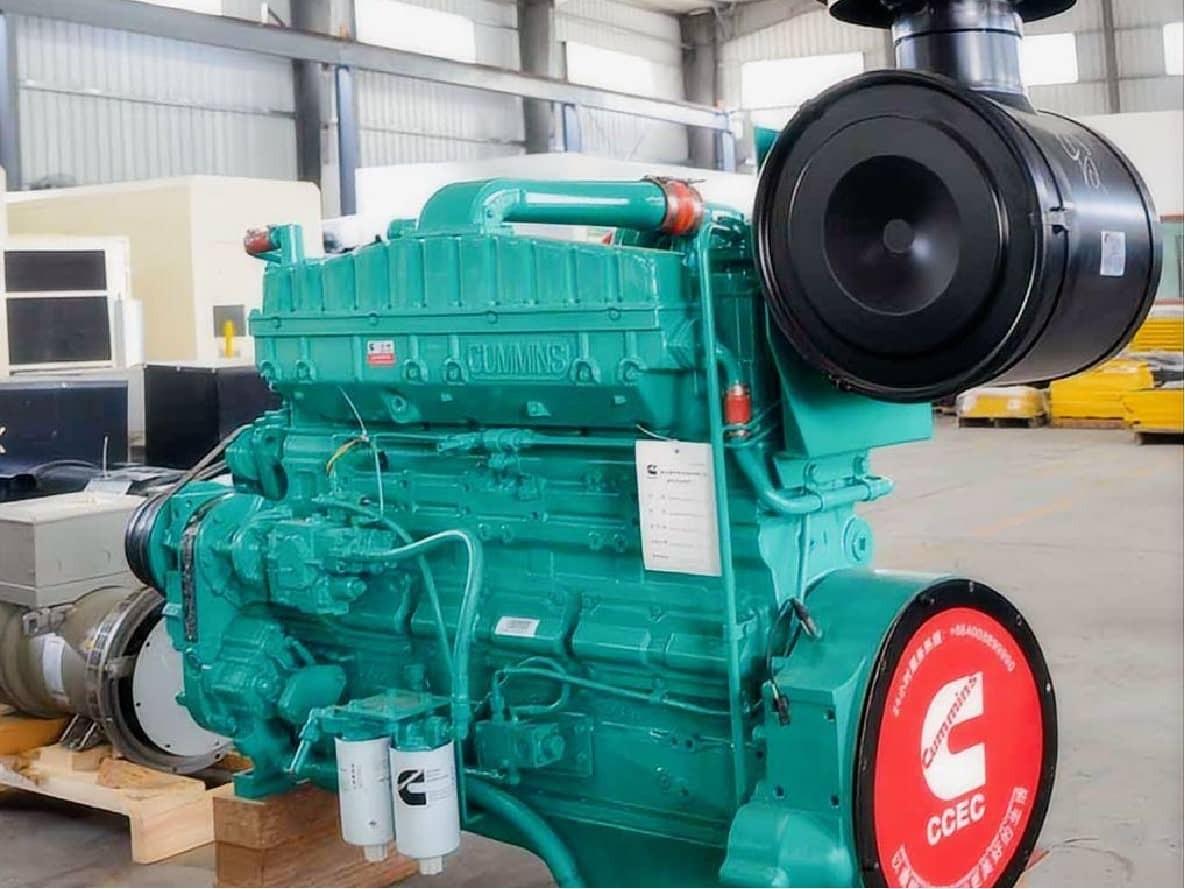
When specifying power for heavy-duty industrial applications, the CCEC Cummins NTAA855-G7A G-Drive engine stands out as a flagship choice for 50Hz power generation. As a reliable 6 cylinder diesel engine, this 14L powerhouse delivers a robust 407kW (545HP) standby power output at a steady 1500 RPM. Engineered specifically by the Chongqing Cummins Engine Company (CCEC), it is designed to operate seamlessly as a complete generator engine for continuous, prime, or standby power applications.
As a dedicated Cummins NTAA855-G7A engine supplier, HekoPower provides this complete engine assembly to global clients who require uncompromised durability. Whether you are packaging a new 400kVA generator engine setup or sourcing a direct replacement for an aging power plant, the NTAA855-G7A offers the ideal balance of mechanical simplicity and heavy-duty load acceptance.
Engineers and procurement managers frequently seek out the Cummins NTAA855-G7A generator engine for specific power brackets. This model is precision-engineered to act as the primary engine power pack for 400kVA generator engines. In standby configurations, it can confidently drive 450kVA generator engines.
This specific Cummins 1500 RPM generator engine is perfectly optimized for 50Hz generator sets. We frequently supply the NTAA855-G7A G-Drive engine for generator set applications in telecom backup stations, heavy mining camps, and hospital emergency power systems. Proper NTAA855-G7A engine alternator matching is straightforward due to its standardized SAE flywheel housing, allowing it to couple seamlessly with major alternator brands like Stamford, Leroy Somer, and Mecc Alte.
When sourcing a Cummins 14L generator engine, buyers often encounter confusing nomenclature. Understanding the subtle differences within the N855 family is critical for making an accurate purchasing decision.
The most frequent point of confusion is the difference between the G7 and the G7A models. The primary distinction lies in the power output. The 407kW NTAA855-G7A offers significantly more power than the 343kW NTAA855-G7. While both share the same 14L block, the NTAA855-G7A 407kW engine features aggressive fuel calibration and optimized turbocharger specifications to reach 545HP. If your project specifically calls for a 400kVA prime rating, the standard G7 will fall short; you absolutely need the NTAA855-G7A 545HP 14L generator engine.
Another frequent comparison is the NTAA855-G7A vs NTA855-G4 or the older NTA855-G2A. The older G2A and G4 models utilize standard jacket-water aftercooling (NTA). The NTAA855-G7A utilizes an air-to-air aftercooler (NTAA). This air-to-air charge cooling drastically reduces the intake manifold temperature. The result is denser air entering the combustion chamber, which is exactly how the G7A achieves its high 407kW rating without increasing the physical displacement of the engine block.
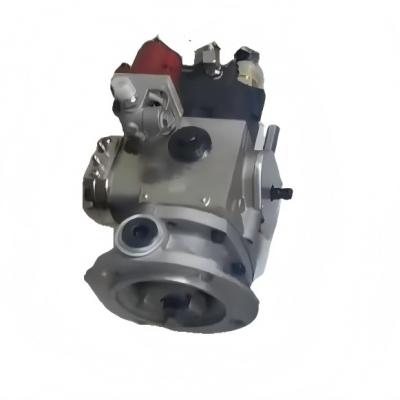
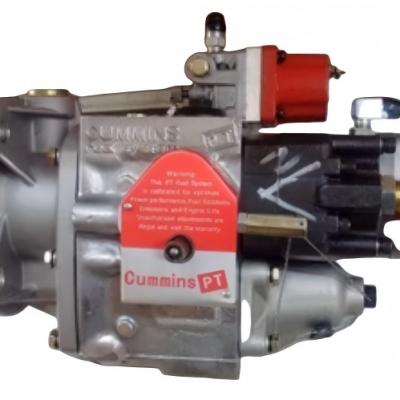
A major misconception in the generator market is that mechanical engines are outdated. Some buyers hesitate when they see the NTAA855-G7A PT pump specification, assuming they need a high-pressure common rail system. In reality, for remote mining sites or developing infrastructure where fuel quality fluctuates, the NTAA855-G7A PT fuel pump engine is heavily preferred. The Cummins PT (Pressure-Time) fuel system is incredibly resilient to minor fuel impurities and is much easier to service in the field without complex computer diagnostic tools.
Understanding the Cummins NTAA855-G7A fuel consumption curve is vital for calculating total cost of ownership. Because this is an air-to-air aftercooled engine, thermal efficiency is highly optimized.
The NTAA855-G7A fuel consumption at full load remains highly competitive for its power class. The mechanical governor and PT fuel pump work in tandem to inject the precise amount of fuel required based on the load demand. When operating at 1500 RPM, the fuel curve remains relatively flat between 75 percent and 100 percent load. This means that even during peak power spikes, the engine does not guzzle fuel unnecessarily. HekoPower can provide detailed fuel consumption data sheets to assist engineers with long-term operational budgeting.
Maintaining a CCEC NTAA855-G7A 1500 RPM G-Drive engine requires adherence to a strict schedule, but the mechanical nature of the engine makes the actual labor straightforward.
A proper Cummins NTAA855-G7A maintenance schedule revolves around clean air and clean fuel. Engine oil and filters should typically be replaced every 250 operational hours. However, if the NTAA855-G7A complete generator engine is operating in heavily dusted environments like a quarry, the air filter elements must be inspected daily. We strongly advise using only genuine NTAA855-G7A maintenance parts to ensure the air-to-air aftercooler does not become clogged, which would instantly degrade engine power and increase exhaust temperatures.
The PT Fuel Pump for NTAA855-G7A engine units is renowned for longevity, but it does require periodic calibration. Operators should have the pump pressure checked by a certified technician during major overhaul intervals. Similarly, the NTAA855-G7A turbocharger specification dictates that operators should let the engine idle for three to five minutes before complete shutdown. This allows the oil to cool the turbocharger bearings, preventing premature wear and reducing the immediate need for NTAA855-G7A overhaul parts.
If you are procuring an NTAA855-G7A complete engine assembly to replace a failed unit, verifying NTAA855-G7A engine replacement compatibility is your first step. Buyers must carefully review the NTAA855-G7A engine dimensions and weight to ensure the existing generator canopy can accommodate it. The NTAA855-G7A engine installation dimensions are standard for the 14L family, but verifying the NTAA855-G7A flywheel housing size with your existing alternator coupling will prevent frustrating delays during installation.
As a leading wholesale CCEC Cummins NTAA855-G7A supplier in China, HekoPower understands that power requirements scale depending on the project. While the G7A is an exceptional 407kW unit, your fleet may require a variety of power nodes within the same proven 14-liter engine architecture. Keeping your fleet within the same engine family dramatically simplifies your inventory of NTAA855-G7A spare parts and maintenance tooling.
Cummins N855-G Series, original products from Chongqing Cummins Engine Plant(CCEC). This series mainly includes NT855-G, NT855-GA, NT855-G1, NT855-G1A, NT855-G1B, NTA855-G2, NTA855-G2A, NTA855-G3, NTA855-G4, NTA855-G7, NTA855-G7A.
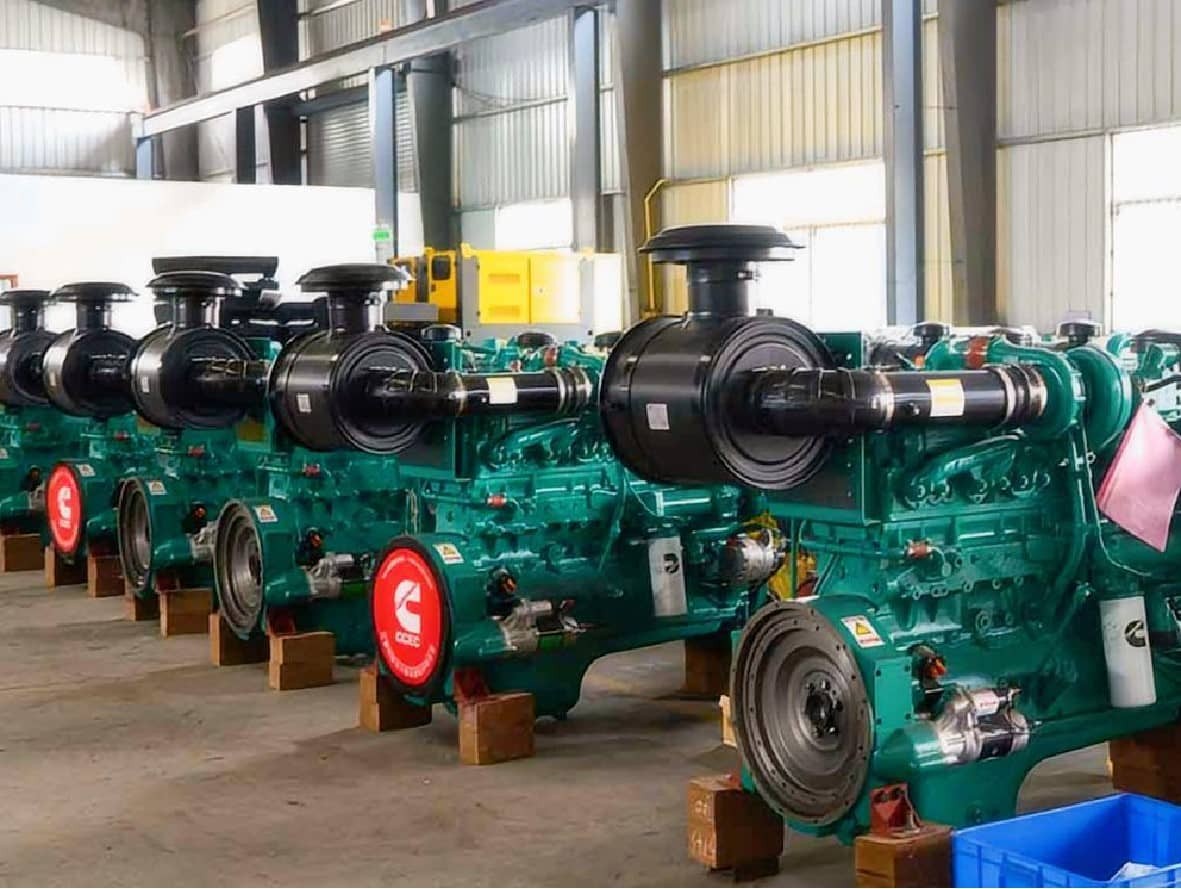
Yes, HekoPower is an authorized engine exporter and supplier. We source original Cummins NTAA855-G7A engine assemblies directly from the Chongqing Cummins Engine Company (CCEC) facility, ensuring our clients receive authentic products with full factory warranties.
The CCEC factory builds and calibrates the NTAA855-G7A specifically for 1500RPM operations to support 50Hz generator configurations. Running this exact model at 1800RPM causes fuel delivery imbalances and exceeds the safe limits of the integrated cooling fan assembly. For 60Hz requirements, request the matching 1800RPM variant from our team.
Yes. Every single engine shipped by HekoPower includes the original CCEC factory certificate, an inspection report detailing test-bench performance parameters, and an official international warranty registration code.
Lead times can fluctuate based on global supply chains and factory production schedules. However, because HekoPower maintains strong relationships with the factory and often stocks standard configurations, our NTAA855-G7A engine lead time is typically between 15 to 30 business days. We always recommend contacting our sales team for the most current delivery estimates.
The NTAA855-G7A 407kW 1500RPM generator engine is specifically calibrated for 50Hz applications. Running it at 1800 RPM for 60Hz power generation alters the performance curve and fuel efficiency. If you require a 60Hz solution, please contact us so we can recommend the appropriate Cummins 14L generator engine comparison and select the correct governor and fuel calibration for your specific electrical grid requirements.