Details
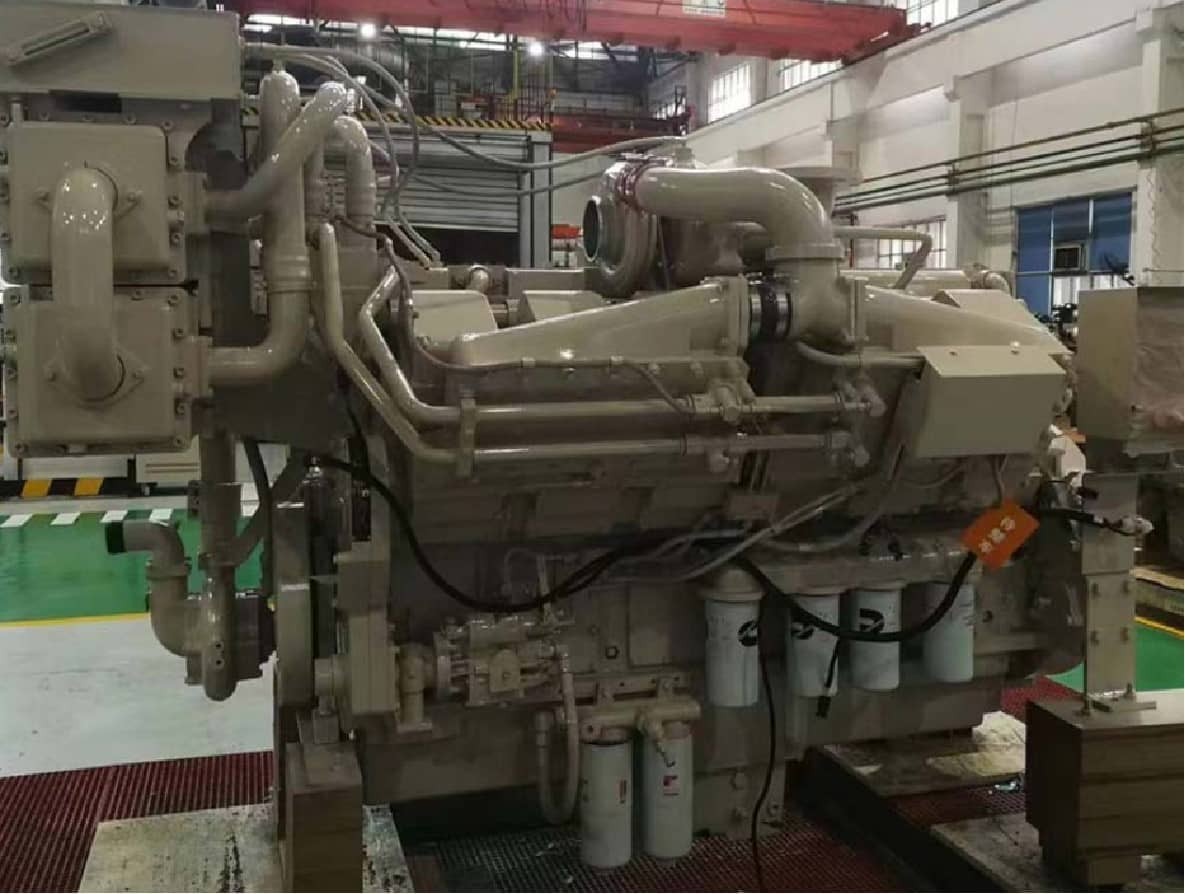
CCEC Cummins KTA38-M2 1300HP Marine Propulsion Engine
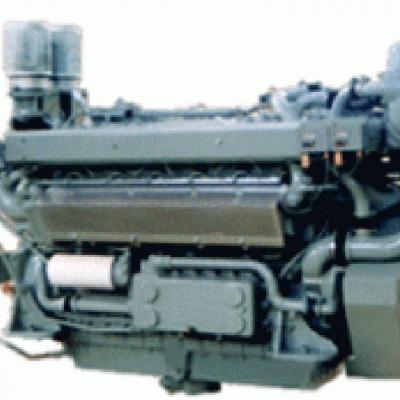
Selecting a V12 KTA38-M2 main engine requires balancing continuous raw power with absolute reliability at sea. The Cummins KTA38-M2 1300HP marine diesel engine is engineered specifically for heavy-duty commercial maritime applications. Delivering 969kW at 1800 RPM, this engine provides the immense low-end torque required to move heavy displacement hulls through harsh ocean environments.
As a genuine CCEC Cummins KTA38-M2 supplier, HekoPower provides this 38L V12 marine power pack to shipyards and vessel operators worldwide. Built with a 159 × 159 mm bore and stroke and a 13.9 compression ratio, the engine guarantees consistent thermal efficiency. It utilizes a robust mechanical governor and the legendary Cummins PT fuel system. This ensures the engine remains highly responsive to sudden load changes while remaining simple to service in remote anchorages.
Tech Specs of Cummins KTA38-M2 1300HP
General Engine Data
Engine Model: Cummins KTA38-M2 (1300 HP)
Type: 12 Cylinders, V Type, 4 strokes
Displacement: 38 L
Bore * Stroke: 159 * 159
Net Weight (with flywheel & alternator): 4358 Kg
Overall Dimension: 2152mm*1462mm*2083mm
Key Performance Data
Rated Power: 969 kW/1300HP
Rated Speed: 1800 rpm
Low Idle Speed: 625-675 rpm
High Idle Speed: 1815-2016 rpm
Rating Type: Heavy Duty
Fuel Consumption (Running Speed): 239.2 L/hr
More Technical Data
Certification: CCS/IMO Certificates
Governor Type: Mechanical Control
Aspiration: Turbocharged/Aftercooled
Compression Radio: 13.9:1
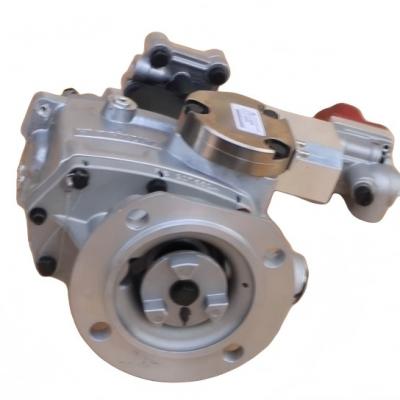
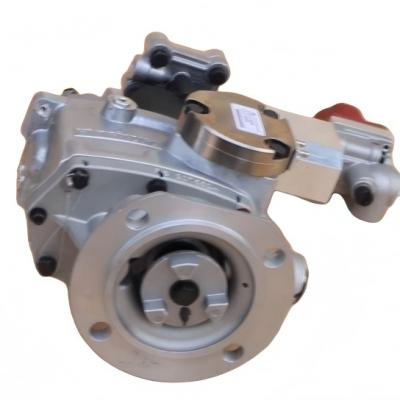
Fuel System: Cummins Pressure Time (PT Pump)
Starting System: Electrical Start (24V)
Lowest Starting Temp Without auxiliary system: -12℃
Cooling Method: Sea water pump, Heat exchanger, Water cooled
Real Application Scenarios for the 1300HP Marine Diesel
Engine displacement alone does not dictate performance. The way this 969kW heavy-duty marine diesel engine delivers torque makes it ideally suited for specific commercial vessel classifications.
1300HP Cummins Marine Engine for Tugboats
Harbor tugs and towing vessels demand aggressive bollard pull capabilities. When a KTA38-M2 engine for a harbor tug is engaged, the turbocharged aftercooled engine design forces dense, cold air into the cylinders. This translates to instant throttle response when the captain needs to push or pull a massive cargo barge against a strong outgoing tide. The 1300HP rating provides that crucial extra margin of thrust during emergency maneuvering.
CCEC KTA38-M2 Propulsion for Cargo Ships
Ocean-going cargo vessels and coastal freighters require continuous duty engines capable of running weeks at a time without shutting down. The KTA38-M2 continuous duty engine operates reliably at a constant RPM, ensuring the vessel maintains its cruising speed regardless of weather conditions. The integrated heat exchanger cooling system efficiently manages engine temperatures, making it a highly dependable 1300HP Cummins commercial vessel engine for long-haul routes.
Workboat, Dredger, and Fishing Vessel Reliability
Dredgers and heavy workboats operate in environments where engine loads spike violently as equipment digs into the seabed. A 969kW Cummins marine engine for a dredger handles these massive hydraulic and propulsive loads without stalling. Similarly, the KTA38-M2 marine engine for fishing vessels provides trawlers with the fuel-efficient endurance necessary to stay at sea for extended catch seasons, maximizing profitability for the crew.
Technical Comparisons: Selecting the Right KTA38 Model
Understanding the precise power selection of the Cummins KTA38-M2 engine is critical. Buyers frequently ask our engineers which Cummins KTA38 marine engine to choose for their specific vessel.
KTA38-M2 1300HP vs KTA38-M2 1200HP and 1050HP
The difference between the 1300HP and the lower 1200HP or 1050HP ratings lies primarily in the fuel pump calibration and turbocharger boost matching. The 1300HP marine propulsion engine utilizes a slightly higher fuel delivery rate through the PT fuel pump to achieve 969kW. While the 1050HP model is often chosen for ultra-conservative fuel consumption in smaller displacement hulls, the 1300HP variant is necessary when a vessel requires maximum continuous towing power without upgrading to the much larger and heavier KTA50 series.
KTA38-M2 1300HP vs KTA38-M1
Vessel owners often look to upgrade their older KTA38-M1 engines. The newer KTA38-M2 turbocharged aftercooled engine features a vastly improved cooling configuration and optimized cylinder heads. The M2 series delivers better fuel consumption at 1800 RPM and significantly lower exhaust emissions, ensuring compliance with modern maritime regulations while delivering the same 1300HP footprint.
1300HP vs 1350HP Marine Engine Considerations
When comparing the 1300HP against the 1350HP marine engine, the decision comes down to duty cycle. The 1300HP engine is strictly rated for heavy continuous duty, meaning it can operate at maximum power for an unlimited number of hours per year. The 1350HP or higher ratings within this block are sometimes classified for intermittent duty. For commercial towing or cargo, the true continuous rating of the 1300HP model is the safer, more durable investment.
Avoiding Common Misconceptions in Engine Selection
Marine engineering involves complex variables, and misconceptions can lead to costly shipyard mistakes. One major misconception is that electronic engines are always superior. While common rail systems are modern, the KTA38-M2 PT fuel pump is entirely mechanical. This is a massive advantage at sea. If a vessel takes on contaminated fuel, a mechanical system can often be cleaned and repaired by the crew, whereas an electronic injector failure usually requires a technician with a laptop to clear the ECU codes.
Another misconception involves KTA38-M2 gearbox matching. Buyers sometimes assume they can pair a 1300HP engine with a gearbox originally meant for a 1000HP engine. The immense torque curve of the 1300HP model will rapidly destroy an undersized marine transmission. Proper KTA38-M2 shaft and propeller matching is required to ensure the engine reaches 1800 RPM smoothly without overloading the drivetrain or causing heavy cavitation at the prop.
Essential Maintenance and Replacement Tips
Protecting your marine power pack requires strict adherence to the KTA38-M2 1300HP maintenance schedule. Routine servicing prevents catastrophic failures while the vessel is underway.
PT Fuel Pump and Injector Maintenance
The mechanical nature of this engine means fuel delivery relies on precise physical tolerances. KTA38-M2 injector maintenance should be performed strictly according to the service manual, generally checking spray patterns and calibrating the PT fuel pump every few thousand hours. Operating with worn injectors will increase your KTA38-M2 fuel consumption and wash lubrication oil off the cylinder walls, leading to premature wear.
Cooling System and Turbocharger Care
The KTA38-M2 heat exchanger system and seawater cooling system are the lifeblood of the engine. KTA38-M2 seawater pump maintenance involves regular inspection of the raw water impeller. If operating in shallow or sandy water, dredgers and harbor tugs should inspect the heat exchanger tube bundles frequently. KTA38-M2 turbocharger maintenance requires checking the compressor wheel for salt buildup and ensuring the oil feed lines remain clear to prevent bearing failure at high speeds.
Planning for a Marine Engine Overhaul
Eventually, every hard-working commercial engine requires rebuilding. When planning a KTA38-M2 marine engine overhaul, it is crucial to source genuine KTA38 engine overhaul parts. Replacing cylinder liners, piston rings, and main bearings with OEM CCEC components ensures the engine restores its original compression ratio of 13.9:1 and returns to its factory performance curve.
Exploring Our Complete Marine Portfolio
At HekoPower, we understand that outfitting a commercial fleet often requires a variety of propulsion solutions. While the KTA38-M2 1300HP is a premier choice for heavy vessels, we supply a wide range of power configurations to perfectly match your naval architect's specifications.
Cummins K38-M Series (K38 Marine Engine), marine propulsion engines for commercial and recreational applications, original products from Chongqing Cummins Engine Plant(CCEC). This series mainly includes KT38-M600, KT38-M780, KT38-M800, KT38-M850, KT38-M900, KTA38-M1 (1000 HP), KTA38-M1 (1100 HP), KTA38-M2 (545 HP), KTA38-M2 (1050 HP), KTA38-M2 (1200 HP), KTA38-M2 (1300 HP), KTA38-M2 (1350 HP). All engines complete with sea water pump, heat exchanger, CCS/IMO certificates.
Frequently Asked Questions
What is the KTA38-M2 fuel consumption at 1800 RPM?
Fuel consumption is directly tied to the vessel's load and propeller pitch. On the official KTA38-M2 performance curve, the engine is optimized to deliver highly efficient brake-specific fuel consumption (BSFC) at its rated 1800 RPM. For exact figures based on your vessel's displacement, our team can provide the official KTA38-M2 performance curve PDF upon request.
Is the Cummins KTA38-M2 IMO certified for international waters?
Yes, environmental compliance is a priority. The KTA38-M2 1300HP IMO Tier II engine complies with MARPOL Annex VI regulations for nitrogen oxide emissions. Furthermore, HekoPower can supply this engine with a KTA38-M2 CCS certificate or other recognized marine engine certifications required by your local maritime authority.
How do I get a KTA38-M2 1300HP wholesale price quotation?
As a primary Cummins KTA38-M2 1300HP exporter and China supplier, HekoPower offers competitive pricing for shipyards and fleet operators. The KTA38-M2 1300HP engine price varies depending on the required marine certifications, instrument panels, and whether you are purchasing a bare engine or a complete marine power pack.
What are the KTA38-M2 1300HP installation dimensions and weight?
Engine room installation requires careful structural planning. The KTA38-M2 1300HP engine weight is substantial due to its cast-iron V12 block and heavy-duty 24V electric start components. Detailed KTA38-M2 1300HP engine dimensions and structural mounting requirements can be provided to your naval architect to ensure safe engine bed construction and vibration isolation.