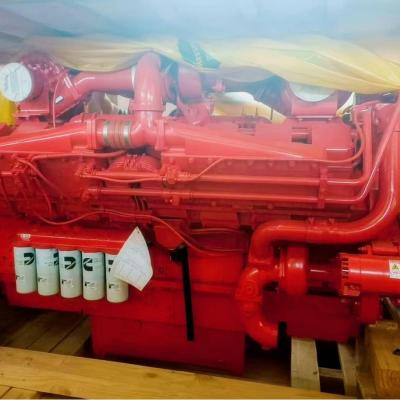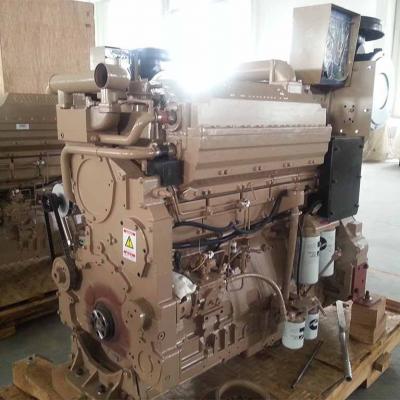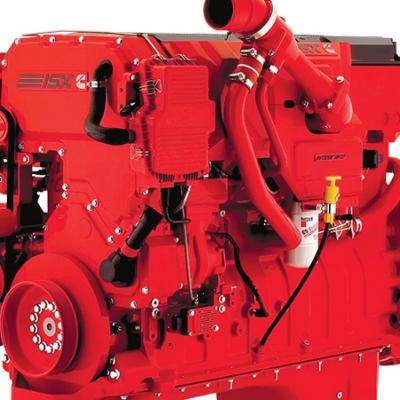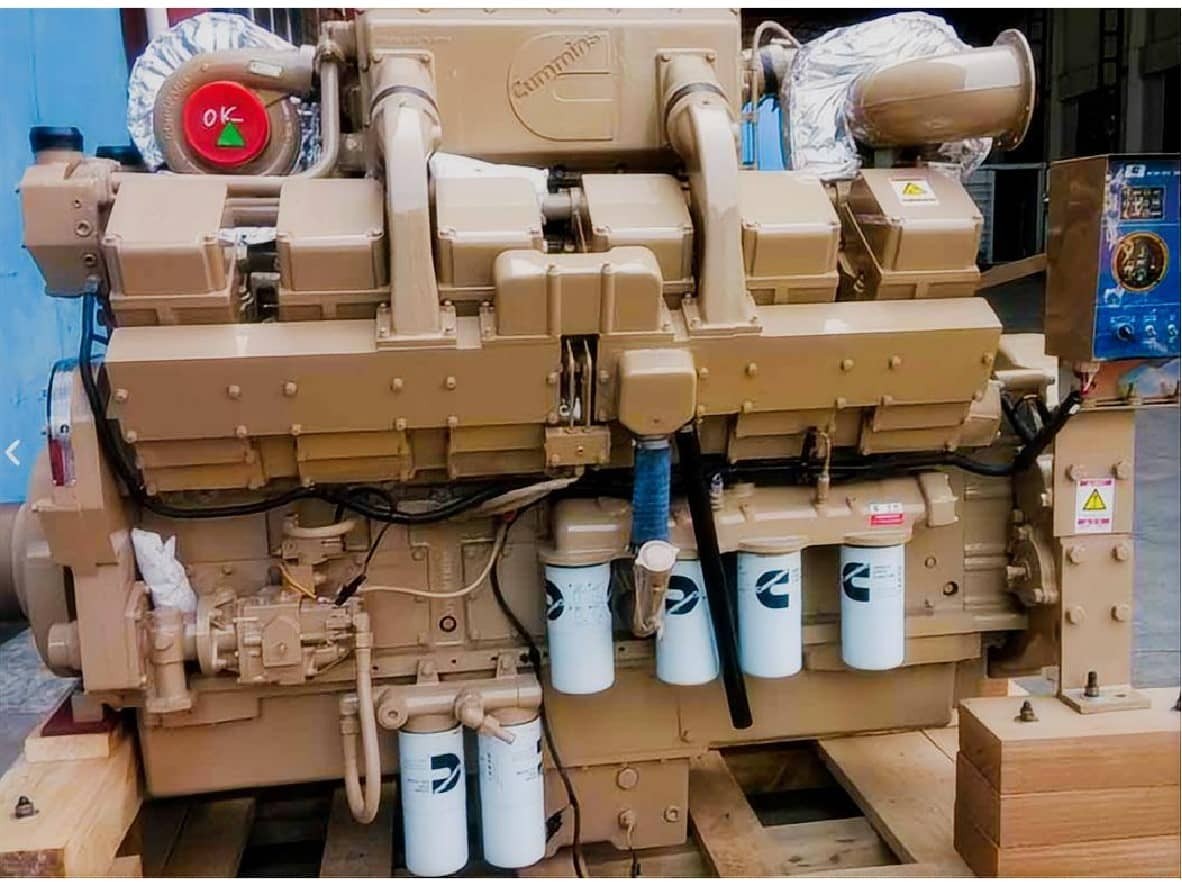
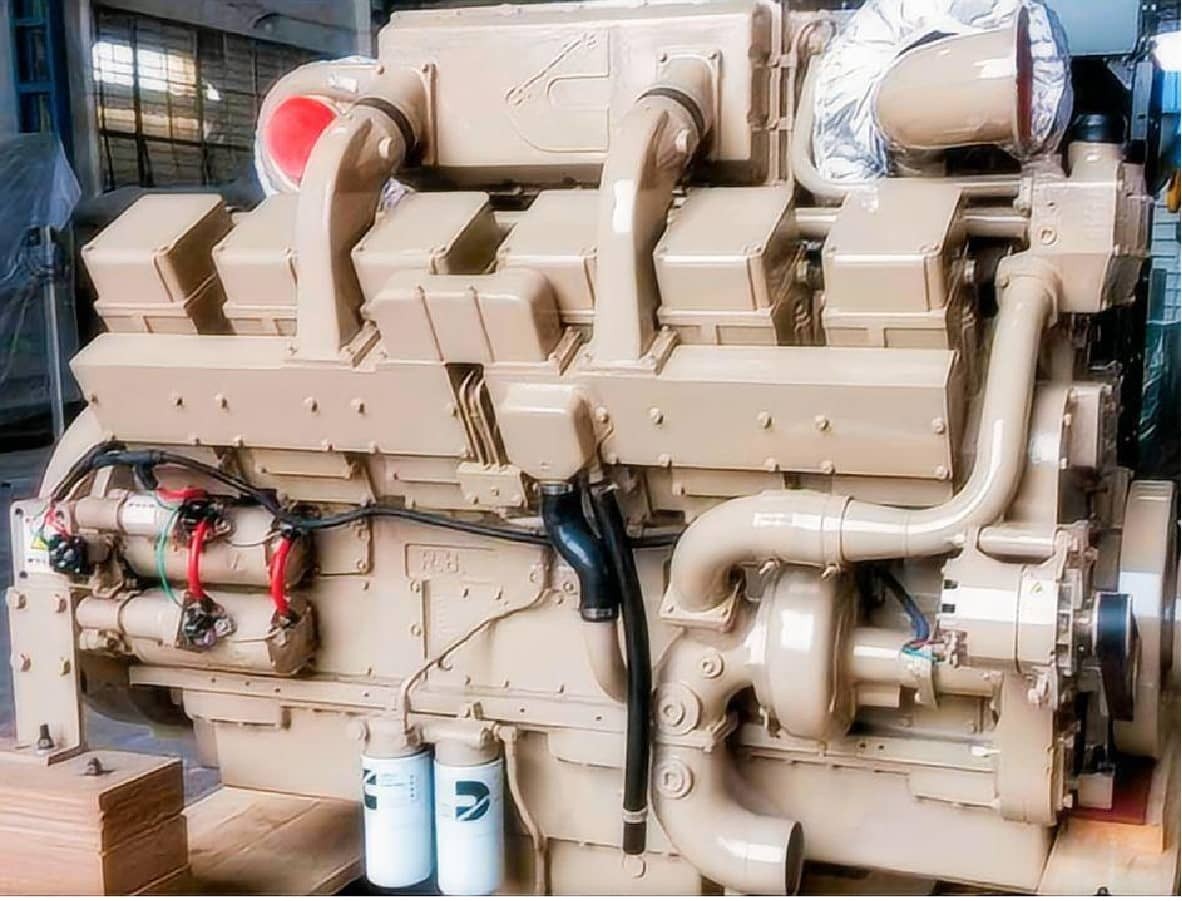
Operating commercial marine vessels requires a dependable, heavy-duty prime power source capable of continuous, demanding duty cycles at sea. The CCEC Cummins KTA38-DM809 stands out as a premier 38-liter V12 diesel engine engineered specifically to drive shipboard auxiliary generator sets and heavy electrical loads. As an experienced Cummins KTA38-DM809 engine supplier, HekoPower delivers this complete diesel engine assembly with verified factory configurations, ensuring your vessel meets strict operational requirements without compromise.
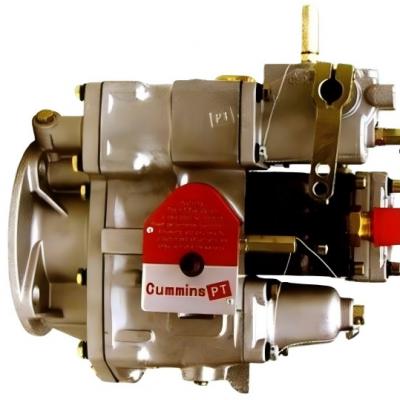
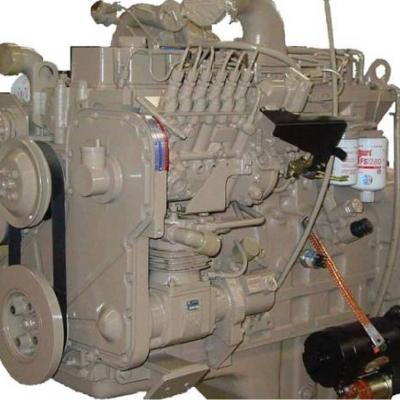
At the heart of its performance is a robust engineering design. Operating at a rated speed of 1800 RPM, the KTA38-DM809 809 kW prime power output delivers exceptional reliability, while its 895 kW overload power performance curve provides necessary headroom during sudden electrical surges. Designed around the proven D233037MX02 configuration and the CQ607 CPL code, this unit incorporates a high-efficiency PT fuel system and a water-aftercooled architecture that optimizes thermal management even in confined engine rooms.
Choosing the correct marine auxiliary power unit requires understanding subtle performance differences within the K38 family. When evaluating the difference between Cummins KTA38-DM809 and DM768, the primary distinction lies in calibration, fuel delivery tuning, and power output ratings. While the DM768 is tuned for lower continuous outputs, the DM809 is optimized to output 1085 horsepower at 1800 RPM for 60Hz marine generator applications.
Similarly, when comparing the Cummins KTA38-DM809 vs KTA38-DM14 or higher variants, operators often mistake higher horsepower ratings for universal compatibility. In reality, pushing a generator drive engine beyond its certified CPL rating without adjusting cooling capacity and alternator sizing leads to premature thermal fatigue. The KTA38-DM809 1800 RPM marine generator drive engine strikes an optimal balance between high displacement output and fuel efficiency, making it a preferred choice over lower-rated configurations for cargo vessels requiring heavy simultaneous auxiliary loads.
The utility of a heavy-duty marine diesel engine is defined by its performance in the field. The CCEC KTA38-DM809 diesel engine for ship auxiliary generator duty is widely utilized across commercial fleets, powering large container ships, bulk carriers, and offshore support vessels. Because modern marine operations demand steady electrical frequencies, the Cummins KTA38-DM809 for commercial vessel auxiliary power ensures stable voltage regulation and minimal frequency droop under heavy block-load acceptance.
For instance, aboard an offshore support vessel auxiliary diesel engine setup, the unit drives large-capacity alternators that feed dynamic positioning systems, bow thrusters, and onboard hotel loads simultaneously. Because it complies with CCEC KTA38-DM809 IMO Tier II engine standards, shipowners can operate globally while maintaining regulatory compliance. Furthermore, the robust construction of this 38-liter V12 Cummins marine auxiliary engine specifications profile ensures that vibration dampening and structural rigidity are maintained across thousands of operational hours.
Protecting your investment in a KTA38-DM809 replacement engine assembly requires strict adherence to scheduled maintenance intervals and verification protocols. One common misconception among vessel operators is that engine nameplates tell the whole story; however, verifying a CCEC KTA38-DM809 engine nameplate must always be cross-referenced with the stamped CPL code (CQ607) and fuel pump calibration data to ensure compatibility during a repowering project.
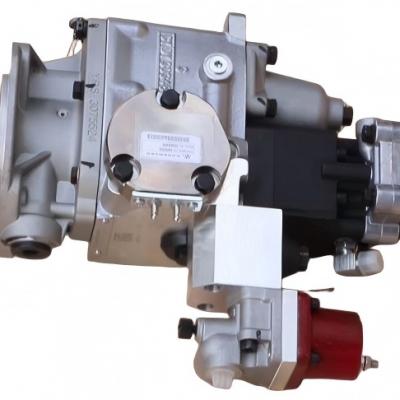
When planning maintenance for the PT fuel system and turbocharged aftercooled specifications, operators must regularly inspect fuel injector calibration and clean the water-air intercooler cores to prevent boost pressure drops. If you are sourcing a KTA38-DM809 engine dimensions weight and mounting requirements profile for an upcoming shipyard overhaul, always account for the 38-liter displacement footprint, ensuring your foundation rails and alignment clearances match factory blueprints precisely. Sourcing KTA38-DM809 spare parts and service support from a verified exporter guarantees that internal components—such as liners, pistons, and bearings—maintain exact metallurgical tolerances.
As you evaluate your power requirements, it is worth noting that this specialized unit is part of a broader family of dependable power solutions. To explore related configurations, This series mainly includes KT38-DM560, KT38-DM679, KTA38-DM664, KTA38-DM768, KTA38-DM809, KTA38-DM814, KTA38-DM880, KTA38-DM1007. All engines complete with sea water pump, heat exchanger, CCS/IMO certificates.
The KTA38-DM809 prime power 809 kW fuel consumption data reflects its higher 1085 HP output at 1800 RPM. While absolute fuel burn is higher proportionally than lower-rated sibling models, its specific fuel consumption (g/kW-h) remains highly optimized under 75% to 100% prime operating loads.
The DM809 designation specifically indicates a generator drive / auxiliary power configuration. Attempting to use a generator-tuned engine for direct marine propulsion can lead to mismatched torque curves and gear ratio conflicts. For propulsion, dedicated marine propulsion variants should be selected.
When you request a quotation for KTA38-DM809 complete engine assembly through HekoPower, our engineering team verifies your vessel's electrical specifications, emission requirements, and destination port. Typical factory KTA38-DM809 marine engine lead time ranges between 15 to 30 business days for standard configurations accompanied by full factory test reports and marine classification documentation.