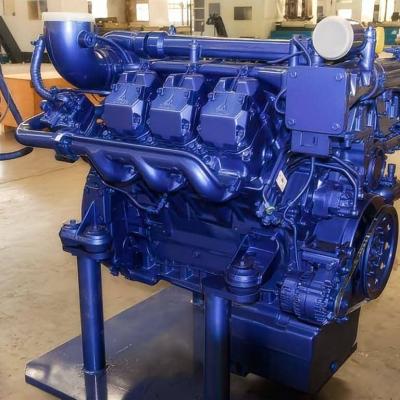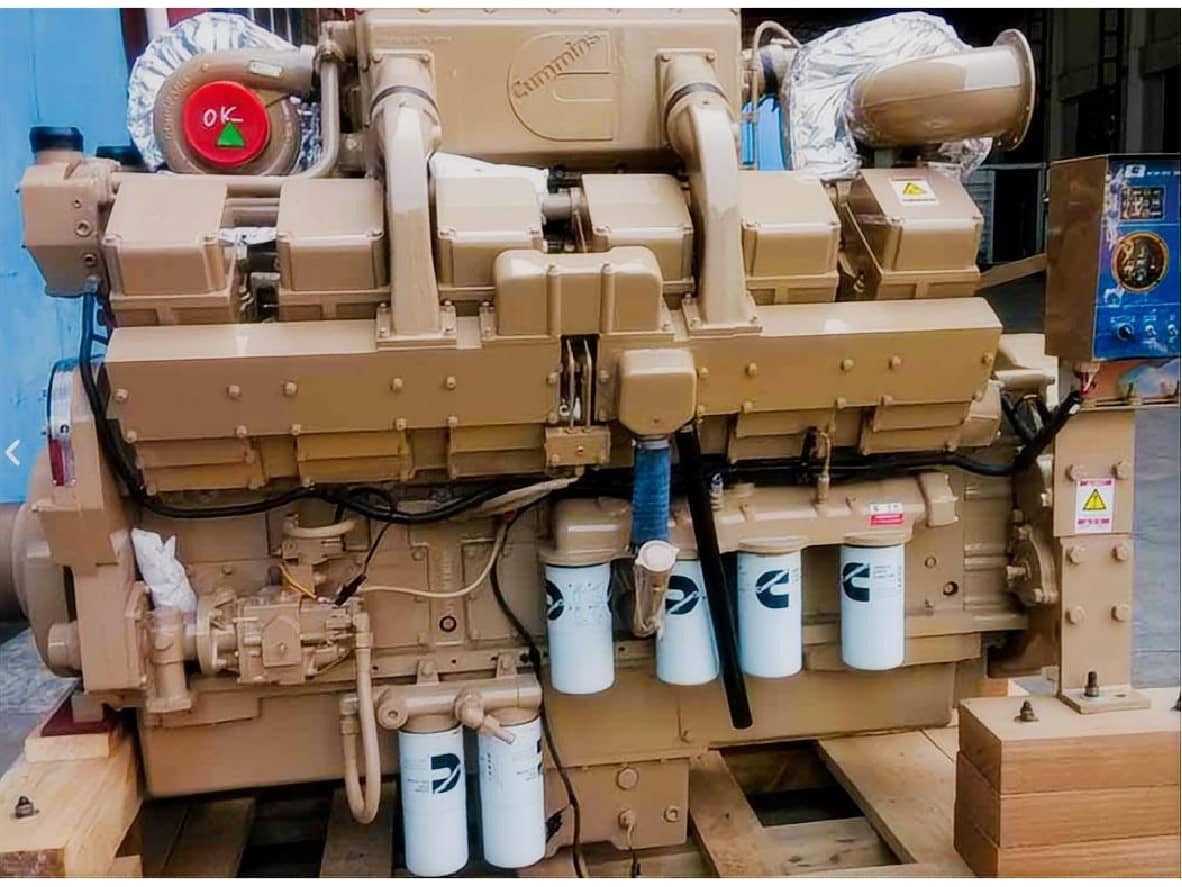
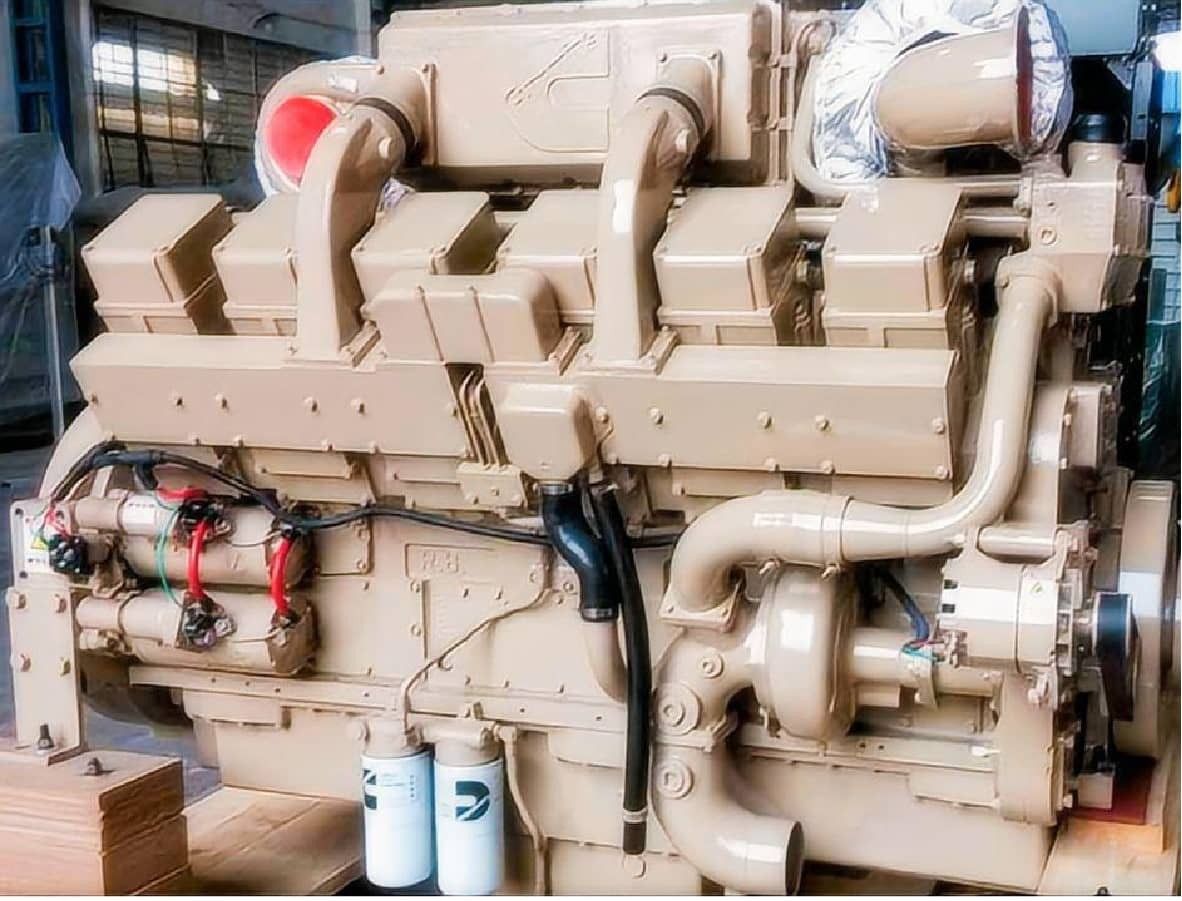
The propulsion and auxiliary electrical demands of modern commercial ships require robust, high-displacement powerplants capable of delivering uninterrupted performance under severe marine environments. As an established commercial engine supplier, HekoPower provides the CCEC-manufactured Cummins KT38-DM679, a specialized 38-liter V12 marine auxiliary diesel engine rated at 679 kilowatts (910 horsepower) at 1,800 RPM. Engineered specifically for continuous shipboard auxiliary power generation and heavy marine service, this model bridges the gap between massive raw output and refined fuel control. By leveraging the advanced D232018DX02 configuration and CPL CQ606 engineering standard, the KT38-DM679 delivers predictable load acceptance and thermal stability essential for commercial fleet operators worldwide.
The versatility and high power density of the Cummins KT38-DM679 make it an ideal choice across diverse maritime sectors where power failure is not an option.
In commercial cargo vessels and container ships, this engine is frequently integrated into the primary ship service generator set (SSGS). Because modern container vessels house thousands of refrigerated containers that demand constant, stable electrical power, the KT38-DM679 provides the baseline generation capacity required to prevent cargo spoilage during lengthy trans-oceanic voyages.
Beyond container ships, offshore support vessels (OSVs) and large tugboats utilize the KT38-DM679 as part of their main auxiliary power plant. These vessels operate in dynamic positioning environments or heavy towing scenarios where electrical loads fluctuate rapidly. The robust V12 block structure absorbs torsional vibrations effectively, while the marine-grade heat exchanger cooling system ensures reliable operation even when drawing high-salinity seawater in tropical operating zones. Furthermore, engineering teams frequently specify this model as an emergency backup generator engine for large floating production storage and offloading (FPSO) facilities, where strict marine classification societies mandate fail-safe electrical redundancy.
Maximizing the operational lifespan of a 38-liter marine diesel engine requires disciplined adherence to preventive maintenance protocols and strict attention to component compatibility during overhauls.
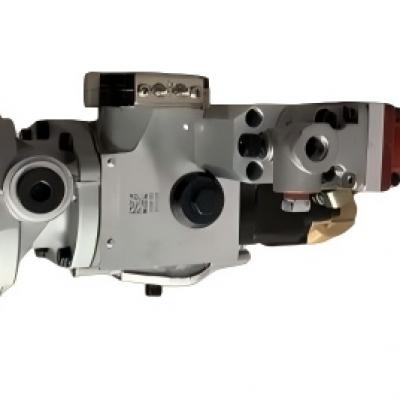
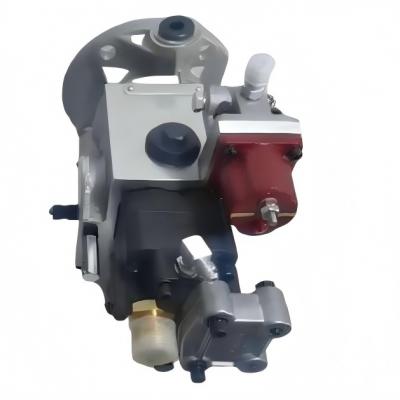
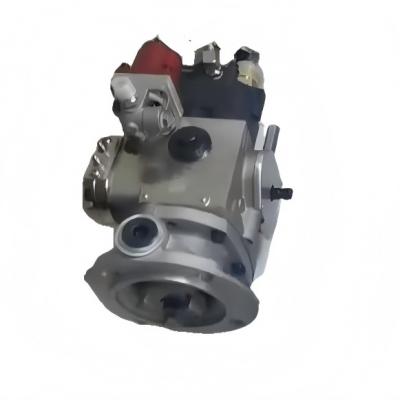
When conducting routine service on the PT fuel system, technicians must ensure that fuel pressure calibration aligns precisely with the CPL CQ606 specification. Minor deviations in rail pressure or injector flow rates can lead to unequal cylinder loading, resulting in localized thermal stress across the V12 cylinder heads. Regular sampling of engine lubricating oil is equally critical; monitoring soot accumulation, fuel dilution, and total base number (TBN) helps catch piston ring and liner wear long before it manifests as a catastrophic failure.
When executing a replacement engine project on an existing vessel, marine engineers must verify the D232018DX02 configuration parameters to ensure seamless alignment with existing resilient mountings, exhaust ducting, and raw water cooling lines. Replacing an older generation Cummins auxiliary engine with the KT38-DM679 also requires checking the flywheel housing dimensions and coupling tolerances to prevent misalignment vibration that could otherwise damage the coupled generator alternator bearings. HekoPower supplies complete engine assemblies accompanied by detailed sub-component part lists, enabling technical superintendents to cross-reference spare parts such as water pumps, turbochargers, and gasket kits by serial number with absolute confidence.
To accommodate varying vessel sizes, auxiliary loads, and naval architecture requirements, marine operators frequently look at alternative or complementary power tiers within the broader CCEC product lineup. Cummins K38-DM Series, Marine Auxilliary Diesel Engines for commercial and recreational applications, original products from Chongqing Cummins Engine Plant(CCEC). This series mainly includes KT38-DM560, KT38-DM679, KTA38-DM664, KTA38-DM768, KTA38-DM809, KTA38-DM814, KTA38-DM880, KTA38-DM1007. All engines complete with sea water pump, heat exchanger, CCS/IMO certificates.
We supply the Cummins marine engine with CCS/IMO certificates upon request, ensuring compliance with international maritime classifications for safety and emissions.
The KT38-DM679 is specifically engineered for marine auxiliary electrical generation at a constant 1,800 RPM. It features specialized marine governor tuning, continuous-duty thermal management, and a CPL configuration designed to handle sudden electrical load steps aboard commercial vessels, unlike variable-speed industrial or automotive engines.
The Cummins PT (Pressure Time) fuel system utilizes a unique mechanical metering design that controls fuel delivery based on rail pressure and engine timing rather than high-pressure metering pumps. This reduces mechanical complexity, improves reliability in harsh marine environments, and ensures precise fuel delivery across all twelve cylinders.
For marine auxiliary engines operating in continuous commercial service, the heat exchanger tubes, zinc anodes, and raw water pump impellers should be inspected every 500 operating hours. Descaling the heat exchanger cores should be scheduled annually or based on operating water temperature differentials to prevent thermal overload.