Details
Engineering Profile and Core Architecture of the B125-33
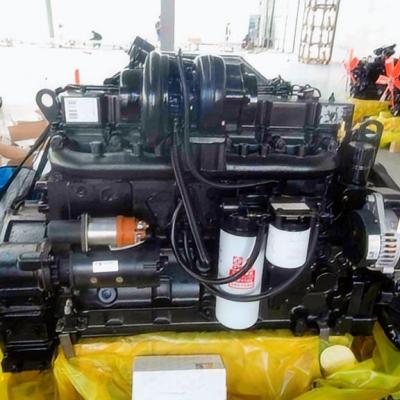
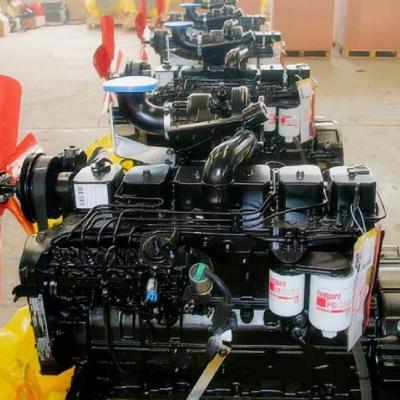
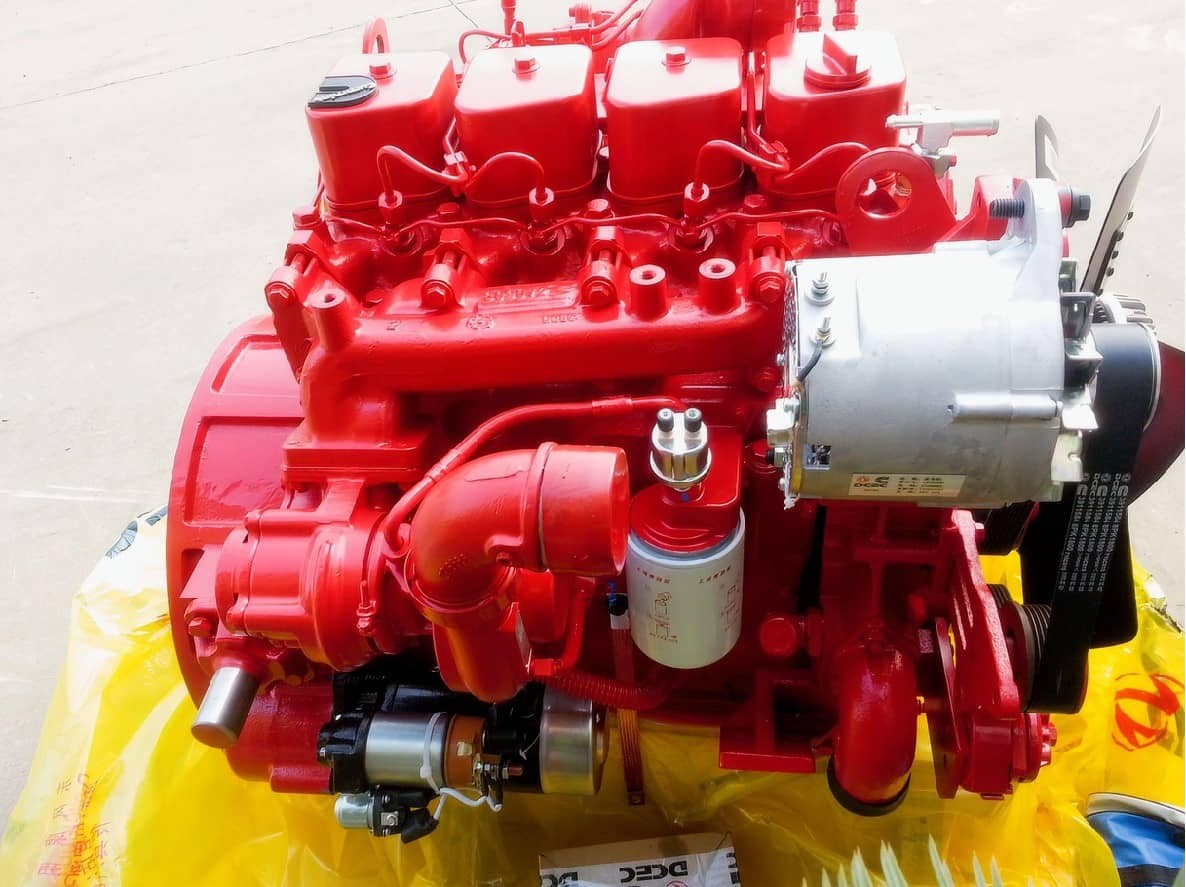
The Dongfeng Cummins B125-33 stands as a robust, mechanically governed 3.9-liter power plant engineered specifically for medium-duty commercial transport and urban logistics applications. Built on the proven four-cylinder inline architecture of the legendary 4BT family, this engine delivers 92 kilowatts (125 horsepower) at a rated speed of 2800 RPM.
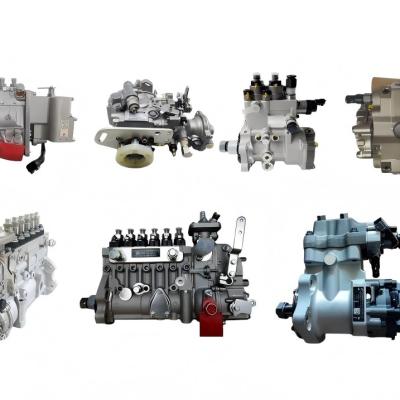
Unlike modern electronically managed common-rail systems that demand ultra-sensitive fuel filtration and diagnostic software, the B125-33 utilizes a reliable mechanical fuel injection configuration centered around the heavy-duty Wuxi Weifu fuel pump. This mechanical setup ensures high tolerance to varying diesel fuel qualities found in remote operational zones, making it an exceptional choice for cross-border transport and demanding regional fleets.
With a bore of 102 millimeters and a stroke of 120 millimeters, the engine achieves a displacement of 3.9 liters, generating a peak torque of 410 N.m at 1500 RPM. This broad torque band allows heavy commercial vehicles to pull away smoothly under full load without excessive gear shifting, reducing mechanical wear on the transmission and clutch assembly while optimizing fuel economy across stop-and-go urban routes.
Tech Specs of Cummins B125-33
General Engine Data
Engine Model: Cummins B125-33
Type: 4 Cylinders in Line
Displacement: 3.9 L
Bore * Stroke: 102 * 120
Net Weight (with flywheel & alternator): 362 Kg
Overall Dimension: 778mm*634mm*912mm
Key Performance Data
Rated Power: 92 kW/125HP
Rated Speed: 2800 rpm
Max Torque/Speed: 410 N.m @ 1500 rpm
Torque/Rated Speed: 317 N.m @ 2800 rpm
Fuel Consumption @ Rated Power: 244 g/Kw.h
Max. No-load Governed Speed: 3150 rpm
Idle-Speed: 750±100 rpm
Max Continuous Running Altitude: 3000 m
More Technical Data
Certification: Euro II
Aspiration: Turbocharged & Intercooled
Fuel System: Wuxi Weifu Pump
Compression Radio: 17.3:1
Electrical System (Starter Motor/Alternator): 12V (500A)/24V (250A)
Lowest Starting Temp Without auxiliary system: -10℃/-25℃
Cooling Method: Water cooled
Engine Cooling Fluid Volume: 7.0 L
Real-World Application Scenarios in Urban and Regional Logistics
Selecting the correct propulsion unit for commercial fleets requires matching engine torque characteristics with duty cycles. The Cummins B125-33 is primarily deployed across Dongfeng light-duty commercial trucks, urban delivery vans, municipal utility vehicles, and short-to-medium-haul transport coaches.
In urban logistics operations, delivery trucks experience frequent idling, rapid acceleration cycles, and continuous stop-and-go traffic. The thermal management design of the B125-33—featuring an efficient water-cooled layout and optimized coolant flow jackets—prevents localized overheating during extended low-speed idling.
Furthermore, when installed in regional transport coaches and agricultural utility vehicles, the engine's robust cast-iron cylinder block absorbs high vibrational stress from unpaved roads and uneven terrain. Operators benefit from a dependable power source that maintains consistent operating temperatures and oil pressure even under ambient tropical or high-altitude conditions.
Comparative Technical Analysis: B125-33 vs. B140-33 and EQB125-20
Navigating the nuances of the Cummins B-series lineup often presents challenges for buyers comparing horsepower ratings and calibration tiers. When evaluating the B125-33 against higher-rated alternatives like the Cummins B140-33 or the older EQB125-20 generation, understanding internal calibration differences is essential.
The B140-33 pushes output to 140 horsepower through a revised fuel delivery rate and turbocharger match, which suits heavier gross vehicle weight ratings (GVWR). However, the B125-33's 125-horsepower tuning is deliberately optimized for lighter chassis weights where fuel conservation at cruising speeds takes priority over maximum payload capacity.
Compared to legacy variants such as the EQB125-20, the B125-33 incorporates refined emissions tuning aligned with Euro II and Euro III standards. It features updated piston ring metallurgy and improved turbocharger response times. These engineering enhancements reduce particulate matter output during cold starts while maintaining the straightforward mechanical serviceability that traditional fleet mechanics prefer.
Maintenance, Servicing, and Component Replacement Best Practices
Maximizing the operational lifespan of a complete Cummins B125-33 engine assembly requires adhering to structured maintenance protocols tailored for mechanical injection systems. Operators should inspect and calibrate the Wuxi Weifu mechanical fuel injection pump every 50,000 kilometers to ensure proper fuel atomization and prevent carbon buildup on injector nozzles.
Valve lash clearances—set to specific cold clearances for intake and exhaust valves—must be checked and adjusted during the initial 10,000-kilometer break-in service, and subsequently every 40,000 kilometers. Neglecting valve adjustments can lead to uneven compression and premature wear on the valve train.
When conducting engine overhauls or replacing wear components such as cylinder blocks, piston kits, and bearing shells, sourcing genuine Dongfeng Cummins replacement parts is critical. Non-genuine internal components often fail under the sustained 410 N.m peak torque output, leading to catastrophic engine failure. Regular oil and filter changes using high-grade mineral or synthetic diesel engine oils rated for heavy-duty commercial service will safeguard the turbocharger bearings and crankshaft journals against premature scoring.
Common Misconceptions Regarding Cummins B-Series Light Truck Engines
Several persistent myths surround mechanical diesel engines like the B125-33 in modern commercial fleet management. A frequent misconception is that mechanical injection engines are inherently obsolete and incapable of meeting operational efficiency targets in regulated markets. In practice, the simplicity of the mechanical governance system eliminates electrical sensor failures—the leading cause of unplanned downtime in remote operating environments.
Another common myth is that all 3.9-liter four-cylinder Cummins engines share interchangeable cylinder heads and fuel pump mountings. Because the B125-33 is manufactured specifically for automotive vehicle applications with strict spatial constraints under the cab, its exhaust manifold routing, oil pan depth, and flywheel housing configuration differ significantly from industrial generator-set variants. Buyers must verify exact serial number identification and mounting dimensions prior to ordering replacement assemblies.
Cummins B-Series Series Integration and Related Model Selection
As an established international supplier of genuine diesel engines and replacement parts, HekoPower maintains a comprehensive inventory to support diverse commercial applications. This particular model sits within a broader family of power units engineered for specific vehicle weights and performance thresholds. DCEC B Series, original products from Dongfeng Cummins Engine Plant (DCEC), Cummins Joint Venture Plant since 1986, 50% shareholding by Cummins USA. This series mainly includes B125-33, B140-33, B160-33, B170-33, B180-33, B190-33, B210-33.
Frequently Asked Questions About the B125-33
Is the B125-33 compatible with older mechanical transmissions?
Yes, the flywheel housing and rear mounting dimensions of the B125-33 are engineered to interface seamlessly with standard mechanical gearboxes utilized in Dongfeng commercial light trucks and transport vehicles.
What type of fuel injection system does this engine utilize?
The engine relies on a dependable mechanical fuel injection system featuring a Wuxi Weifu injection pump, which provides exceptional reliability and easy maintenance without requiring electronic diagnostic software.