Details
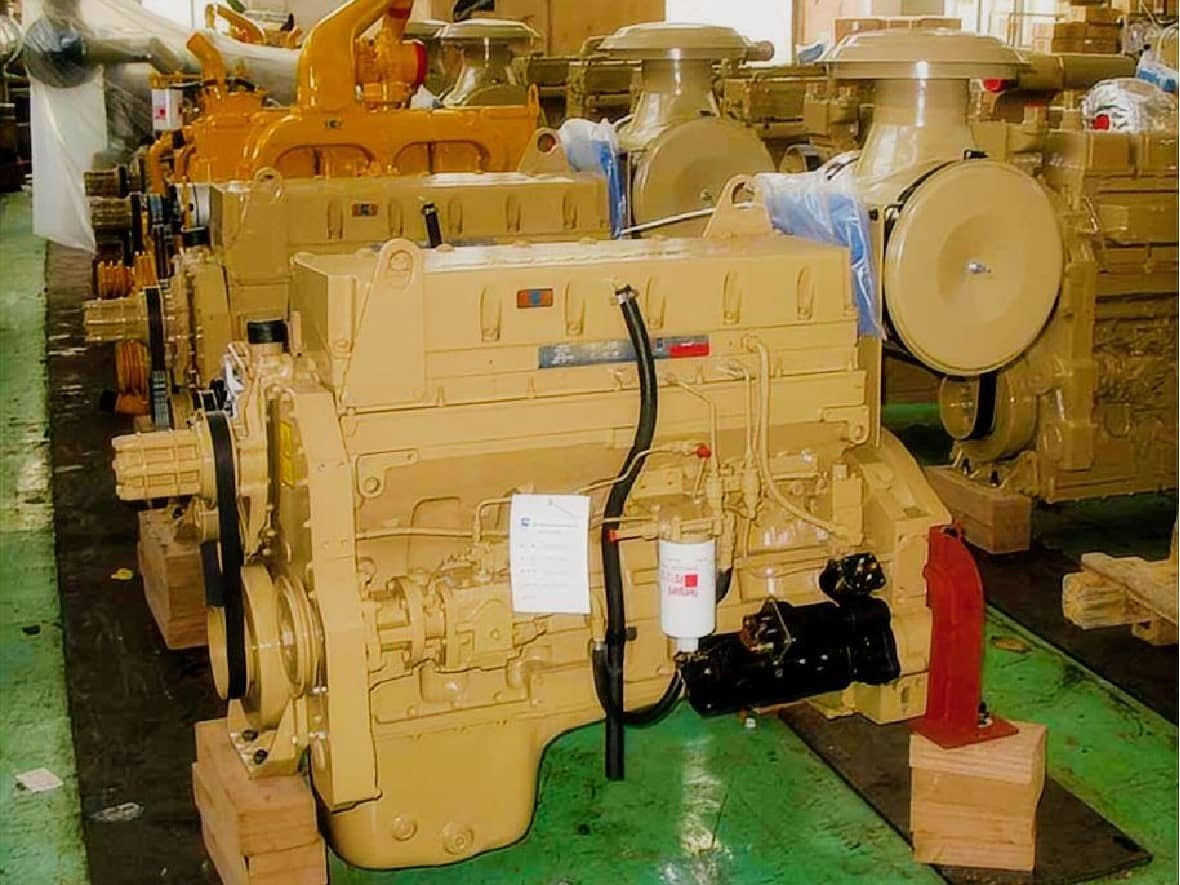
Genuine CCEC Cummins QSM11-G3 Complete Engine Assembly
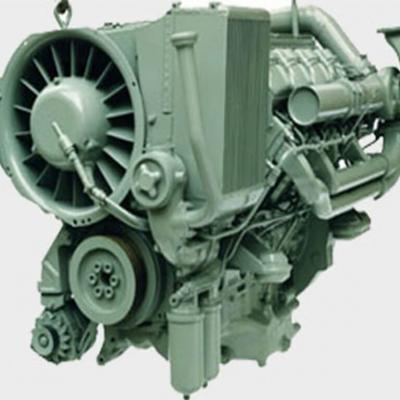
Finding a reliable heavy-duty power source requires precise engineering matches. As a dedicated wholesale Cummins M-Series engine supplier, HekoPower provides the CCEC Cummins QSM11-G3 engine for global industrial applications. This 10.8L diesel engine is engineered specifically for power generation. It provides a highly stable electrical output, making it an ideal choice for facilities that cannot afford power interruptions.
The Cummins QSM11-G3 diesel generator engine operates efficiently across different frequency requirements. It offers a 257 kW prime power rating at 1500 RPM for 50 Hz markets. For 60 Hz requirements, the engine delivers a 387 kW prime rating at 1800 RPM. This flexibility makes the QSM11-G3 complete engine assembly a globally adaptable solution for OEMs and facility managers upgrading their current generator sets.
Our team at HekoPower ensures that when you buy a CCEC Cummins generator engine, you receive a factory-tested, authentic unit. We handle the export logistics, provide the Cummins QSM11-G3 datasheet PDF download upon request, and assist with precise alternator coupling compatibility.
Tech Specs of Cummins QSM11-G3
General Engine Data
Engine Model: Cummins QSM11-G3
Type: 6 Cylinders in Line, 4 Stroke Diesel
Displacement: 10.8 L
Bore * Stroke: 125 * 147
Net Weight: 1041 Kg
Overall Dimension: 1312mm*930mm*1158mm
Key Performance Data
Rated Power/Standby Output(1500 rpm): 257 kW, 292 kW
Rated Power/Standby Output(1800 rpm): 387 kW, 443 kW
Rated Speed: 1500/1800 rpm
Low Idle Speed: 675-750 rpm
Fuel Consumption @ Rated Power: 69 L/hr
More Technical Data
Fuel System: Cummins PT Pump, Direct Injection
Aspiration: Turbocharged/Charge Air Cooled
Compression Radio: 16.3:1
Lowest Starting Temp (Without auxiliary system): -12℃
Cooling Method: Water Cooled
Governor Type: Electronic Control
Engine Coolant Volume: 9.5 L
Electrical System (Starter Motor/Alternator): 24V
Emission Standard: Euro III
Real-World Application Scenarios
The QSM11-G3 six-cylinder inline engine is not just a piece of metal; it is the backbone of critical infrastructure. We frequently supply the Cummins QSM11-G3 257 kW generator engine for continuous prime power in remote mining camps. In these environments, the turbocharged charge air cooled diesel engine prevents power degradation even at high altitudes.
Another common application is standby power for medium-sized manufacturing plants and hospitals. Facilities requiring a reliable standby diesel generator engine 250kVA setup often specifically request the QSM11-G3. Its rapid transient response ensures that when the main grid fails, the engine ramps up to its 292 kW standby power rating almost instantly. This prevents data loss in server rooms and keeps life-saving hospital equipment running without noticeable hesitation.
We also see high demand for this 6-cylinder inline diesel generator engine in marine port facilities. The CCEC QSM11-G3 water-cooled engine design handles the continuous, fluctuating loads of port cranes and refrigerated container yards with exceptional thermal stability.
Technical Comparisons: QSM11-G3 vs Other M-Series Models
A frequent question we receive at HekoPower is how the G3 compares to its sibling models. To make an informed procurement decision, buyers need to understand the nuances of the Cummins QSM11-G3 vs QSM11-G4, as well as the QSM11-G2 generator engine.
The primary differentiator is power calibration. The QSM11-G3 is mapped to deliver a 257 kW prime power rating at 1500 RPM. If you evaluate the QSM11-G3 257 kW vs QSM11-G4 292 kW, the G4 is calibrated for higher output demands within the exact same 10.8L block. The G4 pushes a 334 kW standby rating, whereas the QSM11-G3 provides a 292 kW standby power output at 50 Hz. You should choose the G3 if your facility's peak load calculations stay comfortably below 250 kW, ensuring you do not overpay for unused capacity.
When comparing the QSM11-G3 vs QSM11-G2 generator engine, the G2 serves the lower end of the power spectrum. The G2 is typically rated at 213 kW prime for 50 Hz applications. The physical dimensions and weight remain nearly identical across the G2, G3, and G4. However, the internal fuel mapping and air handling are uniquely tuned. Upgrading from a G2 to a G3 requires verifying that your existing alternator can handle the increased mechanical torque.
Engine Maintenance and Replacement Verification
Protecting your investment requires strict maintenance routines. The QSM11-G3 fuel consumption per hour is highly optimized, but it relies heavily on the health of the Cummins PT fuel system QSM11. The PT (Pressure-Time) fuel pump diesel engine requires clean, water-free diesel. We advise our clients to replace fuel filters strictly according to the service manual, especially in dusty industrial sites.
When acting as your Cummins QSM11-G3 replacement engine supplier, HekoPower takes specific steps to ensure a flawless swap. QSM11-G3 engine replacement verification is critical. We do not just ship a box. Our engineers require your existing engine nameplate data to perform a QSM11-G3 engine serial number verification.
This verification confirms the exact factory build. It ensures that the flywheel housing, governor setup, and cooling connections on the new unit match your old genset perfectly. Proper CCEC QSM11-G3 engine configuration confirmation eliminates downtime caused by unexpected mounting issues during installation. Furthermore, maintaining the engine with Cummins QSM11-G3 genuine spare parts is the only way to retain factory reliability and meet the intended Euro III emission standard generator engine requirements over the long term.
Common Misconceptions About the QSM11-G3
There are several misunderstandings in the market regarding this specific engine model. One common misconception is that any 10.8L engine can simply be tuned up or down via software to match another model. Because this is a mechanically governed PT fuel system in many configurations, altering the power output from a G2 to a G3 specification involves changing hard physical components like injectors and turbocharger housings, not just a software flash.
Another misconception involves QSM11-G3 alternator coupling compatibility. Buyers sometimes assume that replacing an old generator engine with a new QSM11-G3 is a universal fit for any brand of alternator. While SAE standard flywheel housings are used, the flex plate dimensions and torsional vibration characteristics must be validated. HekoPower always advises consulting the technical specifications before mating a new QSM11-G3 complete engine assembly supplier unit to an older alternator.
The Cummins M-Series Family and Your Options
Selecting the right engine often means looking at the broader engine family to understand your options. The QSM11-G3 is a core component of the highly respected M-Series, known for its structural durability and efficient Cummins PT fuel system. While the G3 fits very specific power nodes, your project might require a slightly different output configuration. To help our clients navigate our inventory, we stock a variety of models within this specific displacement class.
Because the M-Series is designed as a comprehensive family of engines covering diverse power requirements, our inventory is structured to support varied client needs. Cummins QSM11-G Series, original products from Chongqing Cummins Engine Plant(CCEC). This series mainly includes QSM11-G1, QSM11-G2, QSM11-G3, QSM11-G4.
Frequently Asked Questions
How do I get a Cummins QSM11-G3 engine quotation?
You can contact the HekoPower sales team directly with your destination country and required configuration. We provide detailed pricing that reflects current factory availability and global shipping costs.
Can the QSM11-G3 engine handle continuous power generation?
Yes. While it is widely used as a QSM11-G3 diesel engine for backup generators, it is fully rated for continuous use. For continuous power generation, the engine output must be de-rated according to international standards (typically a 10% deduction from prime power limits). This adjustment accounts for prolonged thermal stress.
What are the main differences between the QSM11 and the baseline QSM11 G-Drive?
The baseline QSM11 designation often refers to industrial off-highway configurations used in construction equipment or marine vessels. These models feature variable speed curves. The QSM11 G-Drive engine is engineered specifically for alternator matching. It features fixed-speed governor maps tailored to 1500 RPM and 1800 RPM operation.
What is the difference between 1500RPM and 1800RPM versions?
1500RPM engines are commonly used in 50Hz power systems, while 1800RPM versions are generally configured for 60Hz markets such as North America and certain Middle Eastern regions.
Does this engine comply with modern environmental standards?
Yes, depending on the specific tuning and exhaust after-treatment configurations selected by the genset builder, this unit can be configured to meet QSM11-G3 Euro III diesel engine emission standards, making it suitable for heavily regulated urban environments.
Can I convert a 50Hz QSM11-G3 to a 60Hz application in the field?
While the base engine is capable of both 1500 RPM and 1800 RPM operations, altering the frequency QSM11-G3 50Hz vs 60Hz requires reprogramming the electronic governor and potentially recalibrating the PT fuel pump settings. It is highly recommended to order the engine factory-set to your required frequency to ensure optimal fuel consumption and warranty compliance.