Details
Operational Architecture and Power Delivery Dynamics of the QSM11-G4
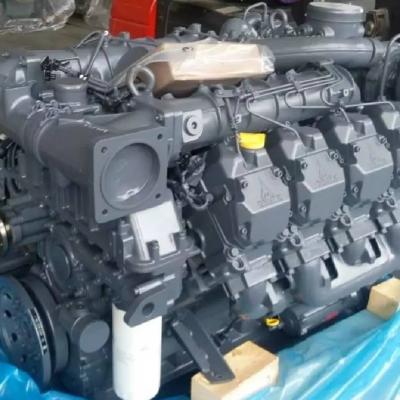
The Cummins QSM11-G4 stands as a cornerstone in modern industrial power generation, driven by an advanced 10.8-liter inline six-cylinder architecture. Unlike mechanical fuel injection systems found in older generations, the QSM11-G4 utilizes Quantum System electronics with sophisticated CENTRY fuel controls and high-pressure fuel injection. This configuration optimizes atomization across varying load cycles, ensuring precise fuel delivery that directly minimizes unburned hydrocarbons during transient response events.
Operating at either 1500 RPM for 50Hz frequency output or 1800 RPM for 60Hz generation, the engine delivers robust prime power ratings around 292kW to 318kW and standby outputs scaling up to 351kW. The robust cast iron block paired with a hardened steel forged crankshaft is engineered to withstand high peak cylinder pressures, making it exceptionally reliable for continuous duty cycles in remote industrial facilities, municipal backup stations, and heavy commercial infrastructure.
Tech Specs of Cummins QSM11-G4
General Engine Data
Engine Model: Cummins QSM11-G4
Type: 6 Cylinders in Line, 4 Stroke Diesel
Displacement: 10.8 L
Bore * Stroke: 125 * 147
Net Weight: 1041 Kg
Overall Dimension: 1312mm*930mm*1158mm
Key Performance Data
Rated Power/Standby Output(1500 rpm): 292 kW, 322 kW
Rated Power/Standby Output(1800 rpm): 426 kW, 470 kW
Rated Speed: 1500/1800 rpm
Low Idle Speed: 675-750 rpm
Fuel Consumption @ Rated Power: 69 L/hr
More Technical Data
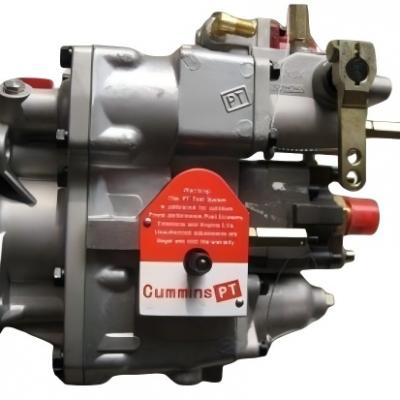
Fuel System: Cummins PT Pump, Direct Injection
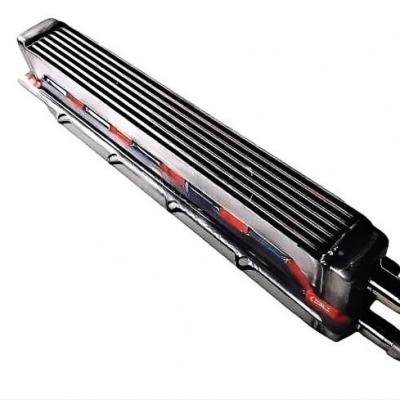
Aspiration: Turbocharged/Charge Air Cooled
Compression Radio: 16.3:1
Lowest Starting Temp (Without auxiliary system): -12℃
Cooling Method: Water Cooled
Governor Type: Electronic Control
Engine Coolant Volume: 9.5 L
Electrical System (Starter Motor/Alternator): 24V
Emission Standard: Euro III
Technical Comparisons: Mechanical vs. Electronic Fuel Systems in 11-Liter Class Engines
When evaluating generator drive engines in the 10-liter to 12-liter displacement bracket, operators frequently encounter debates regarding electronic management versus legacy mechanical injection. Legacy engines such as the older mechanical M11 variants relied on camshaft-actuated PT injectors, which provided mechanical simplicity but lacked real-time adjustments for ambient air density and exhaust gas temperature thresholds.
The QSM11-G4 shifts this paradigm entirely through closed-loop electronic governance. By continuously monitoring intake manifold pressure, coolant temperature, and engine speed via multiple diagnostic sensors, the electronic control module adjusts timing dynamically. This eliminates the sluggish response times common in mechanically governed units when sudden electrical block loads are applied. Furthermore, thermal efficiency is significantly improved, yielding optimized fuel consumption curves at 50, 75, and 100 percent load intervals without requiring manual calibration adjustments during seasonal ambient shifts.
Real-World Application Scenarios for Industrial Prime and Standby Power
Deploying an industrial Cummins QSM11-G4 generator engine requires careful matching with facility load profiles and environmental constraints. In heavy construction and mining installations where grid power is unreliable or entirely absent, the engine frequently operates as the primary source of continuous electricity. Units configured for 1500 RPM prime power applications drive large alternators supplying continuous camps, crushing plants, and deep-well dewatering pumps.
Conversely, in mission-critical facilities such as regional data centers, telecommunication hubs, and healthcare backup systems, the QSM11-G4 functions in standby mode at 1800 RPM. In these environments, rapid block-loading capability is paramount. The turbocharged, air-to-air aftercooled design ensures that combustion air remains dense even when ambient engine room temperatures rise during prolonged outages, allowing the generator set to accept 100 percent of rated load within seconds of a grid failure signal.
Maintenance Protocols, Overhaul Insights, and Common Misconceptions
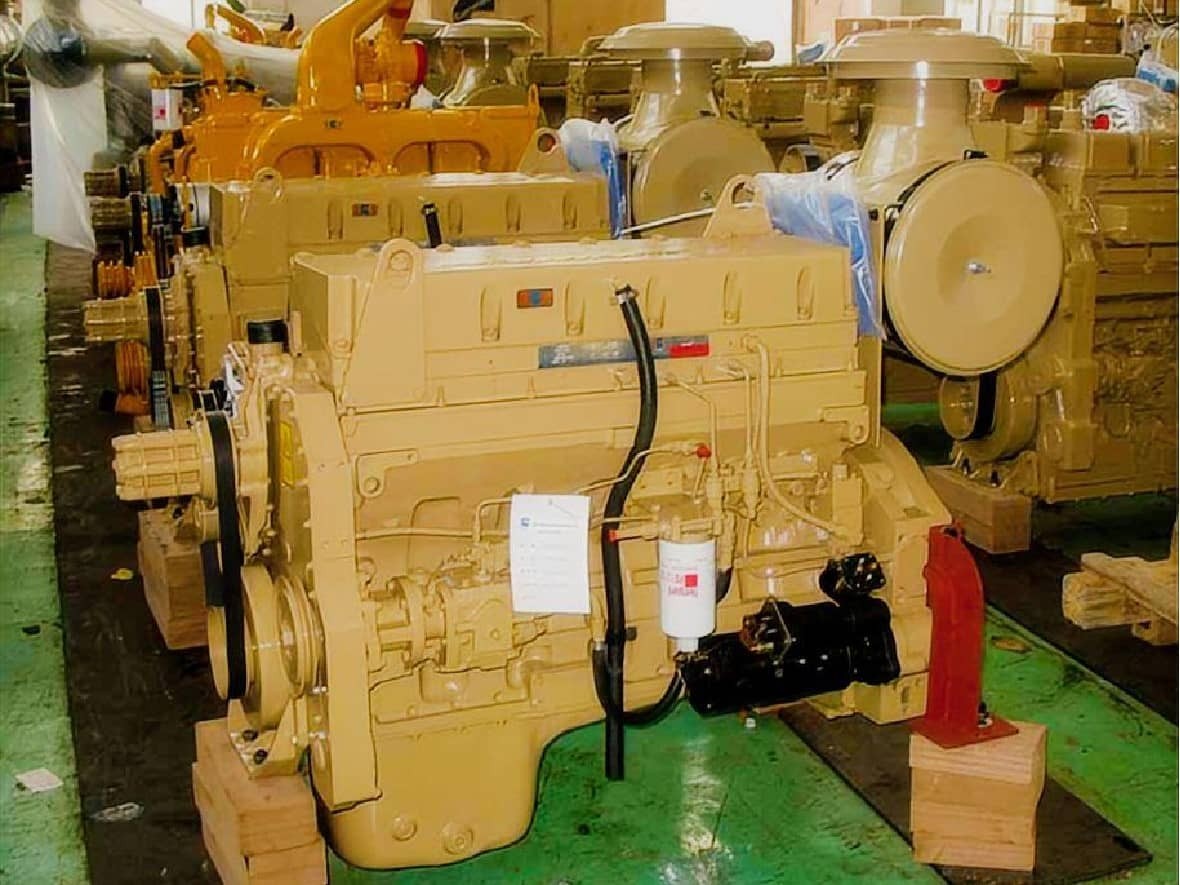
Maximizing the operational lifespan of a complete CCEC Cummins QSM11-G4 engine assembly depends heavily on adhering to strict preventive maintenance intervals regarding lubrication and filtration quality. Because high-pressure common rail and advanced electronic unit injector systems operate with extremely tight internal tolerances, fuel cleanliness is critical. Utilizing secondary fuel water separators and maintaining timely oil sampling protocols prevents premature wear on plunger barrels and injector tips.
A common misconception among operators is that electronic diesel engines require frequent software flashing or specialized dealership intervention for routine mechanical repairs. In practice, the core mechanical components—such as the cylinder head assemblies, gear train timing, and wet-sleeve liners—follow traditional heavy-duty diesel overhaul principles. Troubleshooting is streamlined via fault code diagnostics, allowing maintenance technicians to isolate electrical sensor anomalies without tearing down the power unit unnecessarily. When replacing auxiliary components like water pumps or turbochargers, verifying the CPL (Control Parts List) number stamped on the engine data plate ensures absolute component compatibility and prevents coolant flow discrepancies.
Series Integration
When integrating this model into broader procurement strategies, facility managers and equipment manufacturers frequently evaluate complementary displacements across our catalog. Cummins QSM11-G Series, original products from Chongqing Cummins Engine Plant(CCEC). This series mainly includes QSM11-G1, QSM11-G2, QSM11-G3, QSM11-G4.
Frequently Asked Questions Regarding the QSM11-G4
How does altitude and ambient temperature affect the output performance of the QSM11-G4?
Because the QSM11-G4 utilizes a turbocharged and charge air-cooled induction system, it compensates effectively for moderate environmental changes. However, operation at high altitudes exceeding 1,500 meters or in ambient temperatures above 40 degrees Celsius requires derating calculations to account for reduced air density and lower cooling efficiency, ensuring exhaust gas temperatures remain within safe engineering limits.
Can the QSM11-G4 engine be retrofitted to replace older mechanical Cummins M11 generator engines?
Retrofitting a QSM11-G4 electronic engine into a chassis previously configured for a mechanical M11 requires careful planning of the electrical harness, control panel integration, and governor communication protocols. While physical mounting footprints and bell housing dimensions share high compatibility, the electronic control module necessitates a compatible digital interface for instrumentation and safety shutdown monitoring.
Is this engine suitable for continuous prime power?
Absolutely. The QSM11-G4 engine for diesel generator applications is over-engineered for heavy continuous duty. We recommend consulting the official fuel consumption curve data we provide to help plan your operational fuel budgets accurately.