Details
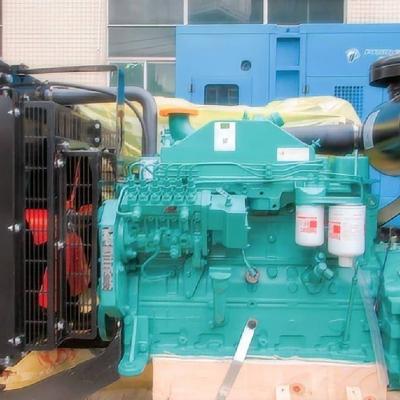
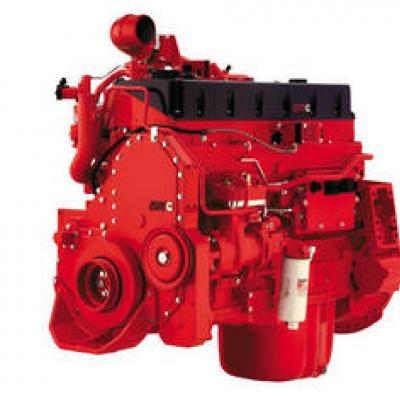
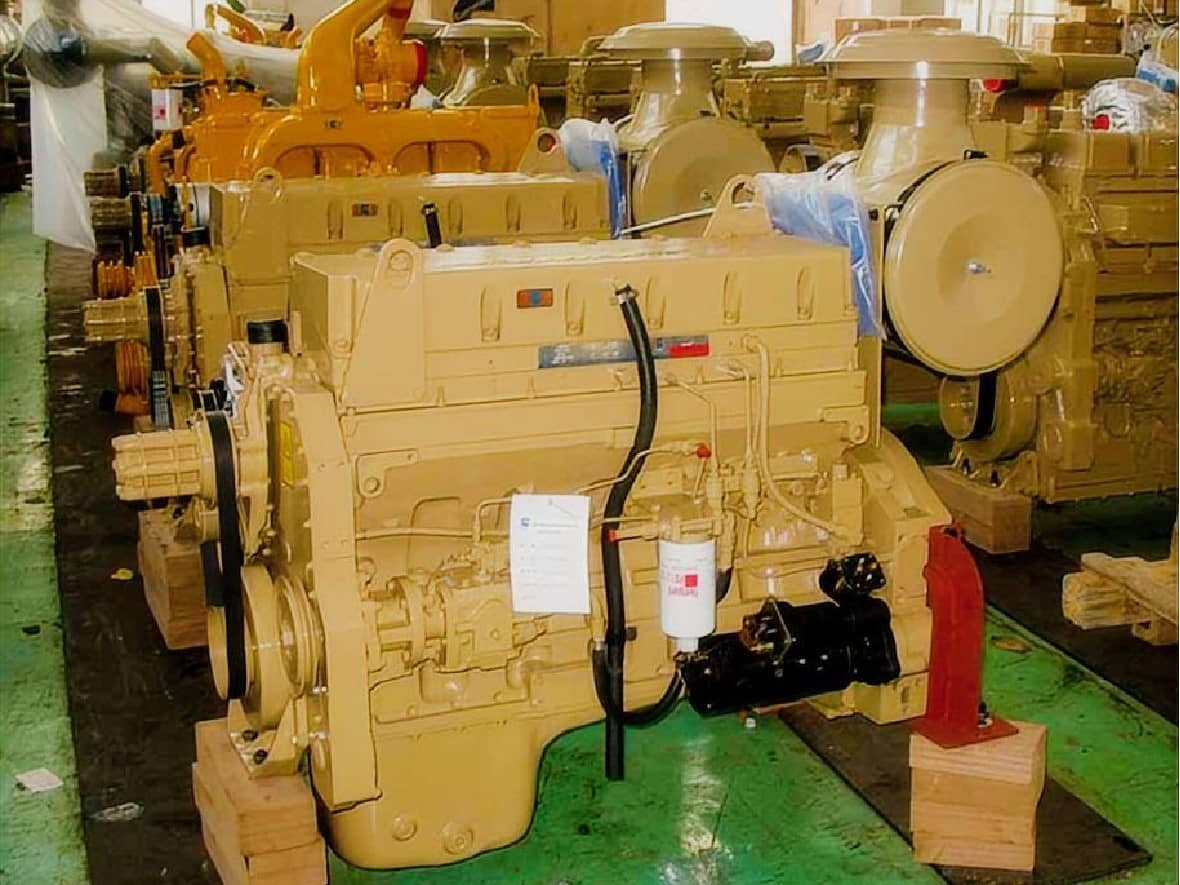
Cummins QSM11-G1 Generator Engine: Engineering Excellence for Industrial Power
The selection of a prime mover for heavy industrial power generation requires a deep understanding of mechanical durability, electronic fuel control precision, and transient load response. As an established CCEC QSM11-G1 diesel engine supplier, HekoPower provides comprehensive technical transparency to support genset manufacturers, engineering contractors, and project developers worldwide. The Cummins QSM11-G1 10.8L engine represents a pinnacle of heavy-duty engineering within the mid-range displacement category, delivering robust performance across diverse commercial and industrial landscapes.
Tech Specs of Cummins QSM11-G1
General Engine Data
Engine Model: Cummins QSM11-G1
Type: 6 Cylinders in Line, 4 Stroke Diesel
Displacement: 10.8 L
Bore * Stroke: 125 * 147
Net Weight: 1007 Kg
Overall Dimension: 1306mm*914mm*1280mm
Key Performance Data
Rated Power/Standby Output(1500 rpm): 234 kW/314HP, 257 kW/345HP
Rated Power/Standby Output(1800 rpm): 268 kW/359HP, 295 kW/395HP
Rated Speed: 1500/1800 rpm
Low Idle Speed: 675-750 rpm
Fuel Consumption @ Rated Power: 56 L/hr
Continuous Output/Speed(1500 rpm): 199 kW/267HP @ 1500 rpm
Continuous Output/Speed(1800 rpm): 228 kW/305HP @ 1800 rpm
More Technical Data
Fuel System: Cummins PT Pump, Direct Injection
Aspiration: Turbocharged/Charge Air Cooled
Compression Radio: 16.3:1
Lowest Starting Temp (Without auxiliary system): -12℃
Cooling Method: Water Cooled
Governor Type: Electronic Control
Engine Coolant Volume: 9.5 L
Electrical System (Starter Motor/Alternator): 24V
Emission Standard: Euro II
Real Application Scenarios and Operational Deployments
Industrial power generation demands high reliability across extreme environmental conditions. The adaptability of the Cummins QSM11-G1 engine for industrial standby power makes it a preferred choice for operations requiring zero downtime.
Continuous Prime Power for Telecommunications Infrastructure
Remote telecommunications towers rely heavily on uninterrupted power supply systems where grid stability is absent or intermittent. Deploying a continuous prime power engine for telecom towers like the QSM11-G1 guarantees consistent energy output under continuous load profiles. Its robust block design and superior heat dissipation characteristics allow it to operate reliably in high-ambient-temperature regions without experiencing premature component fatigue.
Standby and Municipal Backup Power Integration
Municipal facilities, water treatment plants, and commercial complexes utilize the standby diesel generator engine 250kW-300kW QSM11 configuration for emergency resilience. When utility grids fail, the rapid start capability and smooth transient recovery of the QSM11-G1 complete engine assembly ensure that critical life-safety and operational systems resume power within seconds.
Technical Comparisons: QSM11-G1 Versus Standard Mid-Range Industrial Engines
When selecting a heavy-duty power plant, engineers frequently weigh the QSM11-G1 against standard 9-liter or 12-liter industrial diesel alternatives available in the global market.
Compared to smaller 9-liter class engines, the 10.8-liter displacement of the Cummins QSM11-G1 provides a higher thermal mass and greater torque reserve. This mechanical headroom allows the engine to handle sudden block loads without suffering severe speed droop or stalling. Furthermore, while smaller displacement engines often require higher operating speeds or aggressive turbocharging to reach comparable power outputs, the QSM11-G1 achieves its ratings at moderate internal pressures, thereby extending overall overhaul intervals.
When compared against larger 12-liter or 13-liter power plants, the QSM11-G1 offers a distinct advantage in power-to-weight ratio and spatial footprint. Many industrial containerized gensets have strict dimensional constraints. The six-cylinder inline configuration of the QSM11 allows for a more compact enclosure design compared to bulkier V-configuration engines of similar output. This compactness translates to reduced shipping dimensions, easier maintenance access within tight canopy spaces, and lower overall project logistics costs for genset manufacturers exporting worldwide.
Common Misconceptions Regarding the QSM11-G1 Engine
A frequent misconception among procurement personnel is that any generic Cummins-branded industrial block can be interchanged directly with a dedicated G-Drive specification like the QSM11-G1. In practice, automotive or industrial equipment engines feature different camshaft profiles, oil pan configurations, and governor mappings optimized for variable vehicle speeds rather than constant-speed generator drives. Attempting to use non-G-Drive variants for power generation leads to unstable frequency control and premature governor wear.
Another prevalent myth is that high-altitude deployment requires extensive internal engine modifications such as piston or turbocharger replacements. While high-altitude operation does reduce atmospheric density, the electronic control module on the QSM11-G1 dynamically adjusts fueling parameters based on barometric feedback. While mechanical derating must still be calculated based on elevation and ambient temperature curves, the core engine architecture inherently manages altitude transitions far more efficiently than older mechanically governed engines.
Maintenance, Servicing, and Replacement Guidelines
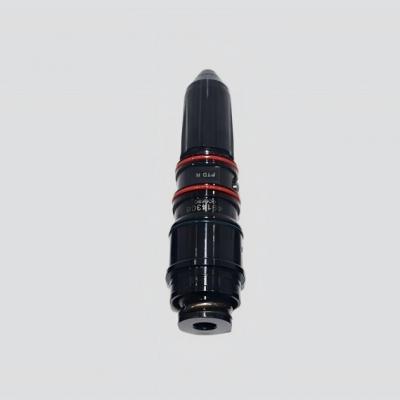
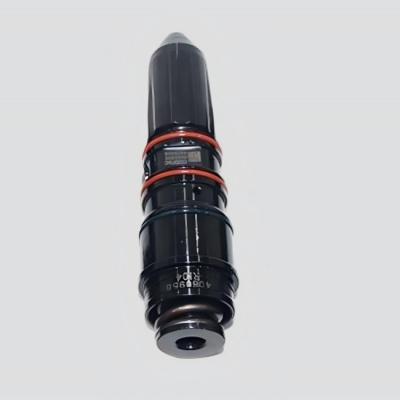
Maximizing the operational lifespan of a Cummins QSM11-G1 generator engine requires adherence to structured maintenance intervals. Routine checks should focus on the filtration systems, utilizing genuine Fleetguard lube, fuel, and air filters to protect precision fuel injectors from abrasive contaminants.
When executing a generator engine replacement or scheduling major overhauls, technicians must verify cooling system integrity. The radiator and cooling fan assembly must be sized in strict accordance with the heat rejection data outlined in the official technical documentation. Inadequate airflow or restricted core sizing will cause coolant temperatures to spike, triggering electronic protection modes that derate or shut down the engine during peak operating loads. Furthermore, maintaining proper valve lash clearances and inspecting the turbocharger wastegate actuation mechanism during scheduled service intervals prevents efficiency losses and ensures sustained fuel economy.
The Cummins M-Series Architecture and Series Context
Selecting the correct model variant for specific power generation projects involves exploring the broader spectrum of available configurations within the engine family. Each unit in this product lineage shares foundational block metallurgy while offering distinct power tunings tailored for specific electrical output requirements.
Cummins QSM11-G Series, original products from Chongqing Cummins Engine Plant(CCEC). This series mainly includes QSM11-G1, QSM11-G2, QSM11-G3, QSM11-G4.
QSM11-G1 Engineering Frequently Asked Questions
What is the exact displacement of the Cummins QSM11-G1?
The engine features a total displacement of 10.8 liters through an inline 6-cylinder layout. This displacement provides excellent torque characteristics and stable block-loading capacity across its power range.
Can the QSM11-G1 engine be operated at both 50 Hz and 60 Hz?
Yes. The engine is engineered to support both frequencies, operating at 1500 RPM for 50 Hz systems and 1800 RPM for 60 Hz systems, with corresponding adjustments in power ratings and fuel calibration.
What maintenance practices are critical for ensuring long service life?
Regular replacement of genuine filtration elements, monitoring cooling system capacity, ensuring proper fuel quality, and adhering to scheduled valve adjustments are essential for long-term reliability.