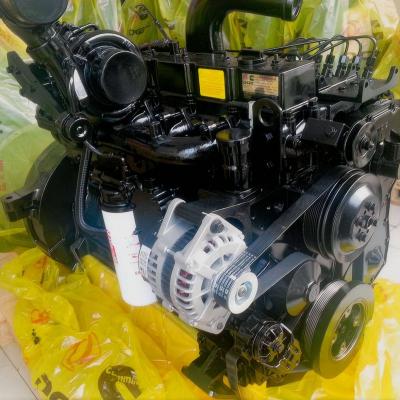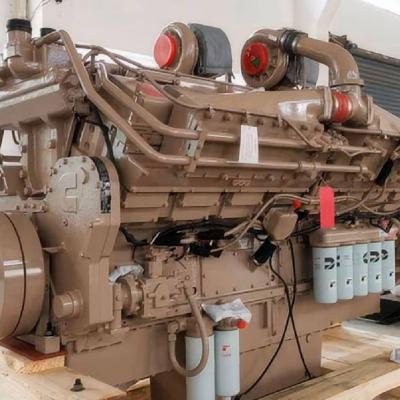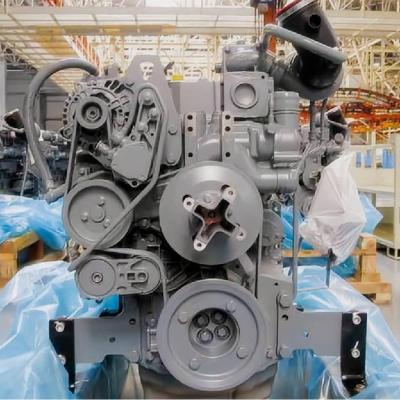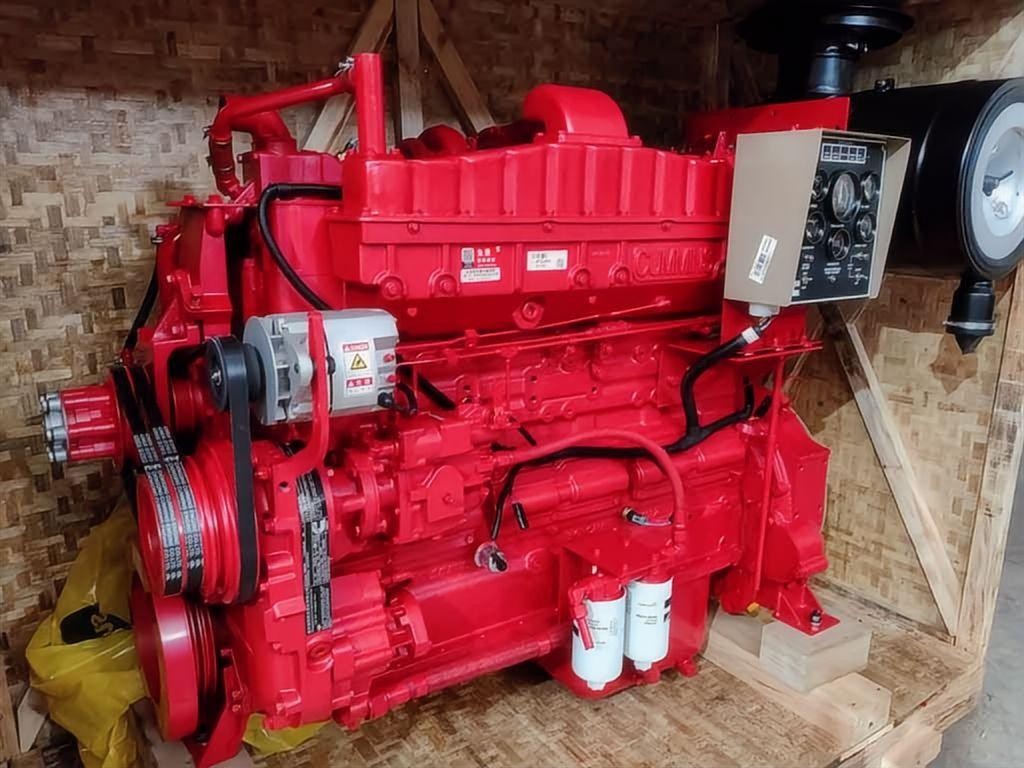
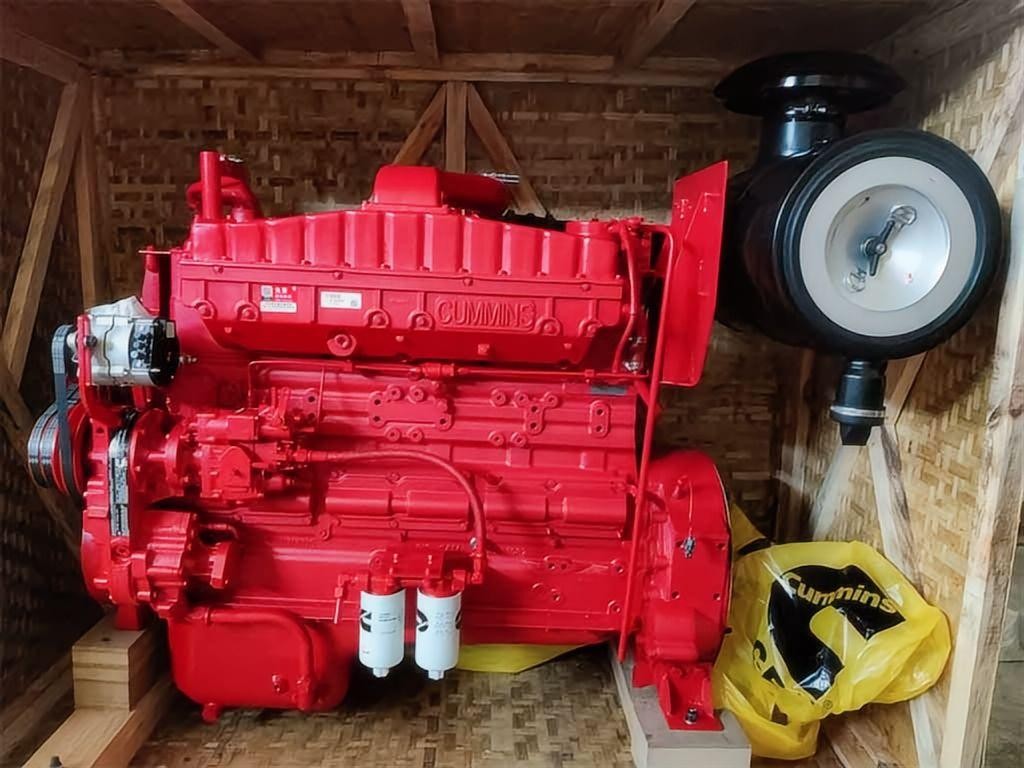
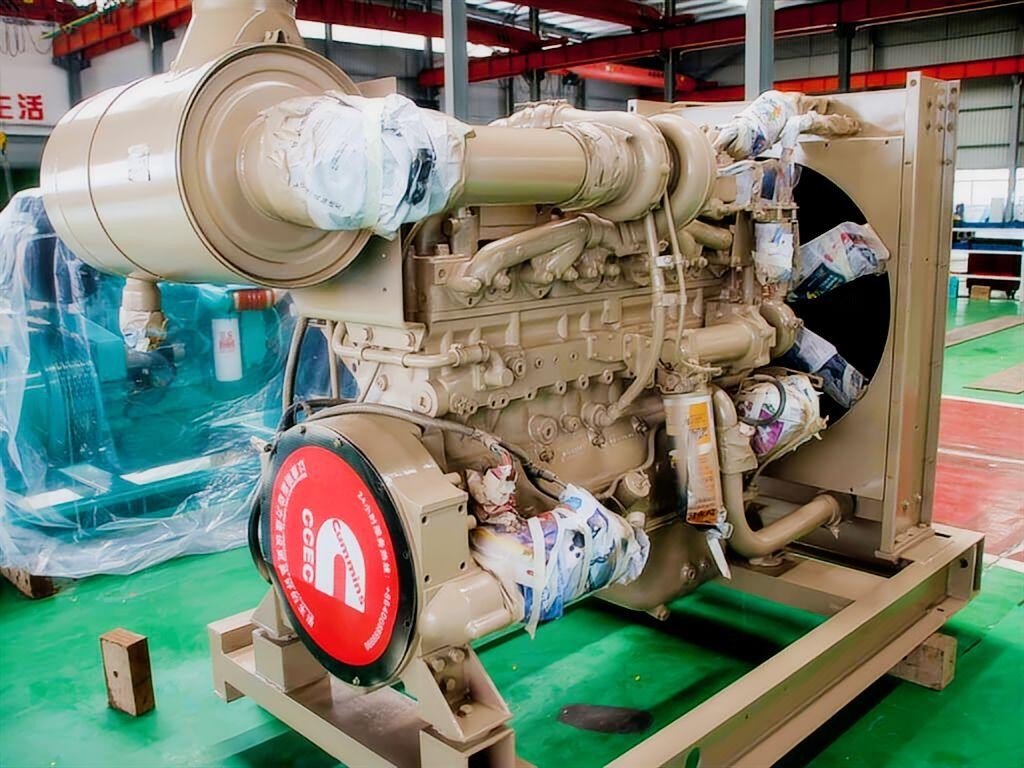
The Cummins NTA855-P360 is a heavy-duty mechanical inline engine engineered specifically for continuous industrial pumping duty cycles. Displacing 14 liters across six cylinders, this power unit delivers a rated output of 269kW (360HP) at an operational speed of 1800 RPM. Designed and manufactured by Chongqing Cummins Engine Co., Ltd. (CCEC), the architecture relies on a robust 140mm bore and 152mm stroke configuration. This geometry generates high low-end torque characteristics necessary to overcome heavy hydraulic head pressures in municipal water transfer and emergency fire suppression networks.
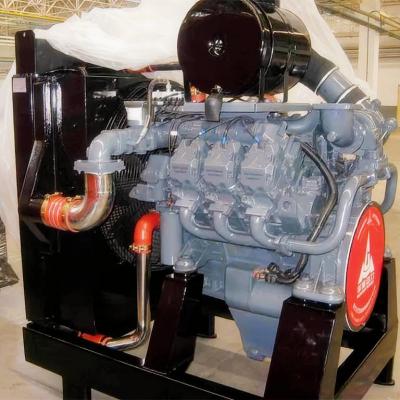
Unlike standard automotive or generator-drive configurations, the NTA855-P360 pump engine features specialized governor settings optimized for variable heavy loads. The integrated turbocharger and aftercooled system force dense air masses into the combustion chambers, ensuring complete fuel vaporization even when operating at high ambient temperatures. HekoPower supplies complete engine assemblies configured specifically with industrial-grade front-end accessories, heavy-duty cooling packages, and precise mounting rails tailored for skid-mounted or stationary pump station installations.
Engineers selecting power units for large-scale municipal projects often evaluate sibling models within the 855 family, such as the NTA855-P360B, NTA855-P360C, and older NT855-P360 configurations. Understanding these architectural distinctions prevents premature mechanical wear and thermal overload during operation.
When comparing the NTA855-P360 to the NTA855-P360B, the primary divergence lies within the fuel timing and governor response curves. While both units share identical block castings and displacement parameters, the P360 variant utilizes a mechanical variable-speed governor calibrated to maintain strict frequency and flow stability under sudden hydraulic load spikes. This contrasts with the P360B variant, which is typically tuned for fixed-speed agricultural irrigation where load fluctuations are gradual.
A frequent technical misconception involves confusing the NTA-series aftercooled layout with naturally aspirated or turbocharged-only NT855 predecessors. The inclusion of the air-to-air or jacket-water aftercooler on the NTA855-P360 lowers intake manifold temperatures by up to 30°C compared to legacy NT models. This thermal reduction is vital for maintaining volumetric efficiency during continuous 24-hour pumping cycles. Furthermore, evaluating the 1800 RPM rating against alternative 2100 RPM industrial ratings reveals a deliberate trade-off: the 1800 RPM calibration maximizes component lifespan, lowers piston mean speed, and reduces specific fuel consumption (g/kW.h) during long-term dewatering tasks.
The deployment versatility of the CCEC NTA855-P360 diesel engine is best observed across demanding industrial and municipal infrastructure environments where mechanical reliability is non-negotiable.
In municipal water supply and booster stations, this 14-liter engine serves as the prime mover for high-capacity split-case centrifugal pumps. Facilities relying on uninterrupted water distribution depend on the engine's ability to transition from idle to full load without thermal shock. Similarly, in heavy-duty dewatering operations across open-pit mines and civil engineering excavation sites, the engine drives high-head slurry and drainage pumps. Here, the robust cast-iron cylinder block withstands continuous vibration and abrasive airborne dust when paired with multi-stage heavy-duty air filtration packages supplied by HekoPower.
Emergency fire pump stations represent another critical deployment sector. Because fire suppression units must start instantly and operate at maximum rated output for days without interruption, the NTA855-P360 fire pump drive configuration incorporates specialized dual-battery starting circuits, emergency mechanical shutoff overrides, and heat exchanger cooling loops tied directly to the raw water discharge line. This ensures that even during total municipal electrical grid collapse, the pumping unit maintains uninterrupted hydraulic pressure.
Maximizing the operational lifespan of the CCEC NTA855-P360 requires adhering to rigorous maintenance protocols tailored for mechanical fuel-injected engines.
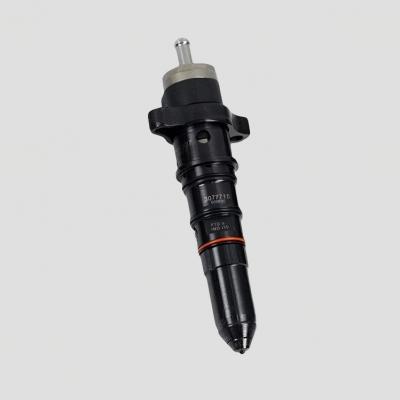
A prevalent misconception among facility operators is that the PT (Pressure Time) fuel system requires frequent manual calibration akin to traditional rotary injection pumps. In reality, the Cummins PT fuel system operates on fluid pressure and fixed orifice sizing, meaning maintenance teams should focus on pristine fuel filtration rather than pump adjustments. Water contamination is the primary cause of premature PT injector failure; installing dual-stage primary water-separating fuel filters upstream of the engine lift pump is mandatory for harsh field environments.
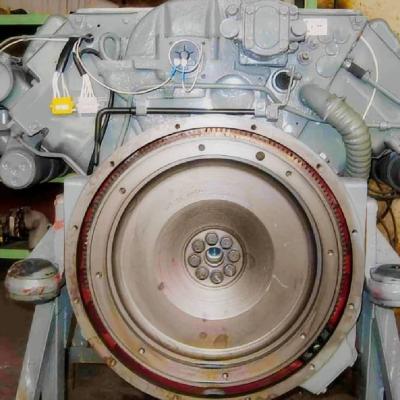
When performing a complete engine replacement or overhauling an existing assembly, technicians must verify flywheel housing and coupling dimensions (typically SAE 0 or SAE 1) to ensure precise alignment with driven centrifugal pumps. Misalignment exceeding 0.05mm will rapidly destroy the main crankshaft thrust bearings and lead to catastrophic vibration. Furthermore, cooling system maintenance must include regular inspection of the aftercooler core. Buildup of mineral scale inside the raw water cooling passages restricts heat transfer, leading to elevated exhaust gas temperatures and cracked cylinder heads.
Cummins NTA855-C/P Series, original products from Chongqing Cummins Engine Plant(CCEC). This series mainly includes NTA855-C250, NTA855-C280, NTA855-C310, NTA855-C335, NTA855-C360, NTA855-C400, NTA855-C450, NTA855-P300, NTA855-P360, NTA855-P400, NTA855-P470.
Yes, the engine utilizes a mechanical variable-speed governor that allows operators to modulate pump discharge flow and head pressure safely across a wide operational speed range without destabilizing combustion parameters.
Yes. The turbocharged aftercooled design is specifically engineered to manage internal heat. When paired with the correct heavy-duty industrial radiator, the engine will maintain optimal operating temperatures even in extreme summer environments or enclosed pump houses.