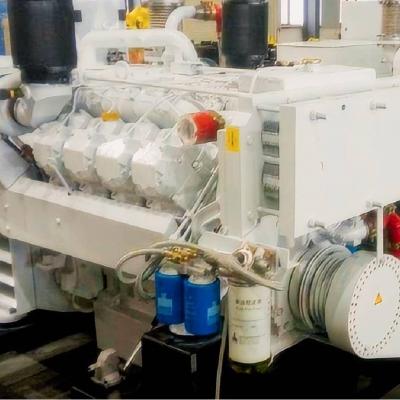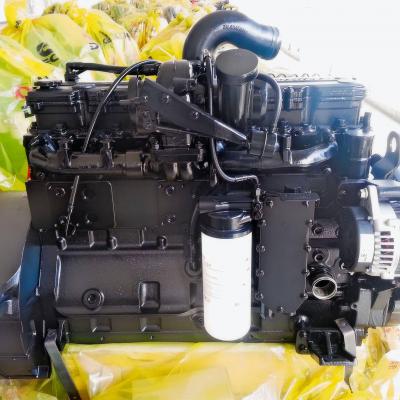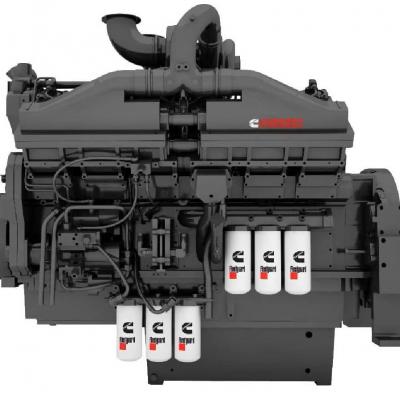
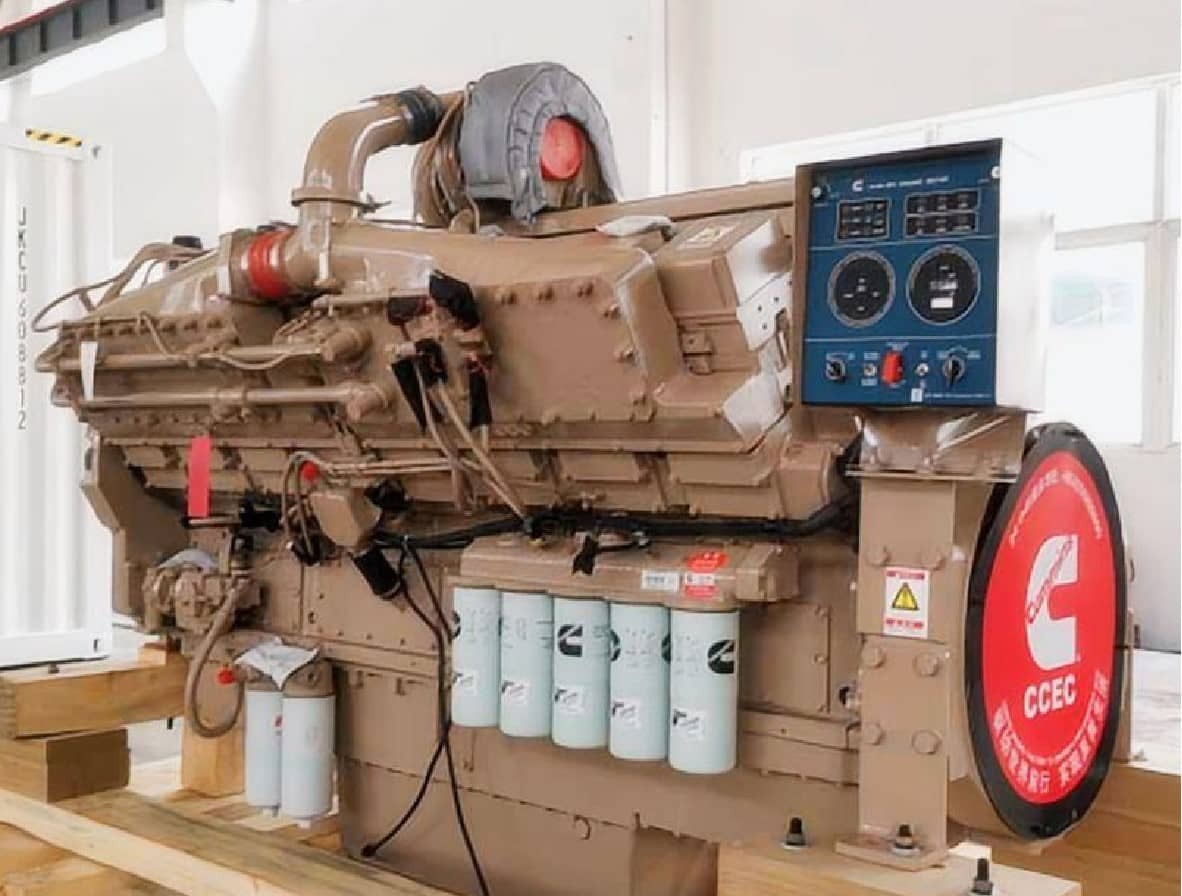
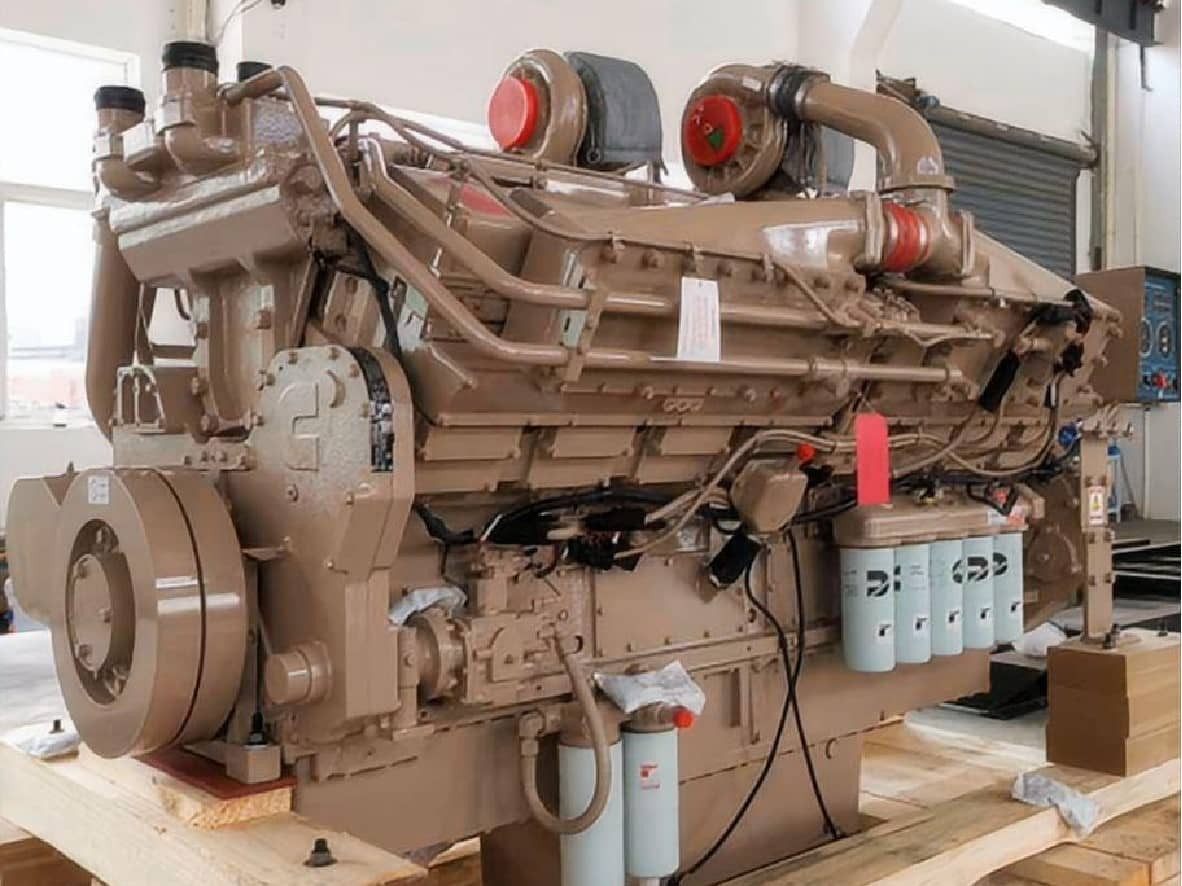
The Cummins KTA50-DM1291 serves as the backbone for heavy-duty shipboard auxiliary power. Operating at a continuous 1800 RPM to deliver 1291 kW of electrical power, this 50L V16 diesel engine provides vital energy for critical ship systems. Marine architects and shipyard engineers specify this exact model when grid stability and prime power reliability are non-negotiable.
We see this specific 1730 HP engine utilized extensively in offshore support vessels (OSVs). OSVs rely on dynamic positioning systems that demand instant, stable electrical output to power multiple maneuvering thrusters simultaneously. Tugboat auxiliary engines also rely on the KTA50-DM1291 to drive heavy-duty deck winches, hydraulic towing pins, and massive fire-fighting pumps.
Fishing vessel auxiliary engines and cargo vessel generator engines benefit from the engine's ability to maintain stable voltages during severe shock-loading events. A marine power solution at this scale requires precise integration. Whether you are running a 6944 Nm torque load through an industrial clutch or generating continuous kVA for a commercial vessel's hotel load, the KTA50-DM1291 offers uncompromising offshore reliability.
Selecting the right 50 liter V16 diesel engine requires a deep understanding of your vessel's specific duty cycle. Marine engineers frequently ask about the operational differences between the KTA50-DM1291 and the KTA50-G8. While both share the massive 159 x 159 mm bore and stroke, the G8 is designed strictly for land-based industrial power generation. The KTA50-DM1291 marine generator engine is entirely different. It integrates specialized marine-grade wiring, double-walled fuel lines, and the vital CCS/IMO Tier II emissions compliance required for international waters. The DM1291 is also locked for a 60Hz marine grid at 1800 RPM, whereas standard land-based G8 sets often run at 1500 RPM for 50Hz grids.
When analyzing the KTA50-DM1291 vs KTA50-DM1097, the primary distinction lies in the prime power output ceiling and thermal management requirements. The DM1291 pushes 1291 kW, which demands an upgraded seawater cooling system and a higher capacity heat exchanger to manage the increased thermal load. The DM1097 offers a lower output ceiling for vessels with lighter electrical demands. Over-sizing an engine just for extra capacity is a mistake; you must match the engine to your vessel's actual average load.
Buyers also frequently confuse the KTA50-DM1291 marine auxiliary vs propulsion engine models like the KTA50-M2. The KTA50-M2 is engineered for variable speed operation to drive a propeller shaft directly through a marine gear. In sharp contrast, the KTA50-DM1291 is a fixed-speed engine locked at 1800 RPM. This fixed speed is mandatory for producing stable AC electrical power. Attempting to use a propulsion-mapped engine for auxiliary generator duties will result in severe frequency fluctuations and catastrophic voltage drops across your vessel's electrical grid.
Shipyards and procurement teams often face common sizing misconceptions when configuring a KTA50-DM1291 marine generator set. A frequent and costly error involves generator kVA application and alternator matching. Buyers sometimes look at the 1417 kW standby power rating and attempt to size their primary alternator to that maximum limit for everyday use. The KTA50-DM1291 is a prime power engine designed for 1291 kW continuous operation. Sizing the alternator strictly to the standby peak will cause chronic under-loading. Operating a massive 50L engine at low loads leads to cylinder glazing, unburnt fuel bypass, and severe wet stacking in the exhaust system.
Another major misunderstanding surrounds marine cooling system requirements. Land-based engine radiator calculations do not apply to shipboard environments. The KTA50-DM1291 requires specific marine generator cooling requirements, typically utilizing a high-flow seawater heat exchanger. Failing to account for the pressure drop in custom keel-cooled setups or installing an undersized heat exchanger will result in thermal shutdowns during heavy electrical loads. Precise engine installation requirements must account for massive raw water intake volumes and adequate engine room ventilation to feed the twin turbochargers effectively.
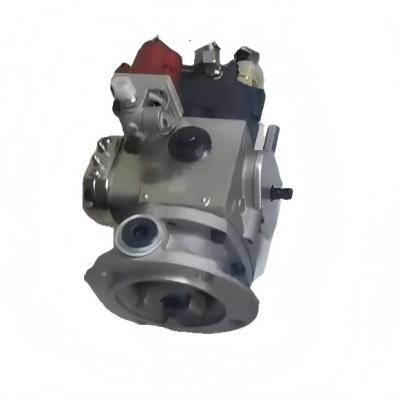
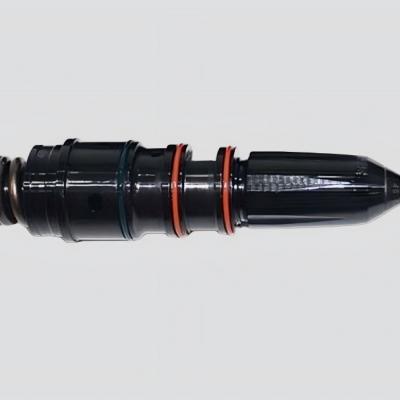
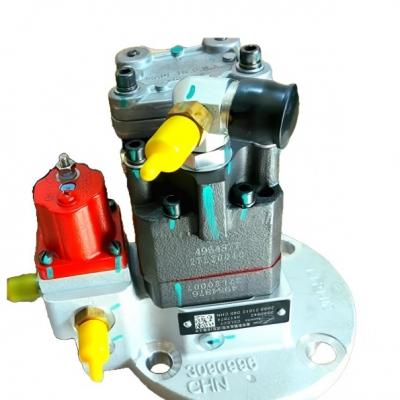
Maintaining a Cummins 50L V16 marine engine requires strict adherence to fluid schedules and proactive component inspections. The KTA50-DM1291 relies on the legendary mechanical Cummins PT fuel system. This KTA50-DM1291 Cummins PT fuel pump must be calibrated precisely to ensure absolutely stable 1800 RPM operation under varying electrical loads. Any pressure drop in the PT fuel system will immediately cause grid frequency instability on your vessel. Shipboard mechanics should regularly inspect the mechanical fuel injectors and replace the marine-grade fuel filters to prevent saltwater or microbial ingress from bunker tanks.
Thermal management is equally critical for this turbocharged aftercooled engine. The primary heat exchanger must be flushed periodically to remove marine growth, scale, and salt deposits. A restricted heat exchanger forces the engine to run hot, degrading the lubricating oil prematurely and risking internal component scoring. You must also monitor the wet exhaust system for proper raw water flow. A lack of cooling water in the exhaust not only risks a severe engine room fire but drastically reduces the operational lifespan of the exhaust manifold.
Electrical reliability hinges entirely on the 24V starting system. Shipboard environments are highly corrosive and prone to heavy vibration. Mechanics must regularly clean and torque all starter terminals, coat them in dielectric marine grease, and ensure battery banks remain isolated from hull vibration. A healthy 24V system guarantees the KTA50-DM1291 auxiliary diesel engine will start instantly when the vessel experiences a primary power blackout.
Understanding these deep technical specifications and application differences ensures you select the exact marine power solution for your vessel's engineering requirements. Whether you require this specific 1800 RPM auxiliary configuration or a different power node for your shipboard grid, CCEC provides a complete lineup of dependable marine auxiliary diesel engines designed for global commercial use.
Cummins K50-DM Series, Marine Auxilliary Diesel Engines for commercial and recreational applications, original products from Chongqing Cummins Engine Plant(CCEC). This series mainly includes KTA50-DM1097, KTA50-DM1291. All engines complete with sea water pump, heat exchanger, CCS/IMO certificates.
Yes. The genuine CCEC KTA50-DM1291 CCS IMO engine is fully certified for commercial marine use. It holds CCS (China Classification Society) certification and complies strictly with IMO Tier II emissions standards, making it legally ready for global maritime deployment.
Fuel consumption varies directly with the electrical load drawn by the vessel. At full prime load generating 1291 kW at 1800 RPM, the KTA50-DM1291 consumes fuel at an highly efficient rate optimized by the mechanical PT fuel system. Running at partial loads for extended periods will lower hourly consumption, but operators must maintain sufficient load to avoid engine glazing and carbon buildup.
The standard bare KTA50-DM1291 engine weight is approximately 5,166 kg (11,389 lbs) before coupling to an alternator. The overall footprint requires careful engine room spatial planning, as the heavy-duty V16 block measures roughly 2,694 mm in length, 1,564 mm in width, and 2,260 mm in height.
No. The KTA50-DM1291 is specifically governed as a fixed-speed marine auxiliary engine for power generation. For primary shaft propulsion, you must select a variable-speed Cummins engine model like the KTA50-M2 which is mapped to drive a marine gear and propeller setup.