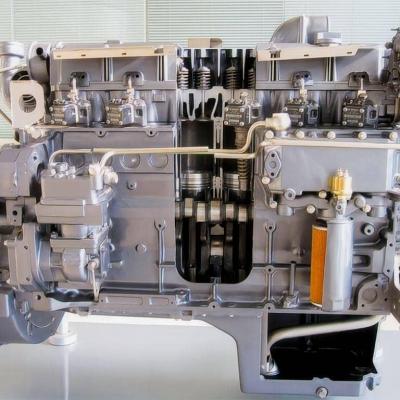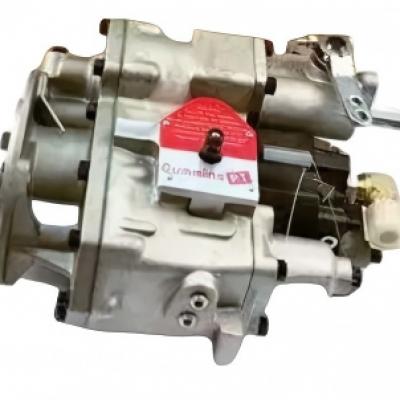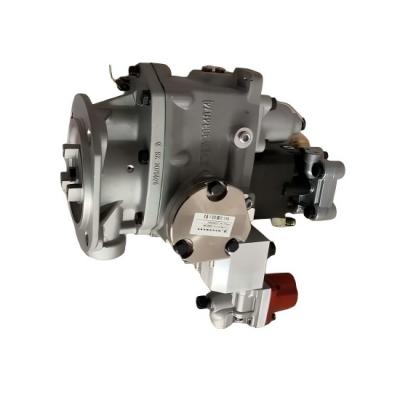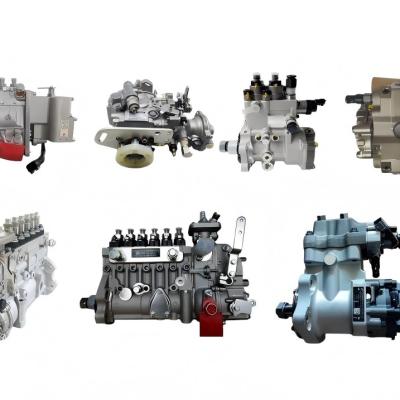
Choosing a reliable marine auxiliary diesel engine for fishing vessels or cargo fleets requires verified performance metrics, not generic catalog copies. As a direct genuine Cummins marine engine supplier, HekoPower delivers the factory-configured DCEC Cummins 6BTA5.9-GM100 designed specifically for constant-speed auxiliary applications.
Whether you need to power an onboard electrical grid or install a rugged diesel engine for marine emergency generators, this 5.9L power plant provides exceptional structural durability under continuous maritime loads.
Selecting the correct 5.9-liter engine configuration requires understanding how cooling, air intake, and speed governing impact real-world performance on the water.
Both models share the same 5.9-liter cast-iron engine block, 102 mm bore, and 120 mm stroke. However, the critical difference lies in air intake management. The standard 6BT5.9-GM100 relies on turbocharging alone. The 6BTA5.9-GM100 adds a jacket-water or seawater-cooled aftercooler, represented by the "A" in its model name.
This aftercooling stage significantly lowers the temperature of compressed air entering the intake manifold. Cooler air is denser, bringing more oxygen into the combustion chambers. This results in complete fuel burn, higher thermal efficiency, reduced exhaust smoke, and lower operating temperatures under continuous peak generator loads.
A common procurement mistake is attempting to adapt land-based generator engines like the 6BTA5.9-G2 for marine vessel duty. Industrial G-drive engines rely on open-air radiators and lack essential marine safety systems.
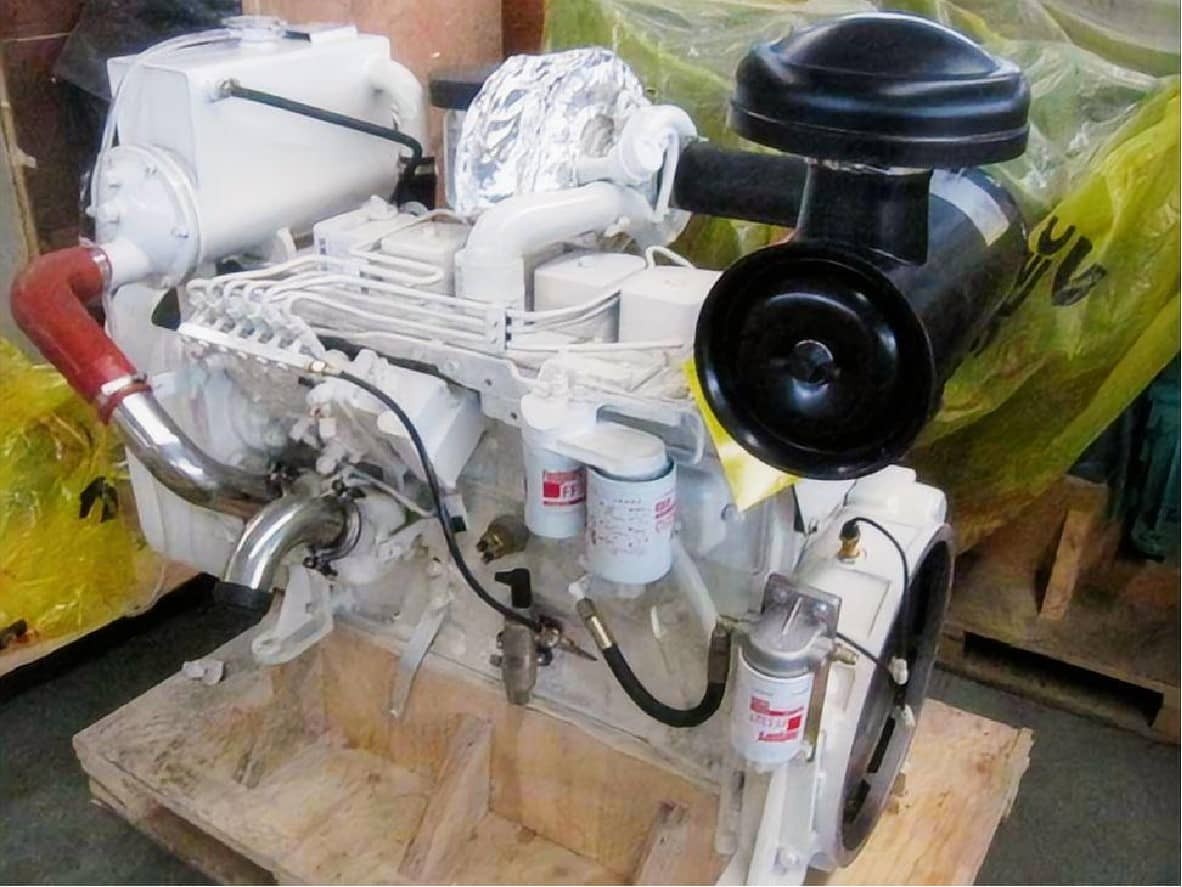
The DCEC 6BTA5.9-GM100 features a purpose-built marine closed-loop cooling system. It integrates a seawater pump, a shell-and-tube heat exchanger, and a water-jacketed marine exhaust manifold. Water-cooled exhaust manifolds keep engine room surface temperatures low to prevent onboard fire hazards. Additionally, the GM100 marine auxiliary variant is manufactured to comply with Marine Classification Society standards like CCS and IMO Tier II emissions regulations.
The 6BTA5.9-GM100 supports both global marine grid frequencies depending on its pump calibration and governor settings:
1500 RPM (50Hz Grids): Produces 100 kW prime power. This speed calibration is standard for Asian, European, and international commercial vessel power grids.
1800 RPM (60Hz Grids): Delivers up to 110 kW standby output. This higher speed supports Americas-flagged vessels, offshore supply craft, and applications requiring higher reserve capacity during heavy motor starting.
The DCEC 6BTA5.9-GM100 marine auxiliary engine is built to deliver uninterrupted electrical power across diverse commercial marine sectors.
Fishing trawlers and longliners rely heavily on continuous auxiliary power to run blast freezers, hold refrigeration compressors, and heavy hydraulic net haulers. The 6BTA5.9-GM100 maintains steady voltage and frequency stability when large electric compressor motors cycle on, preventing switchboard trips or power sags.
Tugboats operate under constantly changing electrical loads as winches, steering gear, and bow thrusters engage rapidly. The combination of the mechanical BYC inline pump and the GAC electronic governor allows the 6BTA5.9-GM100 to react instantly to sudden load steps, keeping onboard navigation and communication systems fully powered.
On coastal freighters and ocean barges, the 6BTA5.9-GM100 functions as a primary generator engine during sea voyages or as an independent emergency power unit in port. Its compact dimensions allow easy installation in cramped engine spaces while fully complying with international vessel safety codes.
Systematic preventive maintenance preserves engine reliability and extends overhaul intervals on commercial vessels.
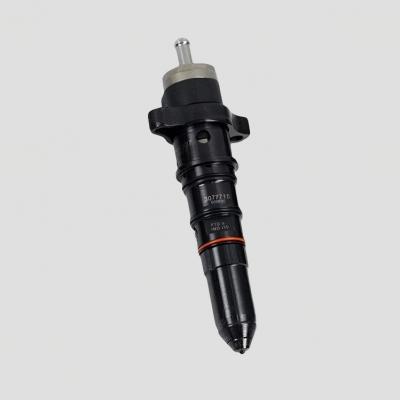
Marine diesel fuel is prone to water condensation and sediment accumulation. The mechanical BYC inline pump relies on ultra-clean fuel for internal lubrication. Install primary fuel-water separators with clear bowls and check them daily. Inspect fuel injectors every 1,500 operating hours to maintain proper spray patterns and prevent uneven cylinder temperatures.
Raw seawater creates scaling, marine growth, and galvanic corrosion inside cooling passages. Check the sacrificial zinc anodes inside the heat exchanger monthly, and replace them once 50% consumed. Flush the heat exchanger core with a descaling solution annually. Inspect the rubber impeller inside the raw water pump every 500 operating hours to avoid unexpected cooling failure.
When replacing an aging 6BT or early 6BTA marine engine, the 6BTA5.9-GM100 serves as a direct bolt-in replacement. Because engine mounting locations, SAE flywheel housing dimensions, and exhaust connection centers match historical B-series layouts, structural bed modifications are unnecessary. Always inspect raw water intake piping diameters to ensure proper water volume to the new heat exchanger.
Some vessel operators believe aftercooled engines burn more fuel due to their higher power ratings. In practice, charge-air cooling increases combustion efficiency. The 6BTA5.9-GM100 consumes less fuel per kilowatt-hour generated than non-aftercooled engines operating at identical load levels.
While the 6BTA5.9-GM100 comes factory-fitted with a heat exchanger and raw water pump, it can easily be converted to keel cooling. Bypassing the raw water circuit and plumbing the jacket water directly to keel cooling grids protects the engine when operating in muddy rivers or shallow coastal waters.
When running two 6BTA5.9-GM100 generator sets in parallel, set the GAC electronic governor to droop mode (3% to 5% droop) unless an electronic load-sharing module is integrated into the control panel. Correct droop setting prevents active power hunting between the two alternators.
To assist vessel owners, naval architects, and marine engineers in matching exact kilowatt demands with certified marine power units, HekoPower supplies the complete range of DCEC Cummins B-series marine engines, custom generator drives, and genuine factory replacement parts.
Cummins B5.9-GM Series, Marine Auxilliary Diesel Engines for commercial and recreational applications, original products from Dongfeng Cummins Engine Plant (DCEC), Cummins Joint Venture Plant since 1986, 50% shareholding by Cummins USA. This series mainly includes 6BT5.9-GM83, 6BT5.9-GM100, 6BTA5.9-GM100, 6BTAA5.9-GM115, 6BTA5.9-GM120. All engines complete with sea water pump, heat exchanger, CCS/IMO certificates.
At 1500 RPM (50Hz), the engine provides a 100 kW prime power rating for continuous, unlimited annual operation under variable load. At 1800 RPM (60Hz), it provides a standby output up to 110 kW for emergency backup duty.
Yes. HekoPower supplies genuine DCEC Cummins 6BTA5.9-GM100 engines accompanied by CCS (China Classification Society) documentation and IMO Tier II exhaust emission compliance certificates upon request.
The GM100 model is factory-optimized for a constant 1500RPM Cummins marine engine speed to run 50Hz electrical grids. If your vessel operates on a 60Hz standard requiring 1800RPM, please consult our engineering team so we can provide a compatible alternative B-series model.
Inspect the flexible rubber impeller every 500 operating hours or six months. Replace the impeller immediately if vanes show cracking, stiffness, or wear to prevent engine overheating at sea.
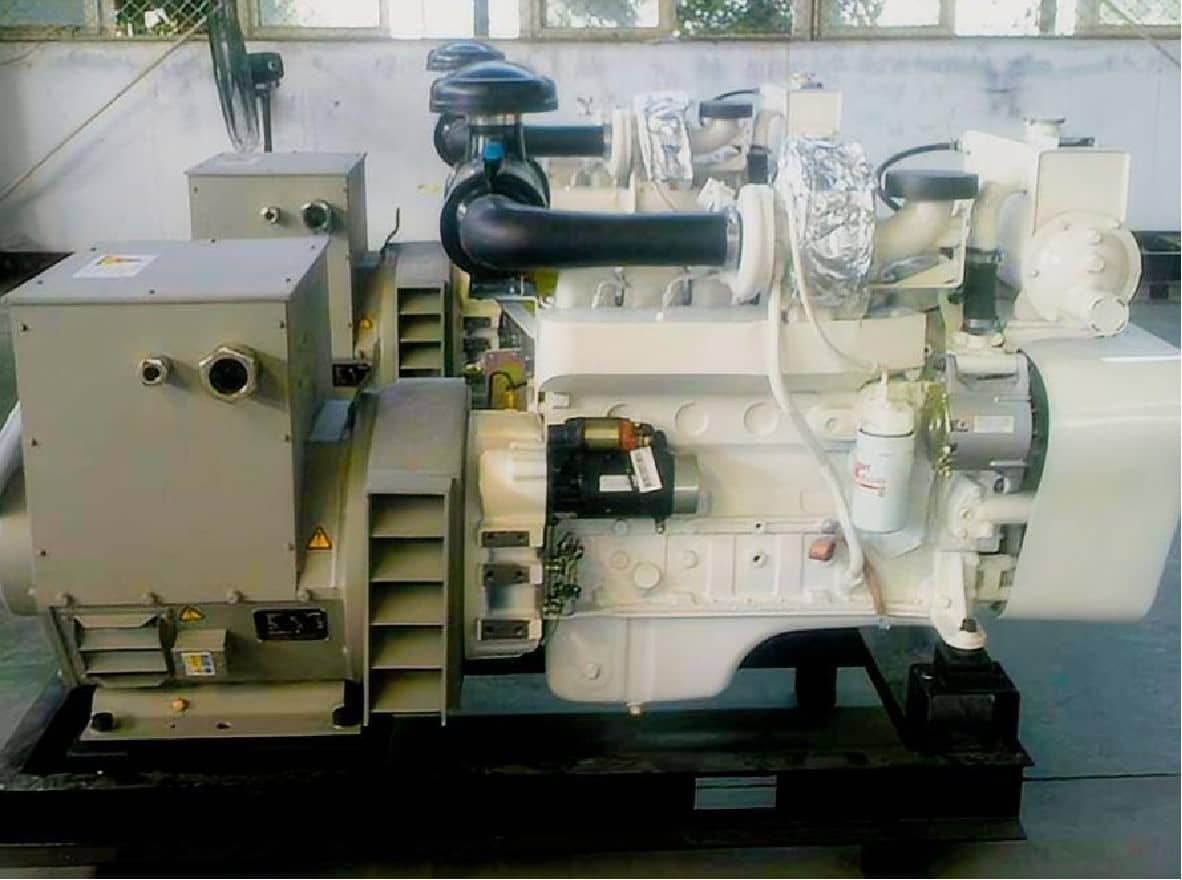
Yes. HekoPower supplies standalone 6BTA5.9-GM100 engine assemblies as well as fully mounted marine generator packages coupled with Stamford, Marathon, or Leroy Somer alternators on heavy-duty steel skid bases.