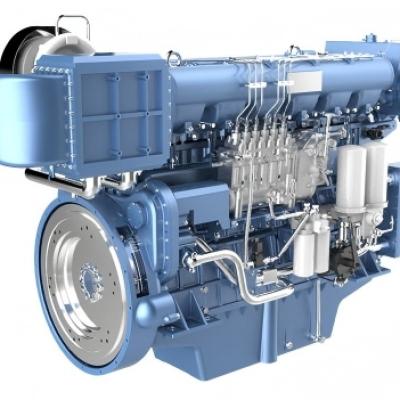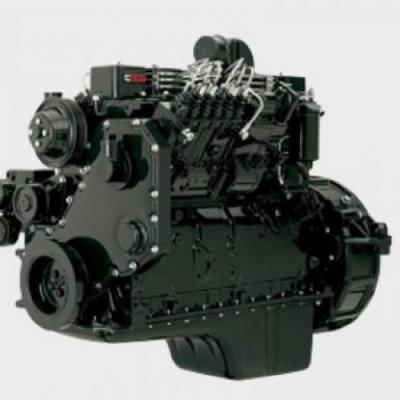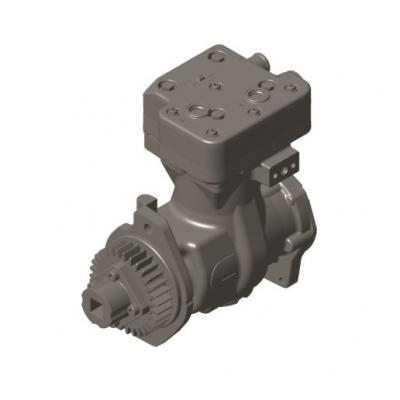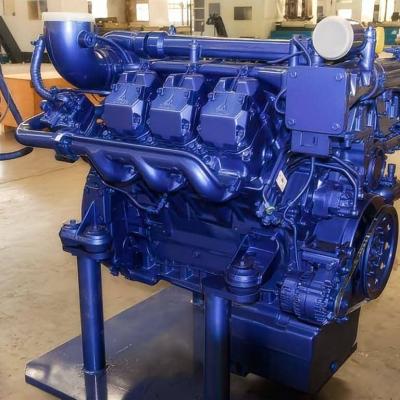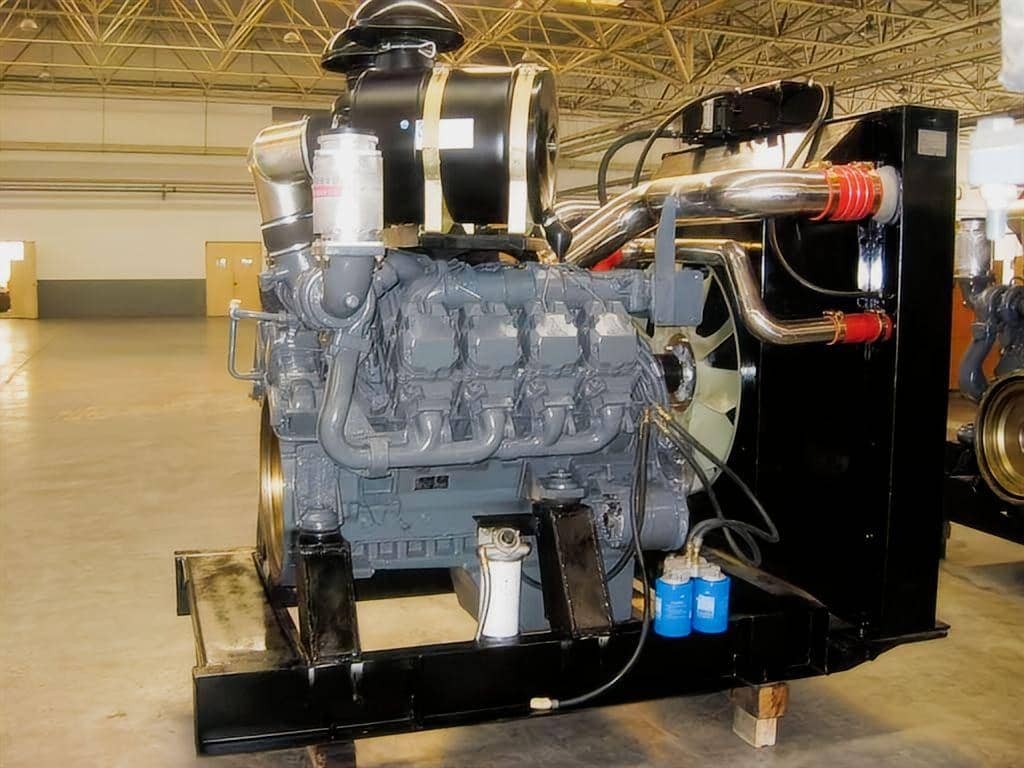
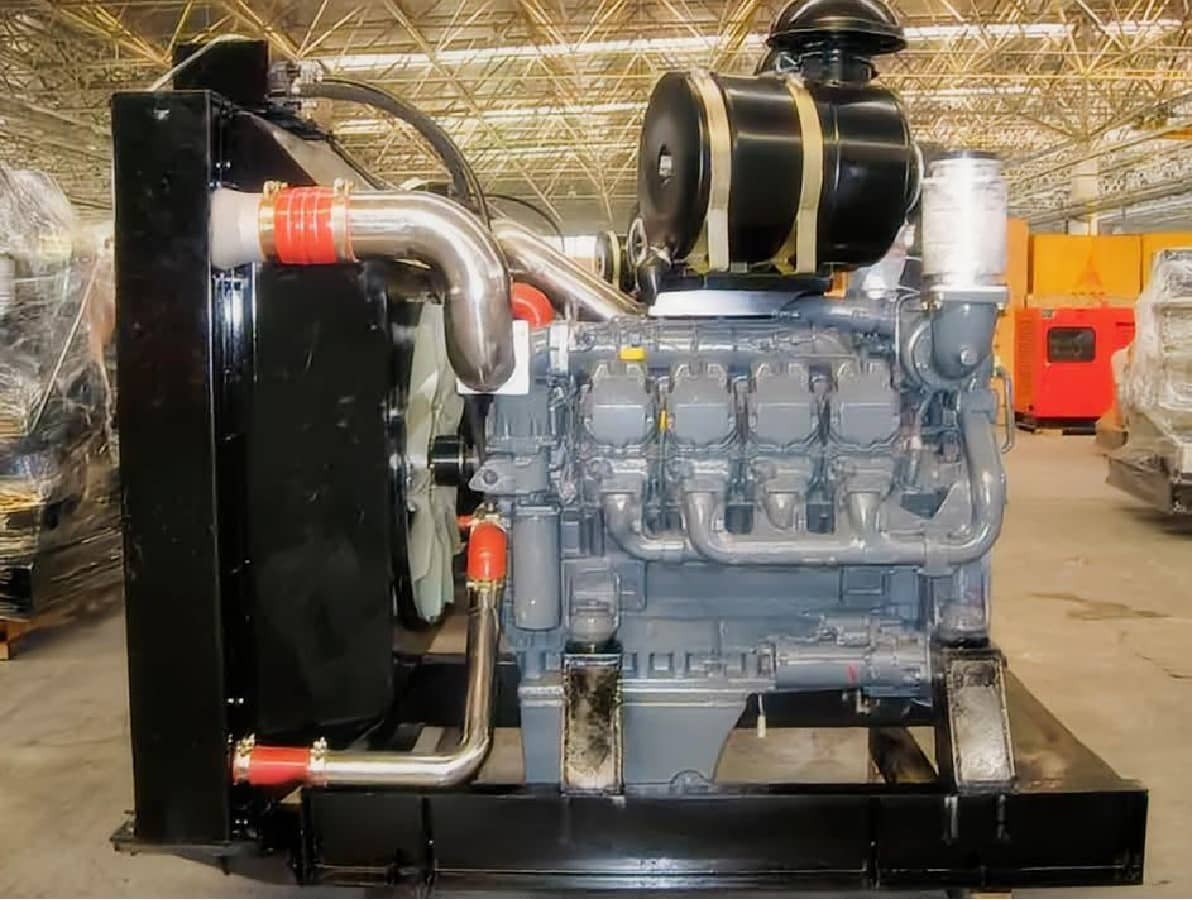
The Deutz BF8M1015CP-G3 (factory designation BF8M1015CP-LA G3) is a liquid-cooled, 15.874-liter 90-degree V8 diesel engine calibrated for 50Hz stationary and containerized power generation. Built under official Deutz AG license by Huachai Deutz, it delivers 458 kW prime power (PRP) and 509 kW standby power (LTP) at a fixed 1500 RPM.
Its CP architecture pairs twin bank-mounted turbochargers and air-to-air charge air cooling with oil-gallery channel-cooled pistons and four-valve crossflow cylinder heads. HekoPower supplies complete, factory dynamometer-tested BF8M1015CP-G3 engine assemblies ready for OEM base-frame mounting and direct coupling with Stamford, Leroy Somer, and Marathon alternators.
Within the 1500 RPM V8 lineup, the BF8M1015CP-G3 bridges the gap between the 448 kW / 490 kW BF8M1015CP-G2 and the higher-boost 477 kW / 530 kW BF8M1015CP-G4. Packagers building 500 kVA prime sets choose the G3 over the G2 to secure extra mechanical reserve for tropical cooling fans and altitude derating without stepping up to the heavier heat-rejection load of the G4 or 560 kW G5.
Unlike standard BF8M1015C models that rely on spray-nozzle piston cooling, the CP designation uses internal piston cooling channels to hold crown temperatures in check during sustained heavy loads. For 60Hz grids running at 1800 RPM, builders should specify the dedicated BF8M1015CP-G3B (500 kW prime) rather than re-tuning a 50Hz G3 assembly.
Buyers sourcing replacement blocks must separate this G3 generator drive from the BF8M1015CP Construction (400–440 kW) and Vehicle (348–400 kW) variants. Those mobile engines run variable-speed curves up to 1900–2100 RPM with peak torque near 1200–1300 RPM, whereas the G3 carries a constant-speed 1500 RPM electronic governing map, stationary sump geometry, and a rigid SAE 1 flywheel housing.
Measured against 15- to 19-liter inline-six generator engines in the same 450 kW bracket, the 1151 mm V8 block cuts base-frame length by roughly 250 to 300 mm. That compact footprint simplifies acoustic canopy packaging and keeps 20-foot ISO container layouts accessible for service technicians.
A frequent sizing mistake is dividing the engine's 458 kW gross flywheel output directly by a 0.8 power factor and assuming it drives a 572 kVA continuous set. Once you deduct pusher-fan parasitic draw (up to 14.1 kW) and alternator efficiency (typically 93 to 94 percent), the BF8M1015CP-G3 cleanly supports a 400 kW / 500 kVA prime and 440 kW / 550 kVA standby 50Hz generating set, commonly paired with a Stamford HCI544D-class alternator.
Across remote quarries, aggregate plants, and off-grid mining camps, the cast-iron V8 handles fluctuating prime loads over extended shifts. Fuel efficiency peaks between 50 and 75 percent rated load, keeping operating fuel burn near 85 to 108 liters per hour depending on site duty, though continuous operation below 30 percent load should be avoided to prevent cylinder glazing and wet stacking.
In hospitals, municipal pumping stations, and commercial backup rooms, pairing the twin-turbocharged V8 with an electronic governor (such as EMR-2 with Deep Sea or ComAp controls) provides stable frequency recovery during abrupt motor starts and ISO 8528-5 block-load transfers.
Verify flywheel coupling geometry before mating the alternator: 50Hz BF8M1015CP-G3 units typically use an SAE 1 housing with a 14-inch drive disk. Check radial and axial runout carefully during retrofit installations to avoid premature rear main seal leaks and bearing wear.
Design enclosure ducting for at least 2,079 m³/h of combustion air intake and hold exhaust backpressure below 5 to 7 kPa so exhaust temperatures stay safely within limits. Do not assume that turning up the electronic speed trim converts a 50Hz G3 into a 60Hz unit; running 1800 RPM safely requires factory 60Hz fuel mapping, cooling airflow matching, and flywheel housing verification.
Maintain the 50-liter lubrication circuit with API CH-4 or CI-4 heavy-duty diesel oil, targeting at least 3.0 bar oil pressure at 1500 RPM (90 °C) and normal oil temperatures below 130 °C. The engine jacket holds roughly 21 liters of coolant before radiator piping, regulated by dual-stage 79 °C / 87 °C thermostats that should be inspected during every 2,000-hour coolant flush.
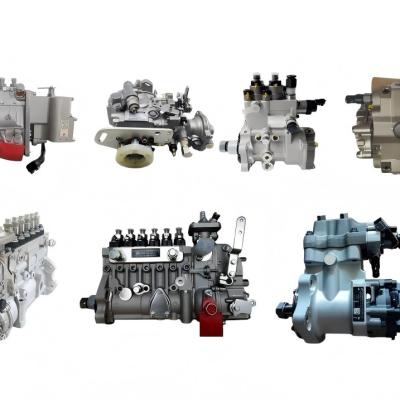
Routine servicing calls for oil and filter changes every 250 to 500 hours depending on fuel sulfur content, plus cold valve clearance checks (0.30 mm intake, 0.50 mm exhaust) at 1,000-hour intervals. Because the BFM1015 platform uses replaceable wet cylinder liners, individual crossflow cylinder heads, and single-cylinder Electronic Unit Pumps (EUP), field crews can replace a faulted pump or service one cylinder bank during 12,000- to 15,000-hour overhauls without pulling a high-pressure common rail assembly.
Within the wider Huachai Deutz BFM1015 generator lineup, the BF8M1015CP-G3 sits in the upper-middle 50Hz V8 tier, bridging 6-cylinder V6 assemblies and higher-output 530–560 kW V8 configurations so OEMs can standardize spare parts across multiple kVA frames.
Deutz BFM1015-Generator Engine Series, original products from Huachai Deutz Engine Plant. This series mainly includes BF6M1015-GA, BF6M1015C-G1A, BF6M1015C-G2A, BF6M1015C-G3A, BF6M1015C-G4A, BF6M1015-GB, BF6M1015C-G1B, BF6M1015C-G2B, BF6M1015C-G3B, BF6M1015CP-G, BF8M1015C-G1A, BF8M1015C-G1B, BF8M1015C-G2, BF8M1015CP-G1A, BF8M1015CP-G1B, BF8M1015CP-G2, BF8M1015CP-G3, BF8M1015CP-G4, BF8M1015CP-G5, BF8M1015CP-G2B, BF8M1015CP-G3B.
At 458 kW prime and 509 kW standby flywheel power (1500 RPM), the BF8M1015CP-G3 is standardly coupled to a 400 kW / 500 kVA prime (440 kW / 550 kVA standby) 50Hz synchronous alternator, such as a Stamford HCI544D or equivalent frame, after accounting for radiator fan draw and alternator efficiency.
Not as a direct drop-in. While the 15.874-liter V8 core casting shares major internal wear parts, construction and vehicle variants use variable-speed 1900–2100 RPM governor maps, different oil pans, and mobile mounting hardware instead of a fixed-speed 1500 RPM electronic governor and SAE 1 genset flywheel housing.
Standard 24V configurations start reliably down to -17 °C without starting aids. For sub-zero standby enclosures or high-altitude winter sites, adding a factory flame preheat plug extends cold-start capability down to -32 °C, and a jacket water heater is recommended for instant emergency load pickup.
Each cylinder has its own cam-driven, electronically controlled unit pump with short high-pressure lines. This layout resists fuel-quality contamination better than high-pressure common rail systems in remote regions and lets mechanics replace a single pump without disturbing the rest of the fuel injection system.