Details
Engineering Excellence and Application Versatility of the Deutz BF6M2012-C Construction Diesel Engine
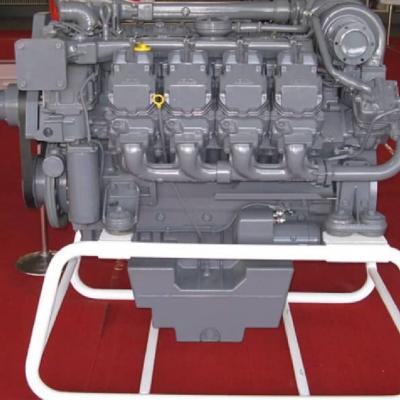
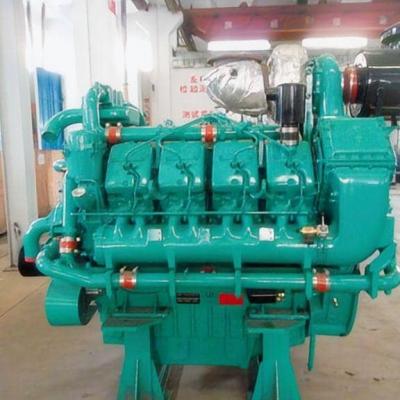
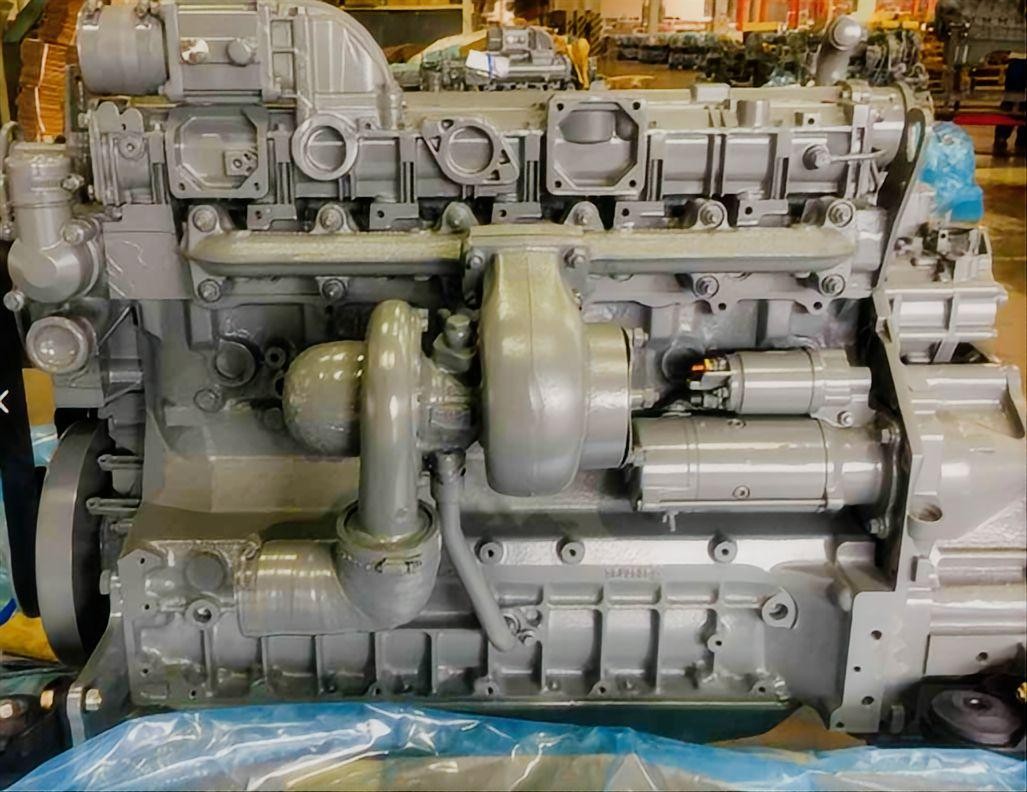
The heavy machinery sector demands power units capable of maintaining peak torque under severe, continuous working cycles. When construction contractors and equipment rebuilders evaluate mid-range power plants, the Deutz BF6M2012-C Construction Diesel Engine consistently emerges as a benchmark for reliability, thermal stability, and mechanical durability. Engineered by Dalian Deutz under strict German specifications, this 6-cylinder powerplant combines advanced electronic unit pump (EUP) fuel injection with an optimized turbocharged and charge-air-cooled layout. As an established global engine supplier, HekoPower provides verified complete engine assemblies designed to minimize equipment downtime and restore original factory productivity to heavy earthmoving machinery.
Tech Specs of Deutz BF6M2012-C
General Engine Data
Engine Model: Deutz BF6M2012-C-Construction Diesel Engine
Type: 6 Cylinders in Line
Displacement: 6.06 L
Bore * Stroke: 101 * 126
Overall Dimension: 998mm*628mm*920mm
Net Weight (with flywheel & alternator): 509 Kg
Key Performance Data
Rated Power: 155 kW
Max. Torque/Speed: 743 N.m @ 1500 rpm
Rated Speed: 2500 rpm
Min Fuel Consumption @ Full Load: 202 g/Kw.h
Idle Speed: 800 rpm
Mean Piston Speed: 10.5 m/s
More Technical Data
Certification: Euro II
Aspiration: Turbocharged & Charge Air Coller
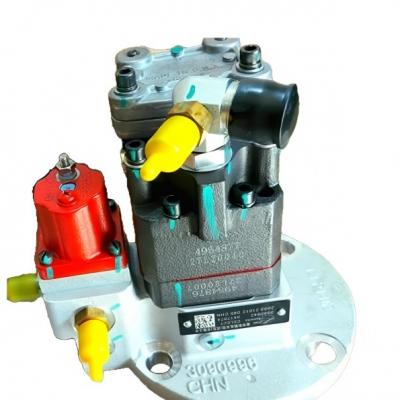
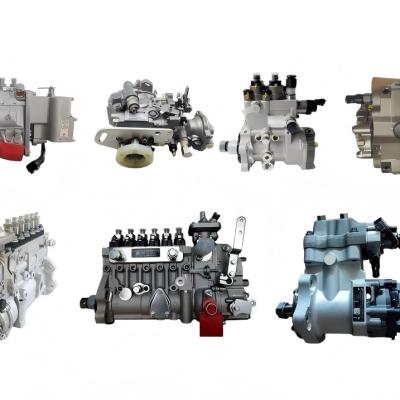
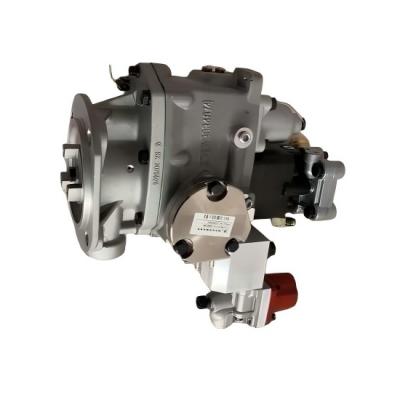
Fuel System: Electronic Unit Pump
Cooling Method: Water Cooled
Electrical System (Starter Motor/Alternator): Electronic Starting (24V)
Compression Ratio: 19:1
Technical Comparisons: BF6M2012-C Versus Standard Mechanical Injection Engines
Understanding the mechanical evolution of the 2012 series requires examining how the BF6M2012-C differs from older mechanical governor engines and lower-tier variants. Traditional mechanical rotary or inline pump engines often struggle with precise fuel metering under transient load shifts, resulting in excessive smoke and delayed throttle response during heavy bucket digging.
In contrast, the BF6M2012-C utilizes an advanced Electronic Unit Pump system that operates at significantly higher injection pressures. This high-pressure atomization ensures complete fuel combustion, yielding a cleaner exhaust profile that complies with stringent emissions standards without sacrificing low-end torque. Furthermore, when compared against smaller 4-cylinder units in the same family, such as the BF4M2012, the 6-cylinder architecture of the BF6M2012-C distributes thermal and mechanical loads more evenly across a longer crankshaft. This structural advantage virtually eliminates torsional vibration fatigue during extended heavy-load operations, resulting in prolonged service intervals and greater structural integrity for demanding construction environments.
Real Application Scenarios in Heavy Construction Machinery
The true measure of an industrial diesel engine lies in its field adaptability. The Deutz BF6M2012-C is engineered specifically to meet the rigorous demands of tracked and wheeled heavy machinery operating in dusty, high-vibration, and high-ambient-temperature job sites.
In medium-to-large wheel loaders, this engine provides immediate torque backup, allowing operators to break through compacted aggregate without stalling the torque converter. The 155kW output delivered at 2,500 rpm matches the hydraulic flow requirements of modern load-sensing pumps, ensuring smooth, simultaneous lift and tilt operations.
For hydraulic excavators in the 20-to-30-ton class, the BF6M2012-C offers exceptional response during swing and trenching cycles. Its compact block design permits integration into tight engine compartments while maintaining adequate clearance for routine filter and belt servicing. Additionally, heavy compaction equipment such as tandem road rollers and soil stabilizers benefit from the engine's steady governor control, which maintains consistent centrifugal force frequencies regardless of rolling resistance variations. Mobile crushing plants and drilling rigs also rely on this unit for continuous, uncompromised power delivery during multi-shift operations.
Maintenance, Troubleshooting, and Crucial Replacement Tips
Maximizing the operational lifespan of a complete engine assembly requires strict adherence to preventive maintenance protocols tailored to the unique design characteristics of the BFM2012 series.
Because the electronic unit pump system relies on precise electrical and mechanical synchronization, fuel quality is paramount. Operators must use multi-stage water-separating fuel filters to prevent particulate abrasion within the high-pressure pump barrels. Water contamination is the primary cause of premature EUP plunger wear.
During routine inspections, check the charge air cooler (intercooler) plumbing and silicone hoses for oil accumulation or pressure leaks. A compromised intercooler hose reduces mass airflow into the combustion chamber, leading to elevated exhaust gas temperatures and carbon buildup on the turbine blades.
When replacing an aging engine with a new HekoPower assembly, technicians must thoroughly flush the external hydraulic oil cooler and transmission heat exchanger. Residual metallic debris from a previous engine failure can quickly contaminate the lubrication circuits of a fresh assembly. Additionally, always verify that the flywheel housing alignment and bell housing runout fall within factory tolerance limits before bolting the transmission to the engine block, ensuring premature rear main seal wear is avoided.
Dispelling Common Product Misconceptions
Several persistent myths surround the Deutz 2012 series that can lead to improper maintenance or incorrect purchasing decisions.
A frequent misconception is that electronic unit pump engines are overly fragile and cannot tolerate field repairs compared to pure mechanical injection systems. While the EUP system requires clean fuel and diagnostic tools for precise timing calibration, its modular design actually allows individual pump units to be replaced without pulling the entire camshaft or timing gear train, significantly reducing field overhaul times.
Another common misunderstanding involves cooling system capacity. Some operators assume that because the engine is water-cooled, standard automotive coolant mixtures are sufficient. Heavy construction engines operating under sustained high loads require heavy-duty diesel engine coolant formulated with Supplemental Coolant Additives (SCA) to prevent liner cavitation and cylinder block pitting.
Series Integration and Model Variants
When sourcing power units for mixed fleet maintenance or specialized equipment modifications, understanding the broader family context is essential. Deutz BFM2012-Construction Diesel Engine Series, original products from Dalian Deutz Engine Plant. This series mainly includes Deutz BF4M2012, Deutz BF4M2012C, Deutz BF4M2012-C, Deutz BF6M2012C, Deutz BF6M2012-C.
Frequently Asked Questions
What specific heavy machinery models utilize the Deutz BF6M2012-C engine?
The BF6M2012-C is widely integrated into mid-sized wheel loaders, crawler excavators, soil compactors, road milling machines, and mobile screening plants produced by major international and regional construction equipment manufacturers.
What emissions standard does the Deutz BF6M2012-C comply with?
The BF6M2012-C is engineered to meet EU Stage II / US EPA Tier 2 emissions regulations, making it highly reliable and adaptable for international markets operating under varied fuel quality conditions.
Why does the BF6M2012-C feature charge air cooling?
Charge air cooling (intercooling) densifies the compressed air entering the combustion chambers, lowering thermal loads, improving volumetric efficiency, and maximizing fuel burn consistency under heavy loads.