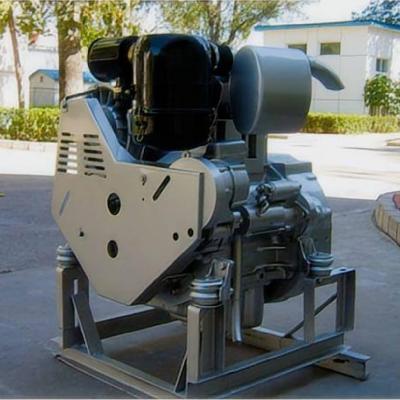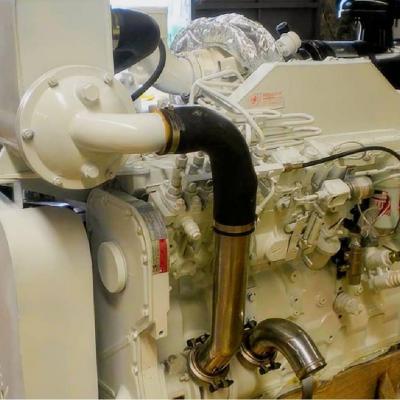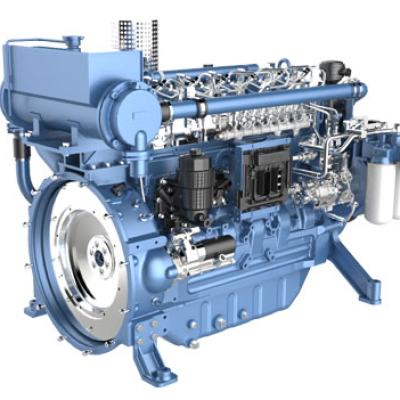
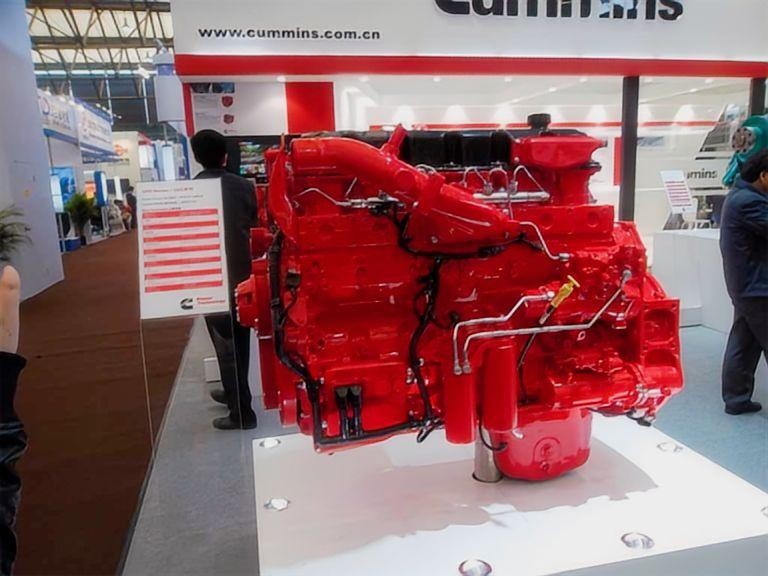
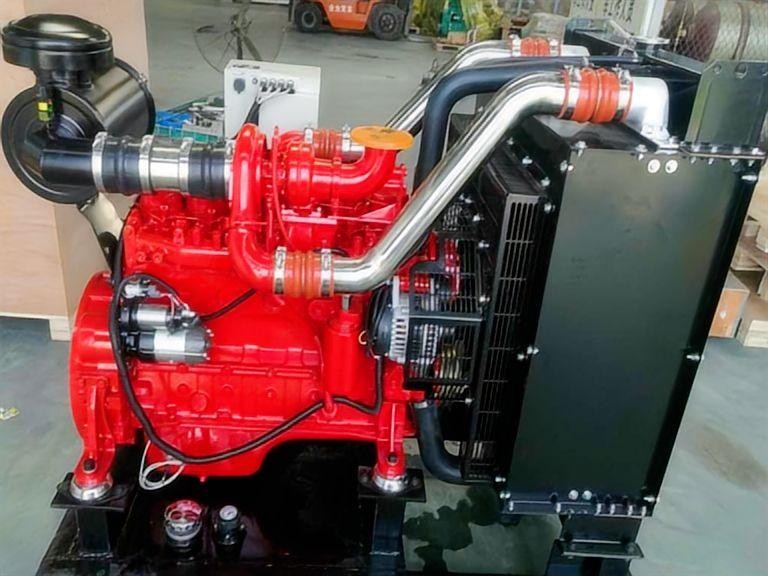
The Dongfeng Cummins QSZ13-G3 is a 6-cylinder, 13.0-liter inline diesel G-Drive engine engineered for heavy-duty power generation applications. Delivering a prime output of 450kW (603HP) at 1500 RPM, this engine serves as the power core for 50Hz commercial, industrial, and standby generator sets. Manufactured by the Dongfeng Cummins Engine Company (DCEC) joint venture, the QSZ13-G3 incorporates modern structural casting and advanced electronic fuel management to achieve high power density within a compact physical footprint.
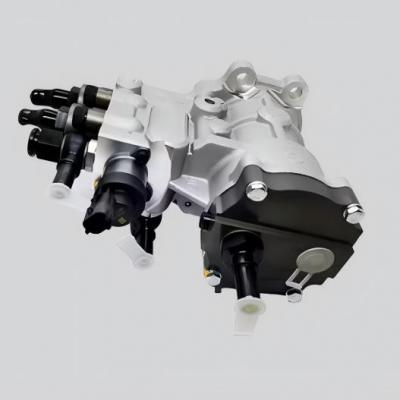
HekoPower supplies complete, original DCEC Cummins QSZ13-G3 engine assemblies to generator manufacturers, equipment distributors, and industrial facilities globally. Each factory-tested unit is shipped as a ready-to-integrate G-Drive assembly, equipped with an electronic control system, engine-mounted fuel pumps, charge-air piping, and heavy-duty cooling fan drives.
Selecting the correct 13-liter engine platform requires understanding the structural and electronic differences between consecutive generator engine generations. The following detailed analysis clarifies performance gains when choosing the QSZ13-G3 over legacy or lower-tier engines.
While both engines belong to the 13.0L DCEC QSZ platform, the primary distinction lies in their power calibration and electronic fuel mapping. The QSZ13-G2 is rated at 400kW prime (450kW standby) at 1500 RPM, whereas the QSZ13-G3 delivers 450kW prime power (500kW standby).
To achieve this 50kW rating increase without compromising engine longevity, the QSZ13-G3 utilizes optimized turbocharger matching with higher boost ratios, alongside adjusted electronic control module (ECM) mapping for the XPI fuel system. The cylinder head casting, crankcase, and connecting rods remain structurally identical across both models, meaning that physical mounting dimensions, radiator connection points, and engine footprint are 100% interchangeable. For generator builders upgrading an existing 400kW enclosure to a 450kW rating, the QSZ13-G3 provides a direct mechanical drop-in solution requiring zero structural modifications.
The comparison between the QSZ13-G3 and the older 6ZTAA13 engine family represents a shift from mechanical/electronic unit pump tech to full high-pressure common-rail control. The 6ZTAA13 series relied on traditional inline fuel pumps or early electronic governors, which resulted in slower governor recovery times during sudden electrical load acceptance.
In contrast, the QSZ13-G3 features the modern Cummins XPI electronic fuel injection system, which operates at pressures exceeding 2000 bar. This drastically improves fuel atomization, lowering brake specific fuel consumption (BSFC) down to approximately 199 g/kW.h at full load. Furthermore, the electronic engine control unit on the QSZ13-G3 communicates directly via CAN bus SAE J1939 protocols, enabling real-time diagnostic reporting to generator controllers (such as Deep Sea or ComAp units). Upgrading from an older 6ZTAA13 engine to a QSZ13-G3 significantly improves frequency stability, cold-start reliability in low ambient temperatures, and exhaust emissions performance.
The structural rigidity and high torque curve of the DCEC QSZ13-G3 make it a versatile prime mover across diverse demanding industries.
Mining operations demand continuous electrical power where grid infrastructure is non-existent. The QSZ13-G3 engine excels in driving 450kW prime generators powering jaw crushers, conveyor systems, and dewatering pumps. Its heavy-duty iron block and steel pistons absorb the mechanical vibrations caused by fluctuating inductive motor loads, while its high ambient cooling design prevents thermal derating at high altitudes and elevated ambient temperatures.
In emergency standby applications, recovery speed is critical. Paired with an automated transfer switch (ATS), a QSZ13-G3 driven generator set reaches rated operating speed and accepts full load within seconds of a utility outage. The high-pressure electronic fuel injection ensures clean combustion on startup, reducing smoke emissions in urban or environmentally regulated commercial districts.
For large-scale infrastructure projects requiring mobile power units, the QSZ13-G3 offers manageable physical dimensions (dry engine weight of approximately 1195 kg) relative to its 603HP output. Its compact profile permits installation inside soundproofed 20-foot power containers without restricting maintenance access to oil filters, fuel separators, and belt tensioners.
Maintaining peak reliability from a high-pressure common-rail 13-liter diesel engine requires adherence to fuel quality standards and operational procedures. Below are field-tested maintenance guidelines and clarifications on frequent industry misconceptions.
The micro-tolerances inside the XPI fuel injectors mean that dirt particles or free water in diesel fuel cause rapid abrasive wear, leading to hard-starting or injector leakage. Always install a primary fuel-water separator with a 10-micron rating alongside a 2-micron secondary engine filter. Never pre-fill replacement fuel filters with unfiltered diesel during routine servicing; unfiltered fuel poured directly into the filter center tube bypasses protection and can destroy the common-rail high-pressure pump.
Use heavy-duty multi-grade engine oil meeting API CK-4 or CJ-4 specifications (such as 15W-40). The QSZ13-G3 crankcase capacity requires adequate oil volume to handle soot suspension. Change oil and filters every 250 to 500 operating hours depending on fuel sulfur content and load profile. Maintain a proper 50/50 ethylene glycol and water coolant mixture containing Supplemental Coolant Additives (SCA) to prevent liner pitting and cavitation corrosion on the wet cylinder liners.
A widespread misconception among plant operators is that running a 450kW generator engine at light load (under 30% of rated capacity) saves fuel and reduces engine wear. In reality, light-load operation causes "wet stacking"—a condition where low cylinder temperatures prevent complete fuel combustion, leading to unburnt fuel leaking past piston rings into the oil sump, carbon build-up on valves, and cylinder wall glazing. If a QSZ13-G3 generator must run on light loads during field operations, execute a periodic load bank test at 80% to 100% capacity to burn off unburnt hydrocarbons and preserve cylinder compression.
When replacing an older 6ZTAA13 or mechanical engine with a new DCEC QSZ13-G3 complete assembly, ensure the generator set’s wiring harness is adapted for the Cummins ECM module. Verify that the radiator cooling package matches the heat rejection ratings of the QSZ13-G3, and ensure the exhaust backpressure does not exceed the maximum allowable limit specified in the factory installation manual.
Selecting the right engine model ensures optimal balance between power output, thermal efficiency, and long-term operating costs. When configuring your power generation equipment or sourcing a replacement unit, comparing specifications across the entire 13-liter product line is recommended.
Cummins QSZ13-G Series, original products from Dongfeng Cummins Engine Plant (DCEC), Cummins Joint Venture Plant since 1986, 50% shareholding by Cummins USA. This series mainly includes QSZ13-G2-400KW, QSZ13-G3-450KW. In accordance with the criteria of Machinery Safety Directive 2006/42, movable elements such as distribution belts, fans, and parts that acquire high temperatures during operation, such as exhaust manifolds, have their respective safeguards. Before being delivered, the generator is thoroughly checked at the factory. Voltage, frequency, and load are all tested, as well as the appropriate operation of warnings and the influence of engine oil temperature on stop.
Every genuine Dongfeng Cummins engine features an engraved metal dataplate on the rocker cover or side of the cylinder block. This plate displays the unique Engine Serial Number (ESN), manufacturing date, power rating, and plant origin code. HekoPower provides verifiable ESNs with every engine shipment, allowing buyers to verify authenticity directly through official Cummins global service databases before delivery.
At a prime load rating of 450kW (1500 RPM, 50Hz), the QSZ13-G3 exhibits high thermal efficiency, with specific fuel consumption averaging approximately 199 g/kW.h at 100% load. Actual hourly consumption ranges between 95 to 105 liters per hour depending on load factor, fuel density, and ambient operating conditions.
The QSZ13-G3 model detailed here is calibrated specifically for 1500 RPM (50Hz) generator applications, delivering 450kW prime power. For 1800 RPM (60Hz) power generation requirements, the ECM requires specific dual-frequency programming or substitution with an 1800 RPM calibrated QSZ13 variant. Contact HekoPower engineering support to confirm speed and governor configurations for your target grid frequency.
HekoPower supplies complete factory-assembled G-Drive power units. A standard complete assembly includes the cylinder block and head, XPI fuel system, turbocharger, starter motor, alternator, electronic engine control module (ECM), wiring harness, oil and fuel filters, water pump, and cooling fan drive. Complete assemblies are export-packaged in heavy-duty wooden crates to prevent transport damage during ocean freight.