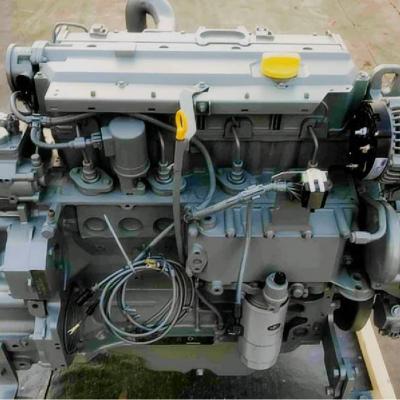
The Deutz BF4M1013FC construction engine is a specialized, heavy-duty variant of the modern water-cooled 4-cylinder in-line engine series. Engineered specifically to tackle the stressful duty cycles of earthmoving and road construction environments, this power unit differs significantly from industrial stationary configurations. Operating at an adversarial rated speed of 2300rpm, it delivers reliable mechanical energy ranging from 118kW to 129kW (158 to 173 HP).
As a specialized engine supplier, HekoPower provides this complete engine assembly as a reliable solution for fleet managers seeking a high-torque drop-in replacement that resists dust, moisture, and intense operational vibrations.
To ensure rapid indexing, the core integration capabilities of this specific 4.76-liter displacement assembly must be highlighted. This section provides the detailed technical context that standard B2B platforms typically omit.
Most standard industrial power packs run at 1500rpm or 1800rpm for generator power. However, the BF4M1013FC mobile machinery engine is engineered to run at 2300rpm. This higher engine speed is necessary to match the peak operational inputs of hydraulic main pumps found in mobile equipment.
At 2300rpm, the engine maintains excellent volumetric efficiency due to its turbocharging system and integrated charge air cooler (CAC). This ensures that the 118kW and 129kW setups do not suffer from thermal fatigue when operating under continuous high load in enclosed engine bays.
A key mechanical differentiator of this construction-spec model is the inclusion of up to three separate mounting options for gear-driven hydraulic pumps. Unlike stationary applications that pull power straight from the flywheel, an excavator or road roller relies on auxiliary power take-off (PTO).
The gear train on the flywheel side is structurally reinforced to drive heavy hydraulic pump assemblies directly. This eliminates external belt drives, reduces systemic friction losses, and significantly shortens the overall installation footprint inside the machine's frame.
While a stationary pump unit handles a static load, the construction variant deals with rapid load fluctuations. The internal components are tailored for this structural variance. The crankshaft features specialized heat-treated counterweights, and the connecting rods are forged steel with tri-metal plain bearings.
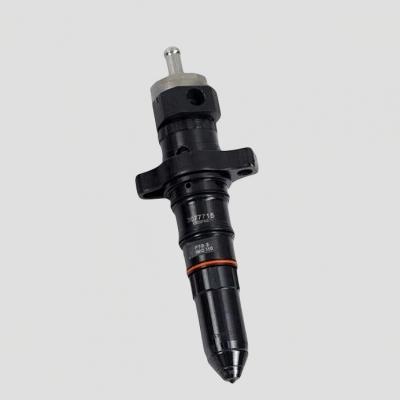
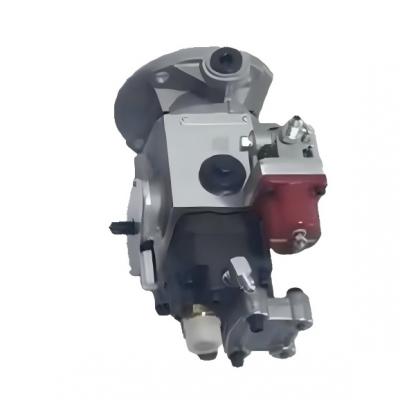
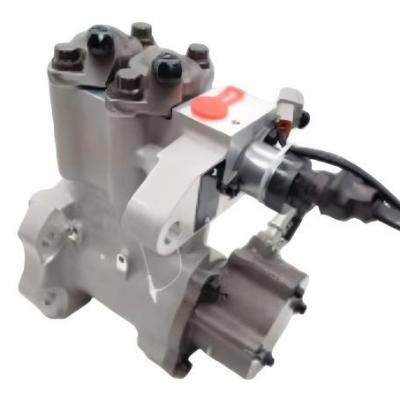
The single injection pumps (one for each cylinder, integrated directly into the crankcase block) deliver precise fuel volumes at high pressure. This mechanical fuel system provides high torque backup (reaching up to 700 Nm at 1400rpm), allowing an excavator to dig through hard strata without the engine RPM bogging down.
The architectural layout of the oiling system further avoids homogeneity across your catalog. The mobile machinery engine utilizes a structural cast-iron oil pan rather than a thin, stamped sheet-metal pan.
This design adds rigid strength to the entire machine chassis, handles steep operational angles without causing oil starvation to the pistons, and provides a barrier against flying stones and debris common to demolition and mining environments.
Understanding the exact physical machine placements helps filter out non-specific traffic while increasing relevance for technical buyers.
In mid-sized crawler excavators, space is limited, and cooling airflow is highly restricted. The water-cooled BF4M1013FC engine balances high power-to-volume ratios with compact exterior dimensions.
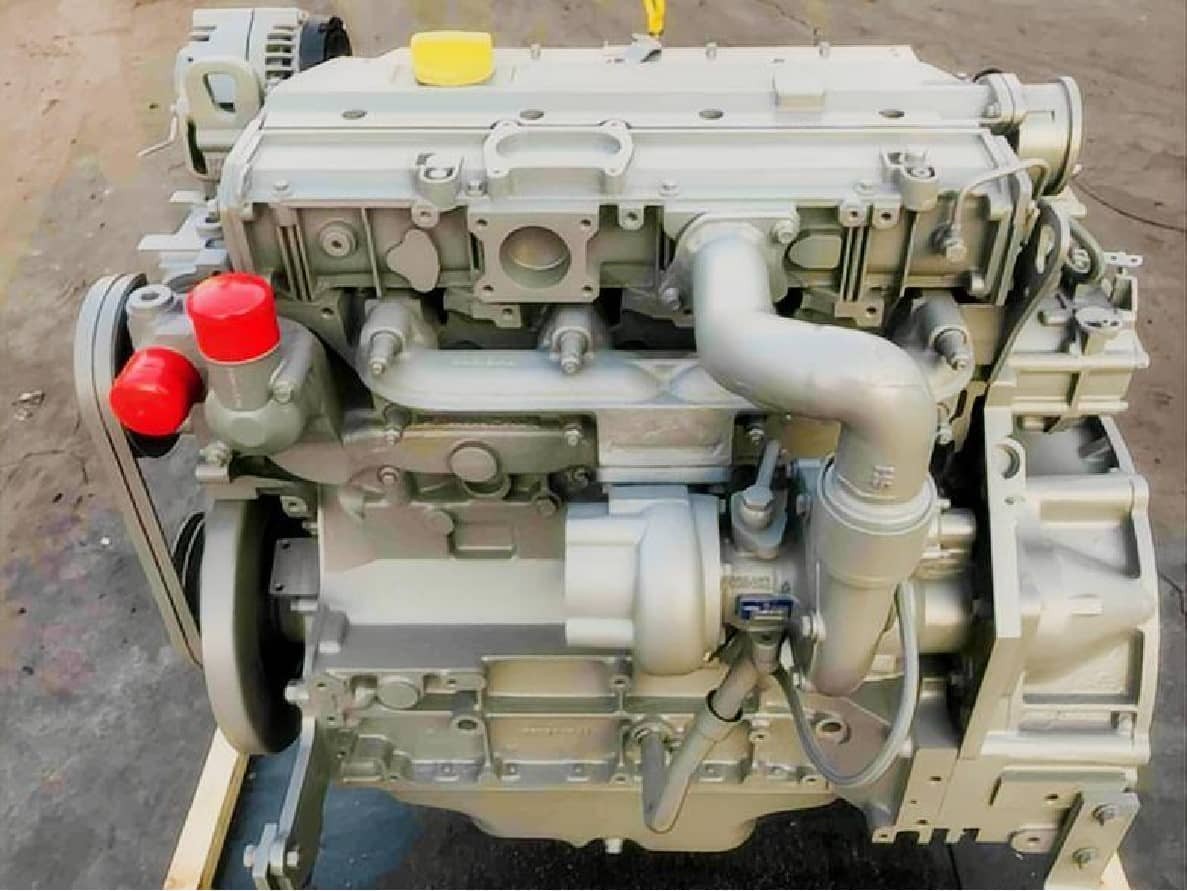
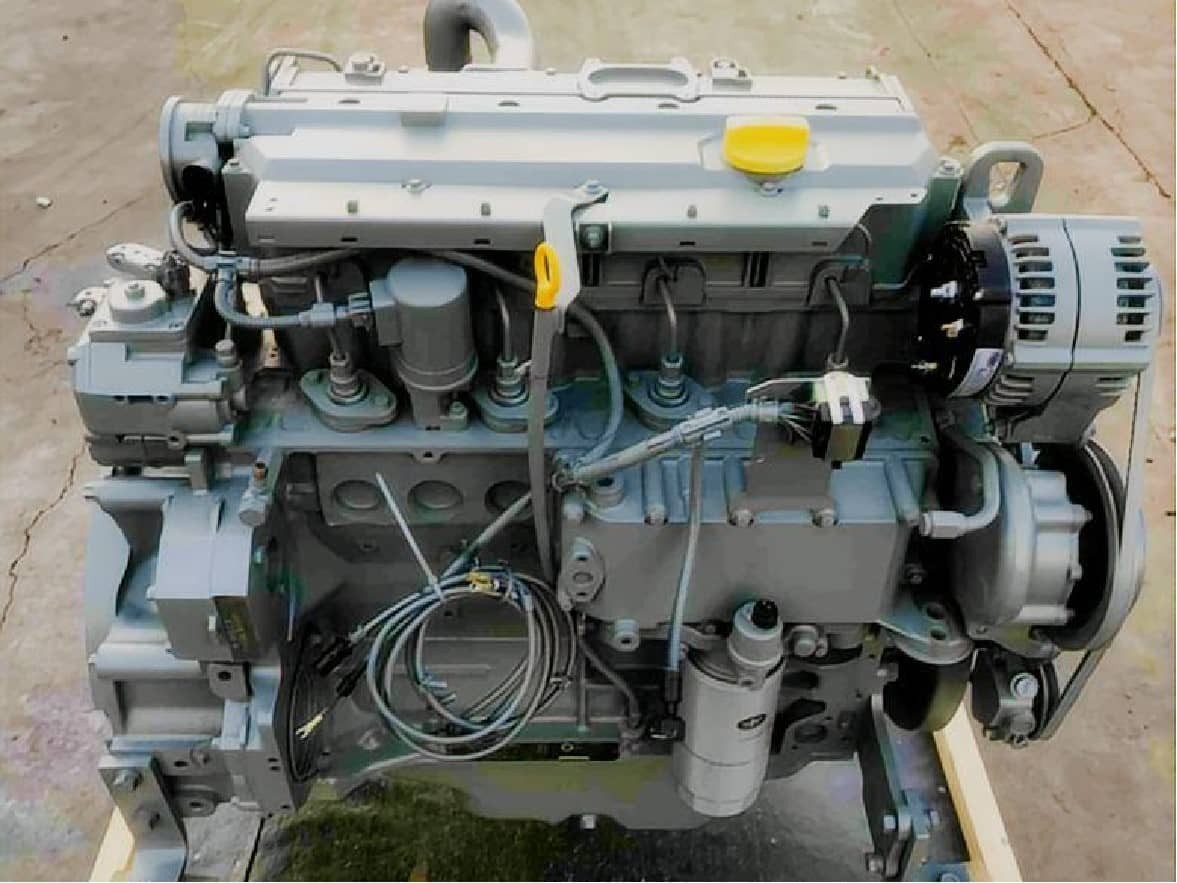
Its design places all major service points—such as the lube oil filter, fuel cartridge, and dipstick—on a single engine side, easing tight engine-bay installations. It acts as an excellent replacement power pack for machinery lines requiring immediate torque responsiveness when the operator demands full stroke from the main hydraulic rams.
Soil compactors and vibratory road rollers place immense structural stress on engine mountings. The engine features a high-rigidity monobloc crankcase design made from high-grade grey cast iron.
By employing exchangeable cylinder liners completely surrounded by directed cooling water flow, the engine eliminates hot spots and thermal distortion caused by the relentless vibrations of compaction drums. This setup ensures long component life even during prolonged subbase compaction shifts.
Asphalt paving requires steady, crawling speed paired with high auxiliary electrical or hydraulic power to run the heated screed plates and material conveyor systems.
The integrated engine cooling package on the 118kW 129kW Deutz engine configurations manages the severe ambient heat surrounding asphalt crews. The engine complies with Tier 2 emission standards, achieving clean combustion through optimized injection nozzle geometries without needing complex electronic after-treatment systems on-site.
Purchasing a complete engine from a China supplier requires straightforward guidance regarding commissioning and part matching to prevent early mechanical failures.
When installing a new complete engine assembly, the first 200 operating hours represent the critical break-in phase. The engine block is shipped without oil from our facility to comply with international freight logistics.
Improper cooling system filling is a primary cause of cracked cylinder heads during early operation. When filling the cooling circuit, loosen the vent plugs on the upper thermostat housing. Add coolant slowly until it flows continuously from the vent holes without air bubbles, then tighten the plugs.
Run the assembly without load for 10 minutes until the thermostat opens fully, then check the fluid levels again. This simple step prevents air pockets from forming around the combustion bowls.
Deutz BFM1013-Construction Diesel Engine Series, original products from Dalian Deutz Engine Plant. This series mainly includes BF4M1013C-115 kW, BF4M1013EC-118KW, BF4M1013FC-129KW, BF6M1013C-170KW, BF6M1013EC-174KW, BF6M1013CP-190KW, BF6M1013ECP-195KW, BF6M1013FC-233KW.
The physical dimensions, block structure, and displacement remain identical at 4.76 liters. The variance lies in the internal calibration of the fuel injection pump plungers and the specific turbocharger trim configuration. The 119kW variant is typically optimized for lighter equipment cycles, whereas the 129kW version targets heavier excavator profiles requiring greater hydraulic lifting capacities.
Yes. Because this engine features a mechanical governor system and individual inline injection pumps, it serves as an excellent retrofitting unit for older machinery. It does not require complex electronic control unit (ECU) wiring harnesses to run, making the physical swap straightforward for mechanical repair shops.
Every complete engine undergoes anti-rust treatment and is sealed in heavy plastic barriers before being secured inside standard export wooden crates. All fluid ports, including the air intake and exhaust manifold connections, are fitted with heavy plastic plugs to prevent moisture intrusion during sea transport.
We strongly advise using genuine or certified OEM replacement parts for all internal components, especially fuel injection nozzles and oil filter cartridges. The high-pressure injection system relies on precise micro-filtering; low-grade aftermarket filters often pass contaminants that can cause premature wear on the single injection pumps.