Details
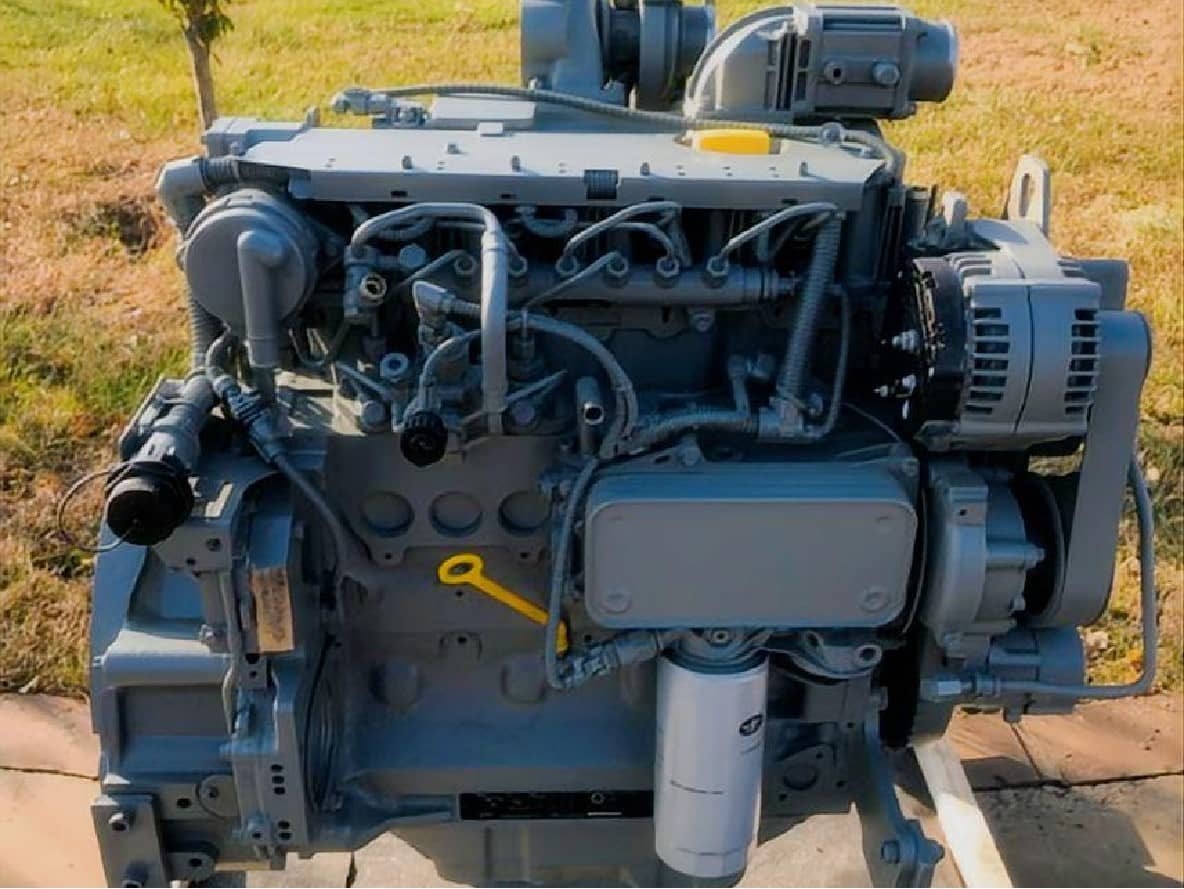
Deutz TCD2012-L4-160.9HP High-Torque Construction Engine
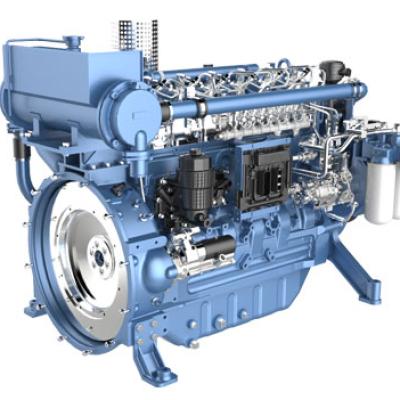
The Deutz TCD2012-L4-160.9HP is a water-cooled, inline four-cylinder off-highway diesel engine calibrated for heavy construction machinery and mobile industrial drives. Built on a 101 mm bore by 126 mm stroke block with turbocharging and charge air cooling, it delivers 120 kW (160.9 HP) at 2100 rpm and reaches 124 kW (166.3 HP) peak output across 1900 to 2100 rpm. Electronic EMR4 common rail injection holds minimum full-load fuel consumption down to 195 g/kW.h while producing 699 N.m of peak torque at 1500 rpm.
Manufactured at Hebei Huabei Diesel Engine Company (Huachai Deutz), Deutz AG's licensed production base in China since 1979, this Euro III configuration integrates an EAT/DPF exhaust layout within a compact 400 kg, 851 mm-long envelope. HekoPower Group supplies brand-new, factory-tested complete engine assemblies directly for OEM equipment production and field repower projects.
Technical Specifications
General Engine Data
- Engine Model:
- Deutz TCD2012-L4-160.9HP
- Type:
- 4 Cylinders in Line
- Displacement:
- 11.906 L
- Bore * Stroke:
- 101*126
- Net Weight (with flywheel and alternator):
- 400 Kg
- Overall Dimension:
- 851mm*617mm*884mm
Key Performance Date
- Rated Power:
- 120 kW/160.9HP
- Rated Speed:
- 2100 rpm
- Max Torque/Speed:
- 699 N.m @ 1500 rpm
- Min Fuel Consumption @ Full Load:
- 195 g/Kw.h
- Idle Speed:
- 600 rpm
- Max. Power/Speed:
- 124kW/166.3HP @ 1900-2100 rpm
More Technical Data
- Certification:
- Euro III
- Aspiration:
- Turbocharged & Charged Air Cooling
- Fuel System:
- Common Rail Injection System, EMR4
- Cooling Method:
- Water Cooled
- Exhaust System:
- EAT/DPF
- Electrical System (Starter Motor/Alternator):
- Electronic Starting (12V/24V)
- Compression Radio:
- 18.1:1
How the 160.9HP Rating Compares Across the TCD Lineup
Within the four-cylinder TCD2012-L4 family, the 160.9HP build behaves very differently from the 138HP (103 kW) rating. Where the 138HP unit climbs to 2400 rpm and generates roughly 520 N.m for lighter utility machinery, this 120 kW variant reaches rated power 300 rpm lower at 2100 rpm while pushing 699 N.m at 1500 rpm. That higher torque reserve lets hydraulic excavators and rollers recover quickly under bucket or drum spikes without dropping into low-speed lugging.
Stepping up to a six-cylinder TCD2012-L6 (208HP or 252.1HP) adds over 230 mm in engine length and 110 to 220 kg in net weight. When a machine hood cannot accommodate a meter-long block or axle-load limits rule out a six-cylinder install, the 851 mm TCD2012-L4-160.9HP fills the gap between compact four-cylinder drives and heavier six-cylinder units. It also shares its 101 mm by 126 mm inline-four installation footprint and EMR4 architecture with the TCD4.1-L4 line, setting it clearly apart from legacy mechanical-pump BF4M2012C engines that lack electronic CAN-bus control.
Field Applications and Load Behavior
This rating matches the hydraulic and traction demands of 18 to 22 tonne excavators, 12 to 16 tonne vibratory road rollers, medium wheel loaders, mobile cranes, bulldozers, heavy off-road trucks, high-head dewatering pumps, and skid-mounted industrial power packs. Because peak power stays flat between 1900 and 2100 rpm and torque crests at 1500 rpm, variable-displacement axial-piston pumps can operate comfortably in the 1500 to 1900 rpm working band, trimming fuel burn and cabin noise during part-load trenching or grading cycles.
Dual-end power take-off capability at both the flywheel and front crankshaft end, paired with auxiliary gear-driven PTO positions, simplifies driving steering pumps, cooling fans, or air compressors alongside the primary hydrostatic transmission. One frequent misconception is treating this 120 kW construction unit as a direct fit for a constant-speed 1500 rpm generator set. Off-highway EMR4 fuel maps and EAT/DPF thermal management are tuned for variable-speed transient loads; running a construction calibration under steady light-load genset duty causes poor step-load frequency stability and accelerated particulate filter soot accumulation.
Servicing Intervals and Repower Integration Notes
Under normal dust and fuel conditions, the four-cylinder platform supports 500-hour or annual oil change intervals with an approximate 10-liter crankcase fill depending on the sump configuration. Always specify low-ash DEUTZ DQC III or DQC IV lubricants and clean low-sulfur diesel whenever an EAT/DPF exhaust system is installed, backed by a dual-stage water-separating pre-filter and fine main fuel filter to protect high-pressure common rail injectors. Internal engine-block coolant capacity is roughly 5.6 liters before adding machine radiator and heater circuits, so verify charge-air cooler pressure drop and fin cleanliness regularly to avoid EMR4 thermal derates.
Another common repower mistake is assuming the 160.9HP engine bolts straight into a bay previously occupied by a 138HP TCD2012-L4 or mechanical BF4M2012C without auxiliary updates. Higher continuous heat rejection requires confirming radiator core capacity, while the fuel-cooled EMR4 controller demands matching J1939 CAN-bus wiring, exhaust sensor feedback, and the correct 12V or 24V electrical system. Before finalizing a replacement assembly, cross-check flywheel housing size (commonly SAE 3), structural versus non-structural oil pan mounts, and PTO gear interfaces against the existing chassis.
Deutz TCD-Construction Diesel Engine Series
Positioned as the high-output four-cylinder option in HekoPower's Huachai Deutz construction portfolio, the TCD2012-L4-160.9HP bridges entry-level 138HP four-cylinder machines and larger six-cylinder TCD2012-L6, TCD6.1-L6, and V-configuration TCD2015 assemblies.
Deutz TCD-Construction Diesel Engine Series, original products from Huachai Deutz Engine Plant. This series mainly includes TCD2015V06, TCD2015V08, TCD2012-L4 (138HP), TCD2012-L4 (160.9HP), TCD4.1-L4, TCD2012-L6 (208HP), TCD2012-L6 (252.1HP), TCD6.1-L6.
Frequently Asked Questions
How does the Deutz TCD2012-L4-160.9HP differ from the 138HP version?
The 160.9HP configuration produces 120 kW at 2100 rpm (124 kW peak) and 699 N.m at 1500 rpm using EMR4 common rail control, compared with 103 kW at 2400 rpm and roughly 520 N.m on the 138HP build. It delivers stronger low-end hydraulic pull and lower rated operating speed inside a similar four-cylinder envelope.
Can the TCD2012-L4-160.9HP directly replace a mechanical Deutz BF4M2012C?
Not without electrical and cooling modifications. Although core block dimensions are close, the TCD2012-L4-160.9HP relies on an electronic EMR4 engine control unit, common rail fuel plumbing, J1939 harness signals, EAT/DPF exhaust routing, and higher radiator heat rejection than a mechanical-governor BF4M2012C.
What oil and fuel standards are required for the EMR4 and EAT/DPF package?
Use low-ash engine oil meeting DEUTZ DQC III or DQC IV specifications on a 500-hour service cycle to prevent premature DPF ash buildup. Pair this with clean, low-sulfur diesel filtered through both a water-separating pre-filter and fine main filter to protect the common rail injectors.
Which fitment details must be verified before ordering a replacement assembly?
Confirm your machine's electrical voltage (12V or 24V starter and alternator), flywheel housing and flywheel coupling specification (typically SAE 3), oil pan geometry, cooling fan drive height, and EMR4 connector pinout to ensure the complete assembly aligns with existing chassis mounts and hydraulic pumps.