Details
Engineering Architecture and Performance Profile of the Deutz BF6M1015GCP
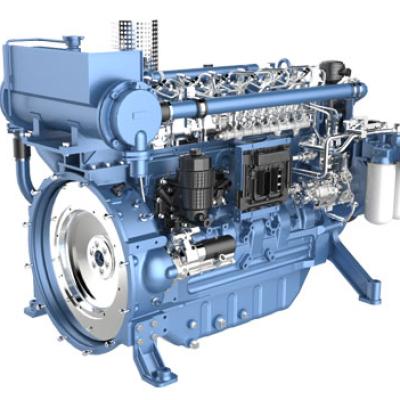
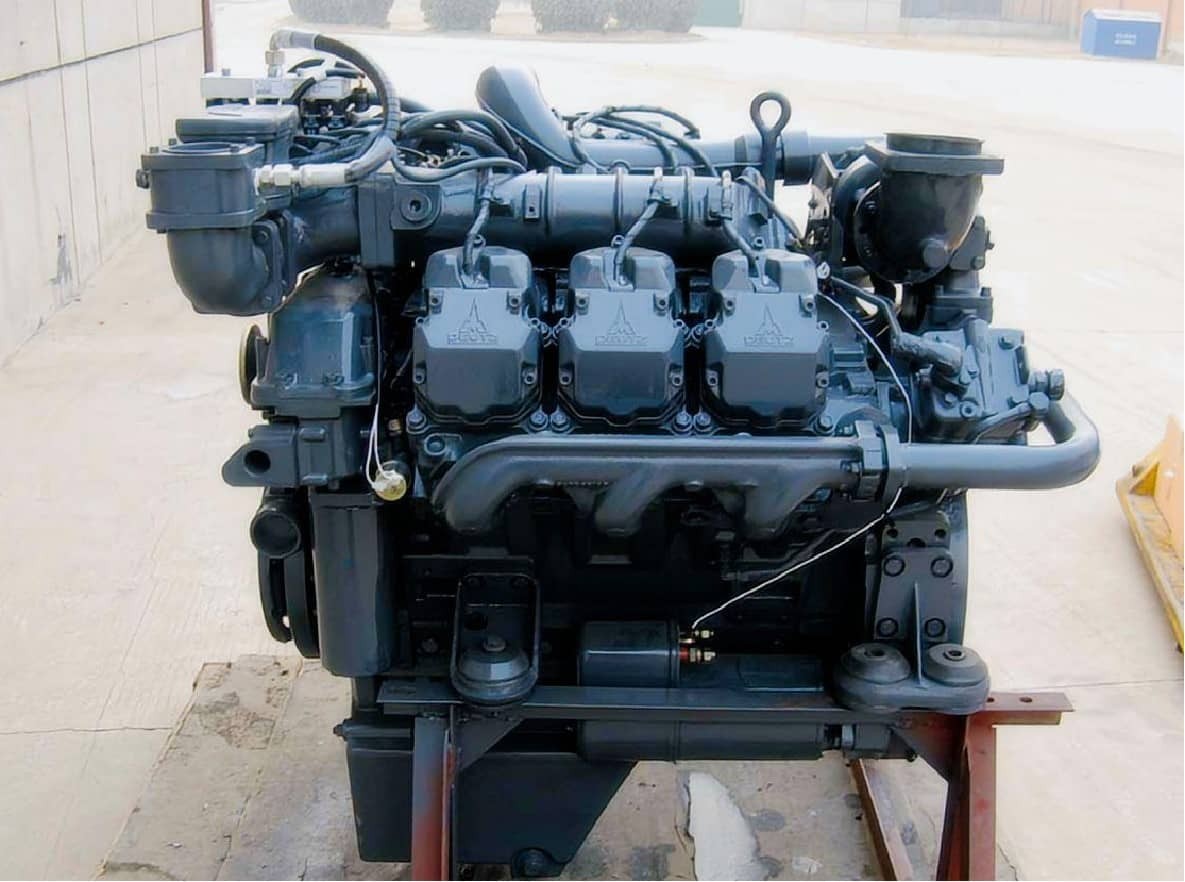
The Deutz BF6M1015GCP stands as a premier benchmark in heavy-duty commercial vehicle propulsion, engineered specifically to address the demanding torque and thermal constraints of long-haul transport and heavy vocational vehicles. Displacing 11.906 liters across a robust six-cylinder configuration, this engine utilizes a precise 132mm bore and 145mm stroke architecture. Unlike standard industrial or generator variants of the BFM1015 series, the GCP vehicle specification is precision-tuned to deliver a rated output of 279kW (approximately 379 horsepower) at a governed 2100 RPM, maintaining peak efficiency under fluctuating highway and vocational load conditions.
Tech Specs of Deutz BF6M1015GCP
General Engine Data
Engine Model: Deutz BF6M1015GCP-Vehicle Diesel Engine
Type: 6 Cylinders, V Type
Displacement: 11.906 L
Bore * Stroke: 132 * 145
Net Weight (with flywheel and alternator): 850 Kg
Overall Dimension: 1043mm*932mm*1174mm
Key Performance Data
Rated Power: 279 kW (379 HP)
Rated Speed: 2100 rpm
Max. Torque/Rated Speed: 1650 N.m @ 1300 rpm
Idle Speed: 600 rpm
Min. Fuel Consumption @ Full-load: 205 g/Kw.h
More Technical Data
Certification: Euro II
Aspiration: Turbocharged
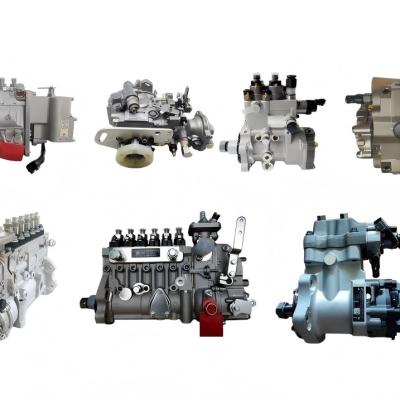
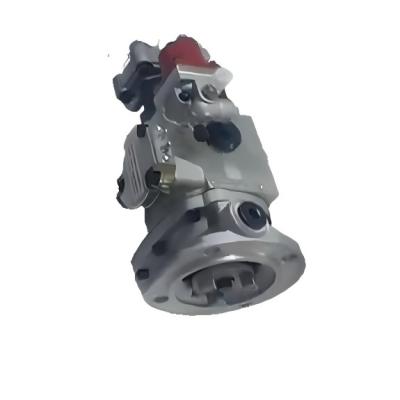
Fuel System: Direct Injection Pump
Compression Ratio: 17:1
Starting System: Electronic Starting (24V/6.6 kw)
Cooling Method: Water Cooled
Alternator: 3 phrase, 28V/55A
Deep-Dive Technical Comparison within the BFM1015 Family
When evaluating the BF6M1015GCP against its sibling variants like the standard BF6M1015CP or marine configurations, several distinct engineering divergences emerge. While standard construction or generator variants prioritize continuous prime power delivery at fixed rotational speeds, the GCP variant is optimized for variable-speed automotive applications. It delivers a maximum torque output of 1650 Nm at a remarkably low 1300 RPM. This wide elastic torque band allows heavy commercial trucks to maintain momentum on steep inclines without excessive gear shifting. Furthermore, the integration of an optimized turbocharger matched with an efficient intercooler configuration guarantees lower intake temperatures, directly reducing thermal stress on the cylinder heads compared to older mechanically governed models in the same displacement tier.
Common Misconceptions Regarding V6 Power Outputs and Fuel Consumption
A prevalent misconception among fleet operators is that a high-horsepower 11.9L vehicle engine inherently compromises fuel economy for raw output. In the case of the Deutz BF6M1015GCP, advanced fuel injection pump calibrations achieve a minimum specific fuel consumption rate hovering around 205 g/kWh under optimal load envelopes. Because the peak torque arrives early at 1300 RPM, drivers do not need to push the engine into high-rev ranges to achieve acceleration, which preserves fuel efficiency and dramatically extends the operational lifespan of internal components such as pistons, liners, and bearings during long-distance transits.
Real-World Application Scenarios in Heavy Commercial Transport
The operational habitat of the Deutz BF6M1015GCP spans heavy-duty multi-axle trucks, long-distance luxury coaches, and specialized municipal utility vehicles. In long-haul tractor units operating across diverse topography, the engine responds instantaneously to throttle demands thanks to its direct-acting fuel injection system and high-pressure turbocharging loop. For instance, when installed in heavy transit coaches navigating mountainous routes, the robust water-cooled system and integrated oil cooling galleries prevent thermal runaway during sustained retarder usage or prolonged climbs. Its compact V6-style inline envelope allows chassis manufacturers to optimize weight distribution over the front axle while retaining the structural rigidity required for high payload capacities.
Professional Maintenance, Servicing, and Replacement Guidelines
Achieving the expected multi-thousand-hour service life of a Deutz BF6M1015GCP engine assembly requires strict adherence to specialized maintenance protocols. Because vehicle-grade diesel engines undergo frequent thermal cycling, routine inspection of the charge-air cooler piping and the integrity of the exhaust gas recirculation components is paramount. When executing a complete engine replacement or a major top-end overhaul, technicians must verify that the flywheel housing alignment matches transmission bell-housing tolerances precisely to prevent torsional vibration fatigue on the crankshaft. Oil and filter change intervals should be rigorously maintained using high-grade heavy-duty diesel engine oils conforming to Deutz proprietary fluid specifications, preventing soot accumulation in the high-pressure fuel injection components.
Deutz BFM1015-Vehicle Diesel Engine Series, original products from Huachai Deutz Engine Plant. This series mainly includes BF6M1015-Vehicle Diesel Engine, BF6M1015C-Vehicle Diesel Engine, BF6M1015CP-Vehicle Diesel Engine, BF6M1015GCP-Vehicle Diesel Engine, BF8M1015C-Vehicle Diesel Engine, BF8M1015CP-Vehicle Diesel Engine.
Frequently Asked Questions About the BF6M1015GCP Engine
What vehicle transmission types are natively compatible with the Deutz BF6M1015GCP?
The BF6M1015GCP features a standardized SAE flywheel housing and flywheel configuration designed to interface smoothly with heavy-duty manual and automated mechanical transmissions commonly utilized in 40-ton commercial trucks and heavy coaches, minimizing custom adapter plate requirements during repowering projects.
How does the cooling system configuration handle extreme ambient temperatures?
The engine employs a heavy-duty, high-capacity centrifugal water pump coupled with an optimized internal coolant distribution gallery that directs flow preferentially toward high-thermal-load areas around the valve bridges and combustion chamber decks, ensuring stable operating temperatures even in tropical or desert operating environments.
What are the primary diagnostic indicators that the fuel injection pump requires calibration?
Noticeable symptoms include black smoke emission under initial load, sluggish throttle response at 1300 RPM, and irregular idle stability. Regular calibration on a specialized test bench ensures that injection timing remains synchronized with the engine control parameters.