Details
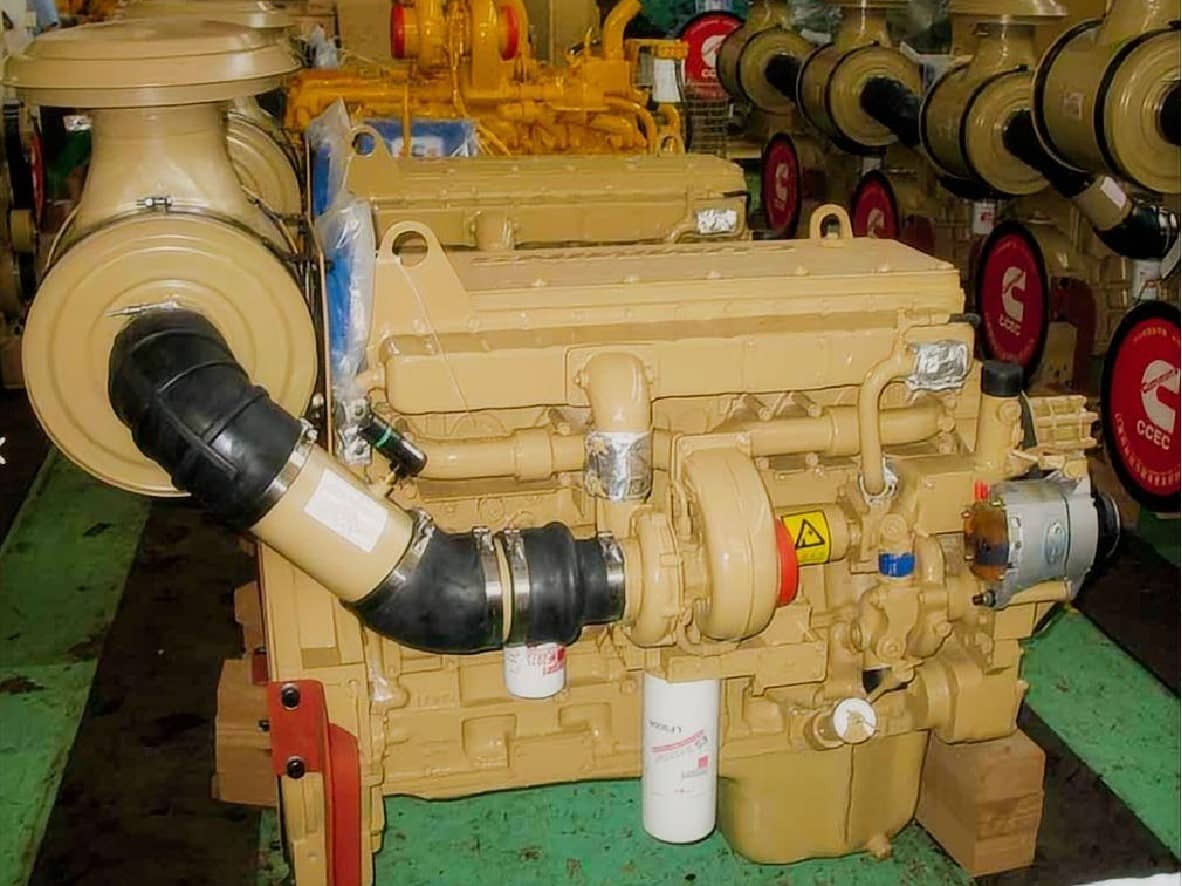
CCEC Cummins MTAA11-G2 G-Drive Diesel Engine (50Hz / 1500RPM)
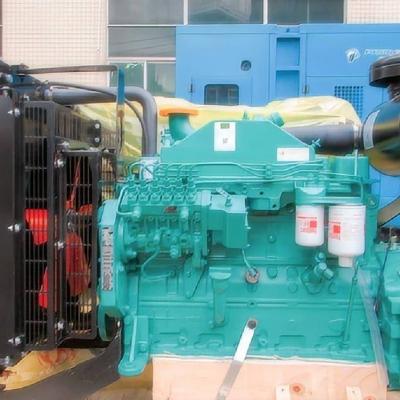
The CCEC Cummins MTAA11-G2 is a 10.8L, 6-cylinder in-line, four-stroke G-drive diesel engine designed specifically for stationary generator drive applications. Operating at a governed speed of 1500RPM, this turbocharged and charge-air-cooled power unit delivers a rated prime power output of 224kW (282.2 kVA) and a standby power rating of 246kW, making it a highly reliable prime and backup power choice for international 50Hz electricity grids.
Tech Specs of Cummins MTAA11-G2 50HZ
General Engine Data
Engine Model: Cummins MTAA11-G2-50HZ
Type: 6 Cylinders in Line, 4 Stroke Diesel
Displacement: 10.8 L
Bore * Stroke: 125 * 147
Net Weight: 1007 Kg
Overall Dimension: 1306mm*914mm*1280mm
Key Performance Data
Rated Power, Standby Output: 224 kW, 246 kW
Rated Speed: 1500 rpm
Low Idle Speed: 675-750 rpm
Fuel Consumption @ Rated Power: 188 L/Kw.h
Max. Running Altitude: 1500 m
More Technical Data
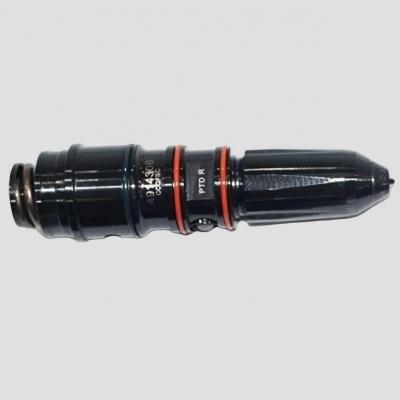
Fuel System: Cummins PT Pump, Direct Injection
Aspiration: Turbocharged/Charge Air Cooled
Compression Radio: 16.1:1
Lowest Starting Temp (Without auxiliary system): -12℃
Cooling Method: Water Cooled
Governor Type: Mechanical Control, ≤ 5%
Engine Coolant Volume: 9.5 L
Electrical System (Starter Motor/Alternator): 24V
Main Features of the Cummins MTAA11-G2 G-Drive Engine
1500RPM Operation for 50Hz Power Systems
The MTAA11-G2 is calibrated for 1500RPM applications, making it suitable for regions using 50Hz electrical standards, including Southeast Asia, the Middle East, Africa and South America. Stable rotational speed helps maintain generator frequency consistency during fluctuating electrical loads.
Turbocharged Air Handling System
The engine adopts a turbocharged air intake configuration to improve combustion efficiency and power density. Compared with naturally aspirated generator engines, turbocharged M11 series engines typically demonstrate better altitude adaptability and more stable output performance under high ambient temperatures.
Heavy-Duty Cylinder Block Structure
The M11 platform is known for its rigid block structure and durable internal components. This design reduces vibration during continuous operation and supports longer maintenance intervals under industrial working conditions.
Compatibility with Multiple Generator Configurations
The Cummins MTAA11-G2 engine can be matched with Stamford, Leroy Somer, Marathon and other alternators commonly used in export generator projects. This flexibility simplifies genset integration for OEM manufacturers and EPC contractors.
Technical Comparison
Understanding the Difference Between Cummins MTAA11-G2 and MTAA11-G3
While both units share a 10.8L displacement block, a common bore and stroke of 125mm x 147mm, and a standard 9.5-liter engine coolant volume, they serve different power bands.
The MTAA11-G2 uses a higher 16.1:1 compression ratio optimized to deliver a highly efficient 224kW prime output. The MTAA11-G3 alters internal cylinder dynamics and compression to drop to 15.0:1, allowing higher turbocharger boost pressures that scale the rated power up to 282kW.
Using a G3 engine where a 224kW load profile is required causes chronic underloading. This underloading lowers operating temperatures below optimal thresholds, leading to carbon build-up on the fuel injectors.
Grid Frequency Synchronization: 1500RPM vs. 1800RPM
The MTAA11-G2 model designation changes its underlying profile based on target utility grid requirements. For European, Asian, and African 50Hz networks, the engine must operate strictly at 1500RPM to align with standard 4-pole alternator configurations.
Running the same physical block on a 60Hz grid requires re-governing the system to 1800RPM. This shifts the internal timing mechanics, scaling the nominal output profile up to 283kW due to the increased frequency of power strokes per minute.
Real-World Application Scenarios and Genset Integration
As a dedicated industrial power engine supplier, HekoPower optimizes the MTAA11-G2 assembly for direct integration into standard 250kVA generator sets. The mechanical footprint and transient load capacities make this engine model highly effective across diverse commercial installations.
Critical Infrastructure and Standby Power for Data Centers
Data center uptime relies heavily on the rapid transient block load capacity of the engine. The MTAA11-G2 utilizes a dedicated mechanical governor with a steady-state speed droop of less than 5%. When a utility grid failure occurs, the integrated Holset turbocharger responds rapidly to massive voltage steps, ensuring the alternator maintains a clean sine wave without damaging downstream server racks.
Emergency Power Systems for Hospitals
Medical environments require continuous, uninterrupted backup power. The 24V electrical starter motor system paired with an integrated Step Timing Control (STC) system guarantees dependable cold-soak starting down to -12°C without auxiliary heating. This ensures that facility transfer switches can bring emergency operating rooms to full operational power capacity in under 10 seconds.
Telecom Backup Power and Remote Infrastructure
For telecom network hubs located in remote, unmanned regions, long-term structural reliability is mandatory. The M11 engine's built-in pressure lubricating oil passages eliminate external lines that are prone to cracking or leaking over time. This configuration extends the safe, unattended operational intervals of backup power systems out in remote environments.
Industrial Operations: Mining and Construction Projects
Heavy dust and volatile load variables common in open-pit mining operations degrade standard consumer-grade engines rapidly. The alloy cast iron block design of the MTAA11-G2 provides structural stiffness that minimizes internal component vibration under high-torque strains. This heavy-duty construction protects the internal bearing housings during extended, punishing shifts on construction sites.
Maintenance Protocols and Replacement Tips
Maintaining the factory-rated efficiency of the Cummins M11 series generator engine requires regular, structured physical inspections and matching components exactly to original CCEC engineering clearances.
Managing Cummins MTAA11-G2 Fuel Consumption
Fuel consumption at rated prime power averages 188 grams per kilowatt-hour (188 g/kW·h), which translates roughly to an hourly consumption rate of 52 to 55 liters depending on the alternator efficiency profile.
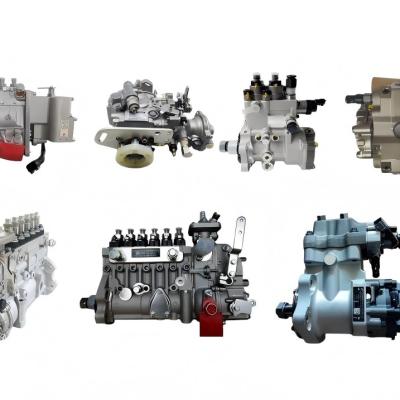
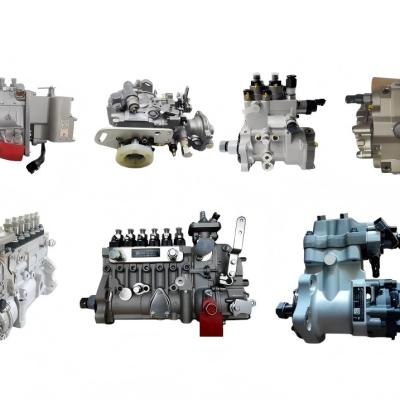
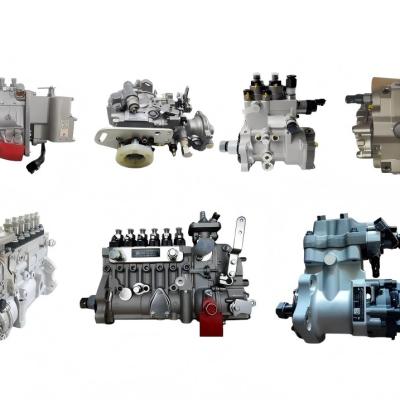
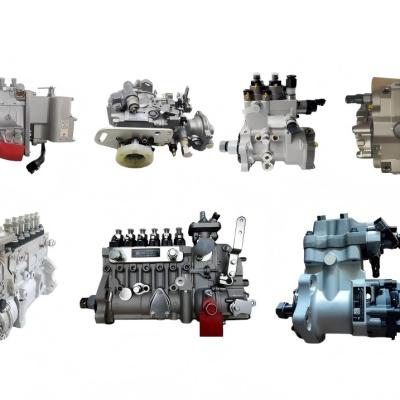
If your fuel burn rate spikes unexpectedly without a corresponding increase in electrical load, inspect the Cummins PT (Pressure-Time) fuel pump assembly immediately. The PT system relies entirely on mechanical fuel restriction and precise time windows to inject fuel. Wear inside the pump gear train alters this injection duration, leading to over-fueling, excessive black exhaust smoke, and unburned fuel bypass.
Cylinder Liner and Top-End Maintenance
The MTAA11-G2 features field-replaceable wet cylinder liners. This design accelerates major overhaul timelines because technicians can pull worn liners directly from the top deck without removing the entire engine block from the generator chassis mounting rails.
During mid-life inspections, check for cavitation pitting along the exterior walls of the liner. If left unchecked, liner pitting can cause cooling fluid to breach the crankcase seals, diluting the engine oil and wiping out the main crankshaft journals.
Genuine Cummins Parts Support and Critical Component Sourcing
To protect long-term equipment assets, always source verified CCEC replacement components. Standard high-wear parts must match these specific part numbers:
- Camshaft Bushings: Part Number 3820566 (Ensures exact valve train timing alignment).
- High-Volume Oil Pump Assembly: Part Number 4003950 (Maintains vital oil pressure across the turbo bearing lines).
- Electronic Pressure Sensors: Part Number 4921477 (Provides reliable telemetry data to control panels).
Logistics, Global Shipping, and Procurement Framework
HekoPower manages the entire logistical chain from the factory assembly floor to the final point of delivery, ensuring all heavy industrial freight requirements are met.
Factory Testing Procedures
Every single engine assembly undergoes testing on a hydraulic dynamometer before final preservation coating and export packaging. This testing process verifies fuel curve compliance, checks oil pressure stability across hot and cold cycles, and tests transient speed governor response times against strict ISO 8528 G3 standards.
Heavy Freight Preservation and Shipping Specifications
The raw, dry weight of the engine unit sits at approximately 940 kg, scaling up to a gross weight of 1150 kg once fully crated for ocean transport.
- Net Unit Dimensions: 1306 X 914 X 1280 mm
- Standard Export Crate Dimensions: 1450 X 1000 X 1400 mm
All units are shipped inside IP65-sealed, vacuum-wrapped anti-rust bags inside reinforced timber crates. This heavy-duty packaging protects critical machined mating surfaces, electronic control panels, and open turbocharger inlets from salt-air corrosion during ocean transit.
Cummins M11-G Series, original products from Chongqing Cummins Engine Plant(CCEC). This series mainly includes MTAA11-G2-50HZ, MTAA11-G2-60HZ, MTAA11-G2A-234KW, MTAA11-G3-282KW.
Frequently Asked Questions
What is the exact prime power output of the Cummins MTAA11-G2 engine at 50Hz?
The engine produces a rated prime output of 224kW (300 hp) at 1500RPM. This mechanical output profile matches perfectly with standard double-bearing alternators configured to build 250kVA standby or 225kVA prime diesel generator sets.
How does the Cummins PT fuel system differ from standard Common Rail systems?
The proprietary Cummins PT (Pressure-Time) system is completely mechanical. It utilizes a low-pressure fuel supply pump to deliver fuel to the injectors via internal drillings in the cylinder head. The actual high injection pressures (exceeding 120 MPa) are created mechanically by the engine camshaft acting directly on the injector plunger. This mechanical layout eliminates delicate, failure-prone electronic solenoids, making the system highly resilient when running on lower-quality or high-sulfur diesel fuel.
What are the standard lead times and export delivery terms for international EPC projects?
Standard manufacturing and testing lead times range from 15 to 30 business days from initial deposit verification. HekoPower provides flexible commercial shipping options, including FOB Shanghai, CIF destination ports, or complete DDU/DDP terms tailored specifically for large-scale international engineering, procurement, and construction (EPC) projects.