Details
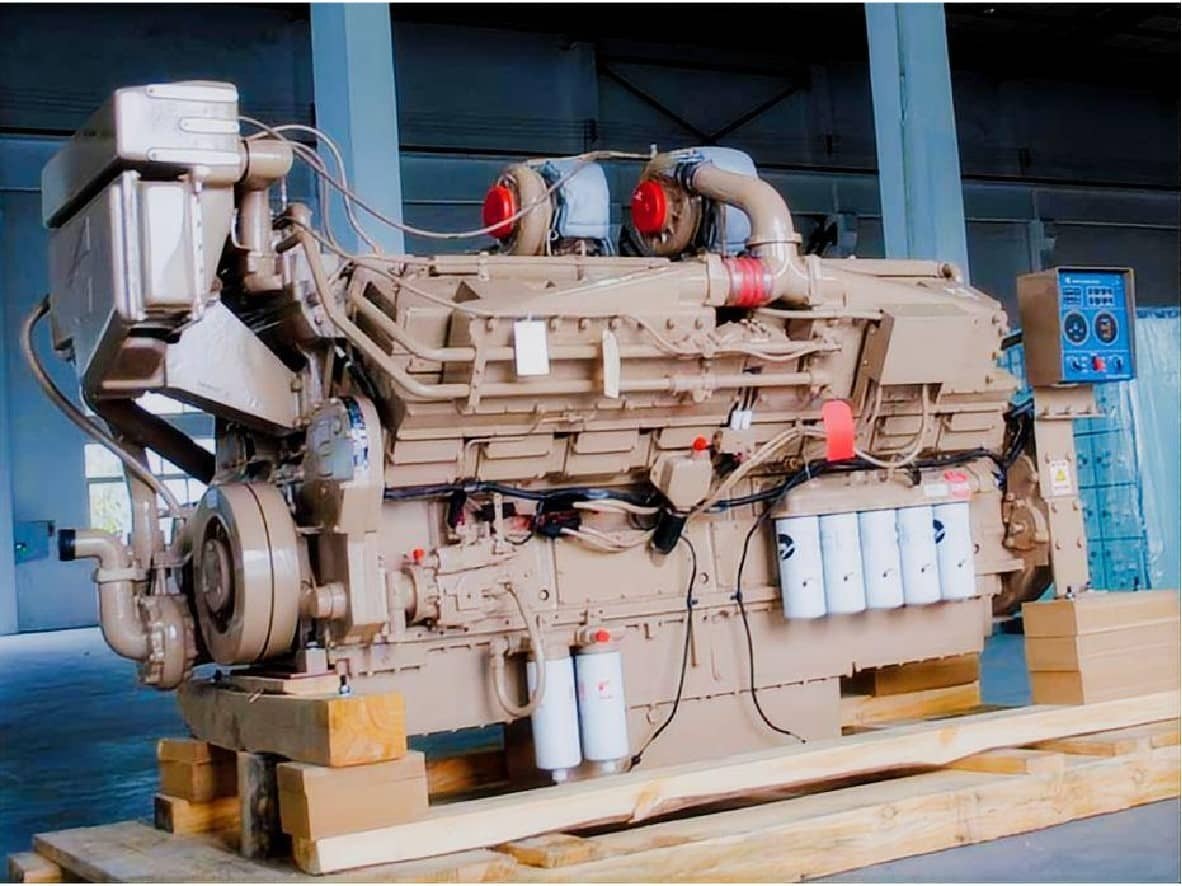
HekoPower Engineering Insights: The Architecture of the Cummins KTA50-M2 1600HP Marine Engine
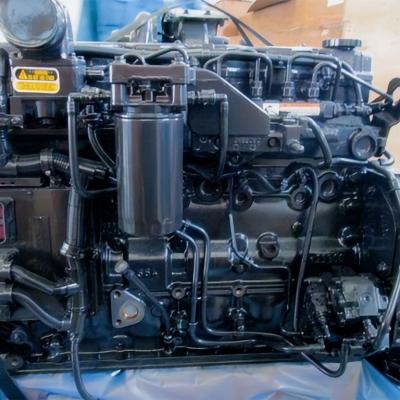
The marine sector demands unrelenting mechanical reliability under punishing salt-water operational cycles. When vessel operators search for a heavy-duty prime mover capable of sustaining 1193kW of continuous power, the engineering pedigree of the Chongqing Cummins Engine Co. (CCEC) stands front and center. As an authorized engine supplier and global distributor, HekoPower delivers fully certified units built to handle the harshest marine environments. The Cummins KTA50-M2 1600HP marine propulsion engine represents the pinnacle of high-displacement, low-stress mechanical engineering, offering deep-sea operators unmatched durability.
Unlike lighter automotive or industrial variants modified for marine use, this power plant is purpose-built from the block up for commercial watercraft. Every component, from the rugged cast-iron crankcase to the advanced cooling circuits, is optimized to deliver maximum torque at lower operational speeds, minimizing wear over tens of thousands of service hours.
Tech Specs of Cummins KTA50-M2 1600HP
General Engine Data
Engine Model: Cummins KTA50-M2 (1600 HP)
Type: 16 Cylinders, V Type, 4 strokes, Diesel
Displacement: 50 L
Bore * Stroke: 159 * 159
Net Weight (with flywheel & alternator): 5742 Kg
Overall Dimension: 2694mm*1564mm*2260mm
Engine Configuration No.: D283033MX02
Key Performance Data
Rated Power: 1193 kW/1600HP
Rated Speed: 1800 rpm
Low Idle Speed: 650±25 rpm
High Idle Speed: 1860-2016 rpm
Rating Type: Continuous Duty
Fuel Consumption (Running Speed): 290.7 L/hr
Rated Engine Torque: 6588 N.m @ 1800 rpm
Torque/Rated Speed: 6588 N.m @ 1500 rpm
More Technical Data
Certification: CCS/IMO2 Certificates
Governor Type: Mechanical Control
Aspiration: Turbocharged/Jacket water Aftercooled
Compression Radio: 13.9:1
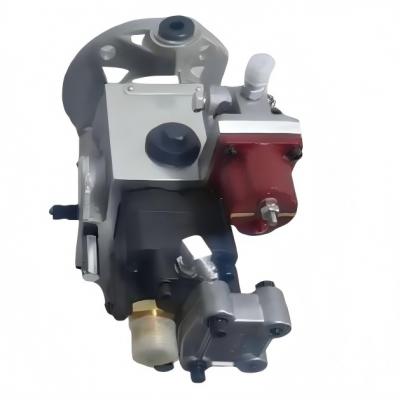
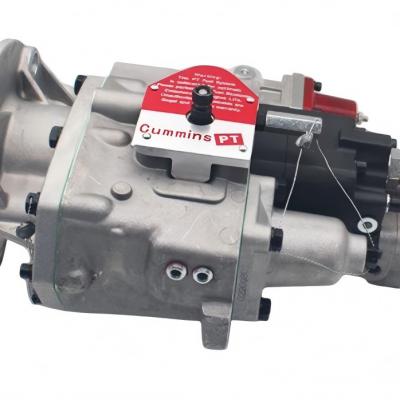
Fuel System: Cummins Pressure Time (PT Pump)
Starting System: Electrical Start (24V)
Lowest Starting Temp Without auxiliary system: -12℃
Firing Order: 1R-1L-3R-3L-2R-2L-5R-4L-8R-8L-6R-6L-7R-7L-4R-5L
Cooling Method: Sea water pump, Heat exchanger, Water cooled
Real Application Scenarios in Commercial Maritime Operations
Deploying a 50-liter powerhouse requires matching engine output dynamics directly to hull resistance profiles and propeller pitch characteristics. The Cummins KTA50-M2 1600HP marine engine finds its primary home in heavy displacement commercial vessels where sustained torque matters more than quick acceleration.
Harbor and ocean-going tugboats frequently rely on this specific configuration. Maneuvering massive container ships in confined port channels requires instantaneous throttle response and immense bollard pull. The mechanical governing of the PT fuel system ensures that when loads spike unexpectedly, fuel delivery adjusts instantly without electronic lag.
Beyond tugs, coastal cargo vessels and large-scale commercial fishing trawlers utilize the KTA50-M2 1193kW engine specs to maintain cruising speeds against heavy head-seas. Because these vessels operate hundreds of miles from the nearest port, reliability is non-negotiable. HekoPower works closely with shipbuilders to ensure proper engine room alignment, vibration dampening, and gearbox compatibility, ensuring every installation meets rigorous marine classification standards like CCS and IMO tier requirements.
Technical Comparisons and Performance Nuances
Evaluating heavy-duty marine propulsion requires looking beyond simple horsepower ratings. When comparing the KTA50-M2 against lighter high-speed diesels or lower-output variants in the same family, distinct operational differences emerge.
The KTA50-M2 operates at a rated speed of 1800 RPM, striking a vital balance between power density and thermal longevity. High-speed engines often run past 2100 RPM, which accelerates cylinder liner wear and shortens overall overhaul intervals. By utilizing a massive 50L V16 architecture with a 159mm bore and stroke, the KTA50-M2 achieves its 1600HP output comfortably within safe thermal thresholds.
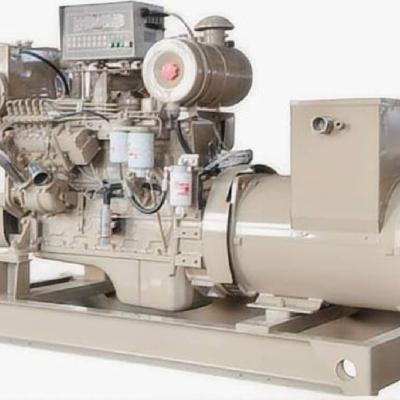
A frequent point of confusion among buyers involves rating definitions. The heavy-duty marine propulsion engine Cummins KTA50 is often confused with continuous-duty generator configurations. While generator sets operate at fixed speeds under steady electrical loads, marine propulsion engines experience fluctuating propeller loads governed by cubic law curves. The M2 rating is specifically tuned to deliver optimal fuel efficiency across working propeller speeds, whereas lower-tier configurations may lack the heavy-duty cooling capacity required for prolonged full-throttle towing operations.
Maintenance Protocols, Replacement Tips, and Common Misconceptions
Maximizing the lifecycle of a CCEC KTA50-M2 diesel engine requires strict adherence to scheduled maintenance intervals and a clear understanding of mechanical realities.
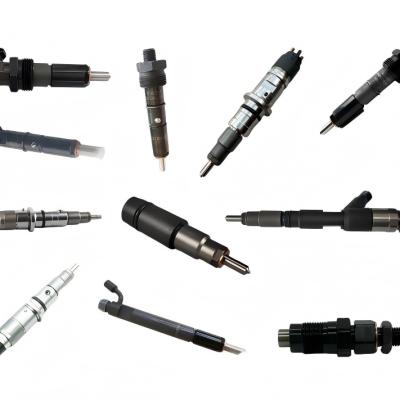
A common misconception among fleet operators is that heavy-duty mechanical engines require less frequent diagnostic monitoring because they lack complex electronic control units. In reality, the Cummins PT fuel system demands precise calibration of injector timing and fuel pressures. Ignoring minor injector dribble can lead to localized thermal overload on piston crowns, eventually causing catastrophic piston ring failure. Operators should inspect and calibrate the PT fuel pump and injectors every 2,000 to 3,000 operational hours.
When undertaking marine engine repowering or replacing an older KTA50 series unit, technicians must meticulously verify the engine configuration number and CPL (Control Parts List). Even engines sharing the same 1600HP output may feature distinct aftercooler layouts, raw water pump placements, or flywheel housing dimensions depending on the target vessel's hull geometry.
Furthermore, cooling system integrity dictates engine longevity. The jacket water aftercooled design relies on efficient raw-water heat exchangers. Neglecting zinc anode replacements within the cooling circuit invites galvanic corrosion into the core block, compromising thermal transfer efficiency. HekoPower supplies genuine replacement parts and complete service kits specifically engineered to maintain factory tolerances, ensuring your propulsion system avoids unexpected downtime.
Expanding Your Search: Engine Series and Component Integration
Navigating complex power system requirements often involves exploring adjacent models and specialized replacement components to build a fully synchronized marine setup.
Cummins K50-M Series (K50 Marine Engine), marine propulsion engines for commercial and recreational applications, original products from Chongqing Cummins Engine Plant(CCEC). This series mainly includes KTA50-M2 (1600 HP), KTA50-M2 (1700 HP), KTA50-M2 (1800 HP). All engines complete with sea water pump, heat exchanger, CCS/IMO certificates.
Frequently Asked Questions
What is the specific fuel consumption profile of the Cummins KTA50-M2 1600HP engine?
Fuel consumption scales dynamically with propeller load under the cubic law. At rated continuous output, the engine consumes approximately 280 to 310 liters per hour, though precise figures vary depending on vessel displacement, hull design, and operational speed curves.
Can the KTA50-M2 engine be adapted for generator set applications?
While the KTA series shares a common core block design between propulsion and generator variants, the KTA50-M2 is specifically optimized for marine propulsion curves. For electrical power generation, dedicated generator drive engines featuring constant-speed governors and distinct cooling packages should be utilized.
What marine gearboxes are compatible with the 1800 RPM KTA50-M2?
Compatibility depends on reduction ratio requirements and hull thrust limits. The engine pairs effectively with heavy-duty marine transmissions from leading global brands that can handle the massive torque output generated by the 50L V16 platform at 1800 RPM.