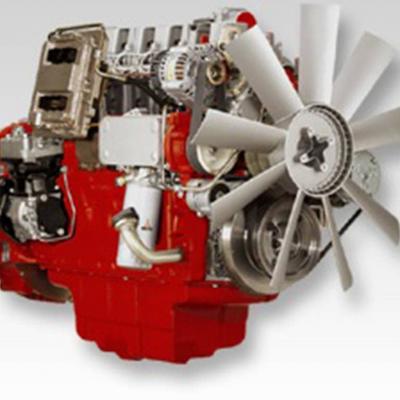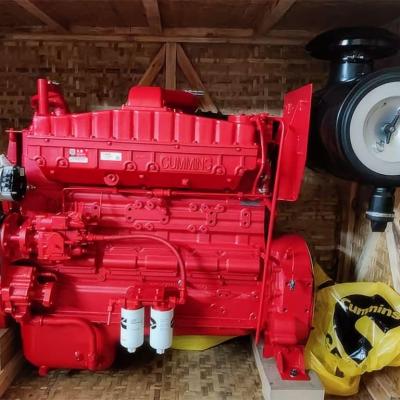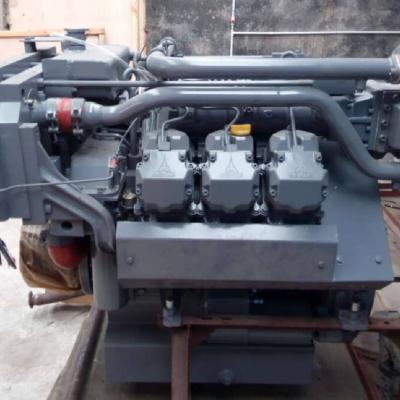
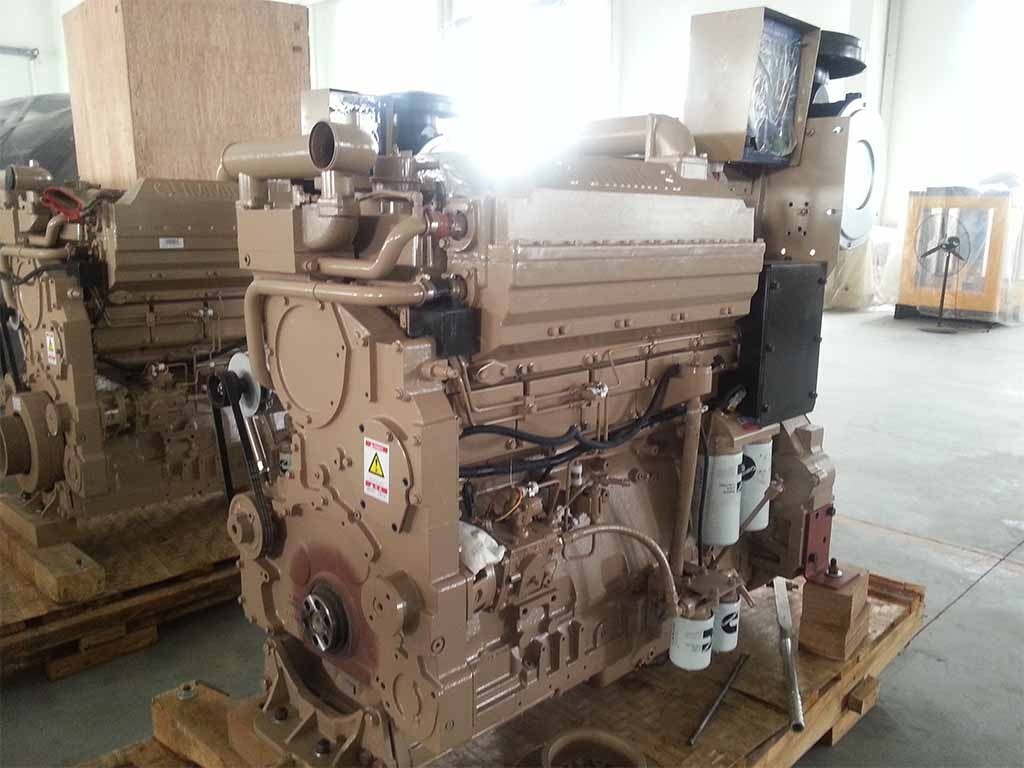
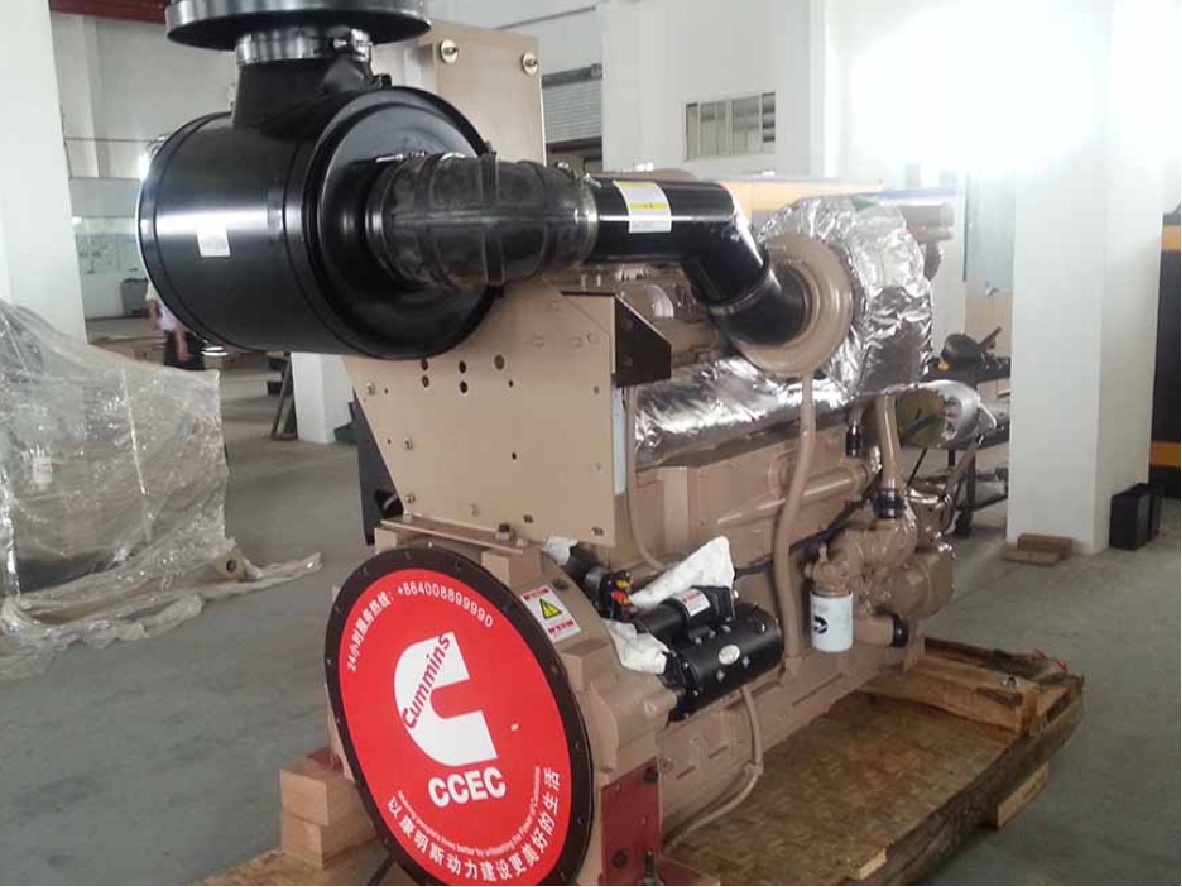
Choosing a marine auxiliary engine requires matching exact power curves with maritime regulatory frameworks. The Chongqing Cummins KTA19-DM392 is a purpose-built 19L marine diesel engine assembly. It delivers continuous power optimized for heavy-duty generator drive setups. As a specialized engine supplier, HekoPower provides complete engine units along with deep technical integration support.
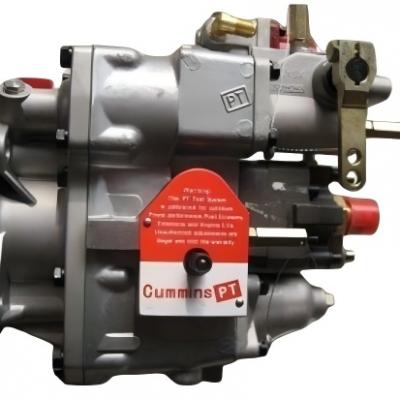
Unlike modern common-rail engines, this model uses the classic Cummins PT (Pressure-Time) pump fuel system. The PT pump uses mechanical governor controls to alter fuel rail pressures based on engine speed changes.
This design means the system resists fuel contamination well, which is a common problem with marine diesel fuel stored in damp environments. The camshaft drives the PT injectors, injecting fuel at high pressure directly into the combustion chamber. This provides clean fuel burning and reliable throttle reaction under sudden generator load drops.
Fuel planning is critical for commercial maritime transport operations. The KTA19-DM392 operates efficiently within its continuous-duty power band.
At a standard 1800 RPM running speed, the engine consumes roughly 201 grams of fuel per kilowatt-hour (g/kWh) at full load. This translates to an estimated fuel burn rate of 95 to 102 liters per hour when running at full capacity. At a typical 75% generator load profile, the consumption rate drops to roughly 73 to 78 liters per hour. This profile helps fleet operations lower their daily trip expenses.
Replacing an aging onboard auxiliary power unit can introduce complex structural alignment challenges. The KTA19-DM392 serves as a direct marine engine replacement solution for older K19 or competing block models.
When installing a new heavy-duty marine generator engine on existing engine beds, look closely at the crankshaft centerline measurement. The dry weight of this engine block is roughly 2,189 kg. This mass demands proper load distribution across the ship's structural bearers.
Our engineering team recommends installing heavy-duty anti-vibration mountings to keep the engine isolated from the hull plating. You must verify alignment with the alternator shaft using laser tools to keep face and rim runout values below 0.05 mm.
When installing a new heavy-duty marine generator engine on existing engine beds, look closely at the crankshaft centerline measurement. The dry weight of this engine block is roughly 2,189 kg. This mass demands proper load distribution across the ship's structural bearers.
Our engineering team recommends installing heavy-duty anti-vibration mountings to keep the engine isolated from the hull plating. You must verify alignment with the alternator shaft using laser tools to keep face and rim runout values below 0.05 mm.
Older vessels often use non-standard cooling lines and exhaust paths. When switching out a legacy unit, the sea-water piping connection points may need adjustments to handle the raw-water pump flow rates.
HekoPower provides custom flange adapters along with flexible exhaust joints. These additions help connect the dual-jacketed turbocharger manifold to the existing wet or dry exhaust system without creating restrictive backpressure.
The operational profile of a continuous power marine engine shifts based on the vessel design and its daily work assignments.
On ocean-going cargo vessels, the KTA19-DM392 runs as a secondary generator drive engine. It powers internal electrical systems, ventilation blowers, and large cooling compressors during harbor stays and anchoring periods. It handles the power swings caused by cycling heavy hydraulic pumps without dropping electrical frequencies.
Tugboats and harbor vessels operate in tight waterways that require immediate electrical responses. The continuous power delivery of this engine ensures that bow thrusters receive consistent power during ship-assist maneuvers.
Offshore support vessels and platform structures deploy this model because it runs reliably for weeks at a time. The low structural configuration simplifies maintenance tasks when working far from shore base facilities.
Proper component maintenance tracking keeps your machinery working reliably and prevents expensive emergency dry-docking repairs.
HekoPower coordinates rapid global delivery for critical overhaul components. We maintain a stocked warehouse inventory of genuine CCEC components, including cylinder liners, piston ring kits, main bearings, and PT pump rebuild kits. Keeping your parts standardized extends your total running time between major overhauls past 20,000 operational hours.
Cummins K19-DM Series, Marine Auxilliary Diesel Engines for commercial and recreational applications, original products from Chongqing Cummins Engine Plant(CCEC). This series mainly includes KTA19-DM336, KTA19-DM392, KTA19-DM403, KTA19-DM448, KTA19-DM463, KTA19-DM507. All engines complete with sea water pump, heat exchanger, CCS/IMO certificates.
Every unit shipped by HekoPower can be supplied with a full KTA19-DM392 marine engine with CCS IMO certification package. This documentation confirms compliance with MARPOL Annex VI emissions requirements. It simplifies the registration process with international maritime class registries.
Yes. The mechanical PT fuel injection pump handles low-sulfur marine gas oil (MGO) and standard commercial diesel fuels without needing fuel lubrication additives.
We offer a complete 12-month factory operating warranty starting from the engine commissioning date, or up to 1,500 total running hours, whichever milestone occurs first.