Details
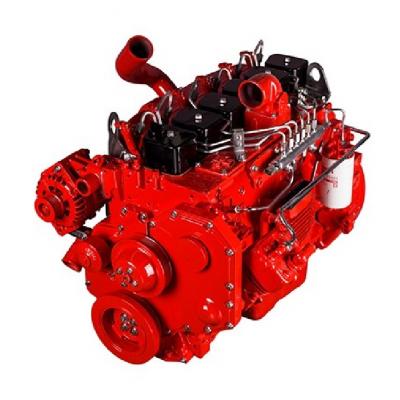
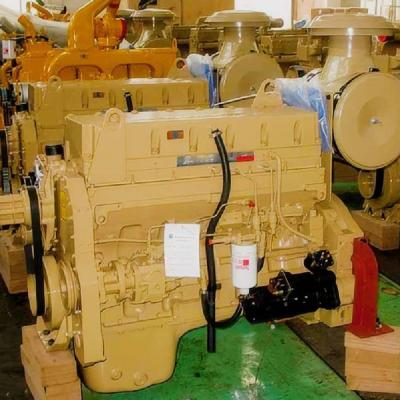
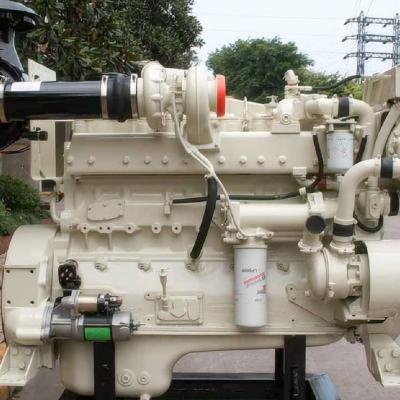
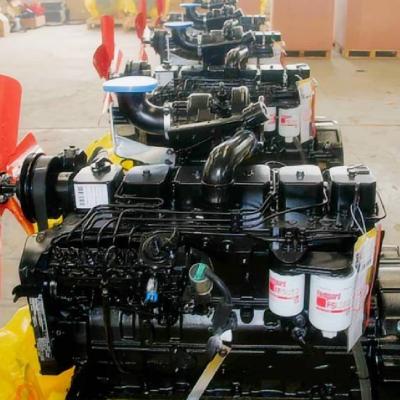
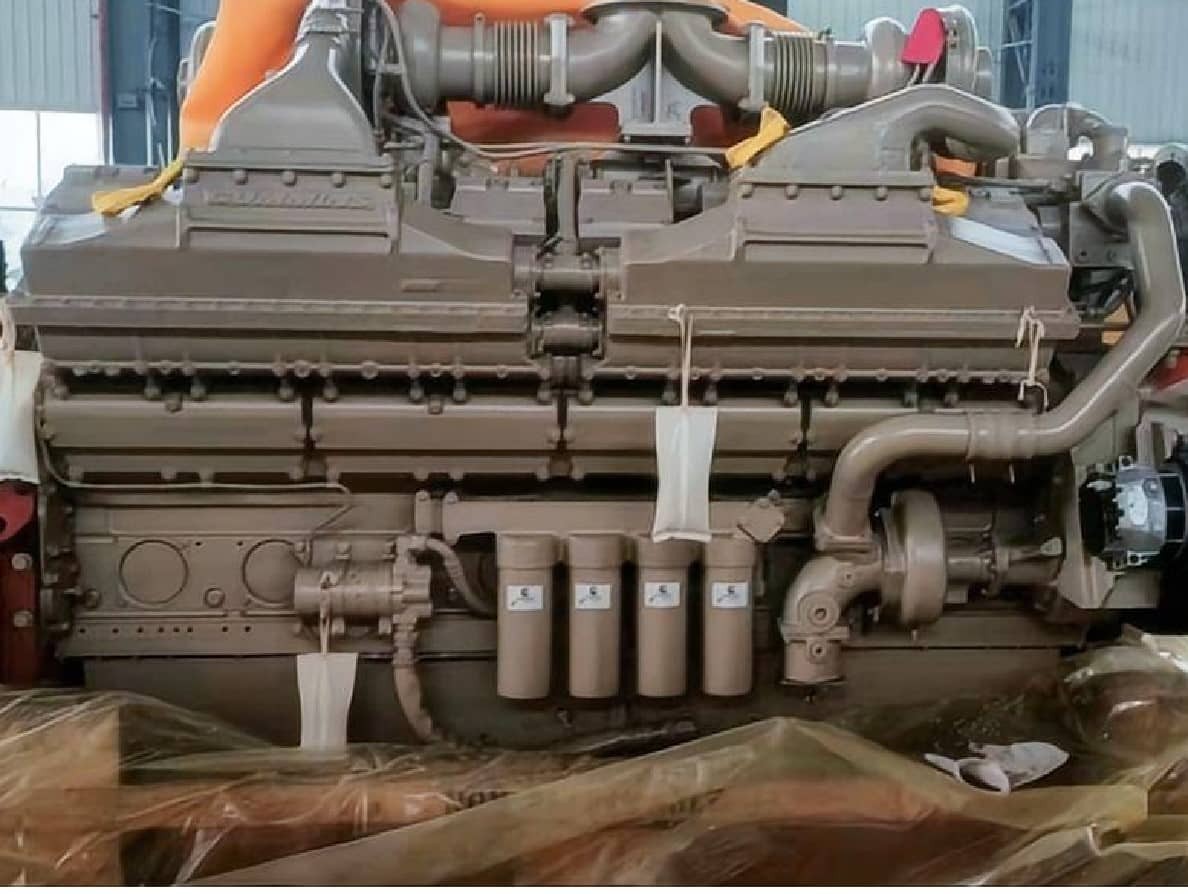
Cummins QSK60-C2337 Industrial Diesel Engine Assembly (2337 HP / 1641 kW)
The Cummins QSK60-C2337 is a 60.2-liter V16 industrial diesel engine engineered strictly for continuous, high-load applications in open-pit mining, ultra-class excavating, and heavy construction. Delivering 2337 HP (1641 kW) at 1800 RPM, this power unit is the backbone of heavy material transport across the globe.
As a dedicated heavy equipment power supplier, HekoPower provides original Cummins QSK60-C2337 complete engine assemblies, short blocks, and customized replacement power packs. Every unit we supply is configured to minimize installation time and maximize the mechanical availability of your worksite machinery.
Tech Specs of QSK60-C2337
General Engine Data
Engine Model: Cummins QSK60-C2337
Type: 16 Cylinders in Line, V Type
Displacement: 60 L
Bore * Stroke: 159 * 190
Overall Dimension: 2960mm × 1780mm × 2150mm
Net Weight (with flywheel & alternator): 8750 kg
Key Performance Data
Rated Power: 1641 kW/2337HP
Rated Speed: 1800 rpm
Max Torque/Speed: N/A
Fuel Consumption @ Rated Power: 203 g/Kw.h
More Technical Data
Certification: EPA TIER 4/IMO III
Aspiration: Single-stage Turbocharged Aftercooled
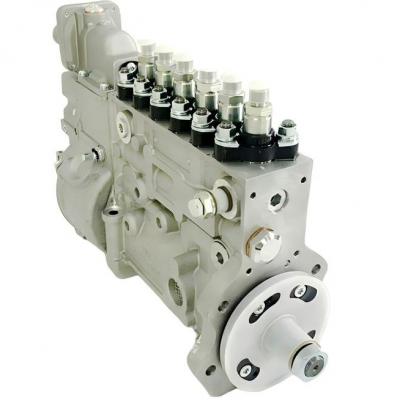
Fuel System: Cummins MCRS
Compression Ratio: 15:1
Technical Model Comparisons in the QSK60 Ecosystem
Equipment fleet managers often struggle to choose the correct power rating within the 60-liter family. Understanding the operational differences between the QSK60-C2337 and its sibling models is critical for preventing premature equipment failure.
QSK60-C2337 vs. QSK60-C2500
Both of these engines utilize the identical 60.2-liter V16 block and MCRS injection hardware. The core difference is the brake mean effective pressure (BMEP) and the resulting thermal rejection. The QSK60-C2500 pushes more fuel into the cylinder to achieve 2500 HP, which is ideal for maximizing travel speed on flat, well-maintained haul roads.
However, generating that extra horsepower increases the heat load on the engine's cooling jacket and turbochargers. The QSK60-C2337 operates at a slightly more conservative 2337 HP limit. For mining operations featuring steep, continuous uphill gradients where airflow over the radiator is slow, the C2337 is the superior choice. Its lower thermal threshold prevents the engine control module from derating the power output due to heat saturation during long climbs.
QSK60-C2337 vs. Legacy QSK60-C2237
The older QSK60-C2237 model relied on the legacy Cummins High Pressure Injection (HPI) system, which utilized a mechanical PT pump. While the nominal horsepower outputs of these two engines look similar on paper, their field behavior is vastly different.
The modern MCRS system on the C2337 allows for multiple micro-injections of fuel during a single combustion stroke. This precise electronic metering smooths out the combustion knock typical of large-displacement diesels and improves fuel economy by several percentage points. Fleet owners looking to replace a legacy C2237 with a new C2337 must be aware that the upgrade requires updating the machine's wiring harness and verifying the electronic control unit protocols, a repower process that HekoPower engineers routinely facilitate.
Real-World Application Scenarios
The QSK60-C2337 heavy mining diesel engine is not a general-purpose motor; it is highly specialized for severe-duty environments.
In the hauling sector, this engine serves as the primary propulsion unit for 220 to 240-ton class mining dump trucks. Models from Komatsu, BelAZ, and Terex routinely utilize this specific 1800 RPM engine rating because it provides the perfect torque curve for diesel-electric drive systems hauling copper, coal, and iron ore out of deep pits.
Beyond haulage, this 60L V16 engine dominates the ultra-class excavator market. In 300 to 400-ton hydraulic shovels, the engine drives massive hydraulic pump towers. The engine's fast governor response ensures that hydraulic pressure remains completely stable even when the bucket strikes solid bedrock, preventing the equipment from stalling under sudden loads. Furthermore, in the energy sector, the QSK60-C2337 oilfield engine is frequently deployed to power high-pressure mud pumps and well-stimulation rigs that require days of uninterrupted, maximum-load running.
Essential Maintenance and Repower Strategies
Protecting your investment in a high-horsepower industrial engine requires moving beyond basic maintenance and adopting proactive operational strategies.
Installation and Fluid Best Practices
The most critical moment in this engine's life is the startup sequence. HekoPower strongly recommends integrating an automated pre-lubrication starter system before cranking a newly installed assembly. Dry engine starts account for a massive percentage of premature main bearing wear on 60-liter engines. Additionally, because the high-pressure MCRS components operate under microscopic tolerances, upgrading your machine to dual-stage primary fuel-water separators with two-micron secondary filtration is mandatory to protect the injection pump from abrasive fuel contaminants.
Clarifying Common Product Misconceptions
A widespread misconception in the heavy equipment industry is that all QSK60 engines are physically interchangeable plug-and-play units. While the bare cast-iron block is identical across the platform, the external dressing varies wildly. Flywheel housings (such as SAE 0 versus SAE 00), front gear cover auxiliary drives, oil pan sump profiles, and turbocharger exhaust orientations are completely different between an excavator engine and a haul truck engine. Ordering based solely on the engine family name without verifying the specific arrangement number will lead to severe installation delays.
Another common myth is that modern MCRS fuel systems are too delicate for remote mining regions with variable diesel quality. In reality, the QSK60-C2337 can operate reliably in harsh environments provided that the fleet adheres to strict fuel conditioning practices and adjusts engine oil drain intervals based on the sulfur content of the local fuel supply.
The Cummins QSK60 Series Ecosystem
Upgrading your heavy machinery requires matching the exact physical and electronic footprint of your original equipment to a modern power standard. Selecting the correct configuration ensures your site maintains its production targets without compromising on fuel economy or component lifespan.
Cummins QSK50-C Series, original manufactured in Cummins USA plant, used for Belaz mining truck. This series mainly includes QSK60-C2337, QSK60-C2500.
Frequently Asked Questions (FAQ)
What is the standard lead time and warranty for a complete engine assembly?
Standard in-stock QSK60-C2337 engine assemblies are bench-tested and prepared for global export within 7 to 14 days. Customized configurations requiring specific oil pans or flywheel modifications take roughly three to four weeks. All new complete engines supplied by HekoPower include factory-backed warranty protection covering major structural components like the cylinder block, crankshaft, and cylinder heads.
Can the QSK60-C2337 maintain its 1641 kW rating at high altitudes?
Yes. The quantum electronic control system and two-stage turbochargers feature built-in atmospheric pressure compensation. The engine dynamically adjusts its air-to-fuel ratio and boost pressure, allowing it to maintain rated power without thermal overload in high-altitude mining environments, such as those found in the Andes or Central Asia.
What are the physical dimensions and weight of the engine for freight planning?
The standard QSK60-C2337 engine package measures approximately 3,353 mm in length, 1,781 mm in width, and 2,171 mm in height. The dry weight is roughly 8,750 kilograms (19,290 lbs). Final shipping dimensions and weight will vary slightly based on the specific heavy-duty air cleaners or customized exhaust elbows attached to your unique assembly.
How do I confirm if my current machine requires this specific MCRS engine or an older PT pump model?
You can identify your exact requirement by locating the engine data plate on the rocker cover and providing the Engine Serial Number (ESN) to the HekoPower technical team. Alternatively, a visual inspection of the cylinder heads will reveal either a high-pressure common rail fuel line (MCRS) or internal pushrod-driven fuel mechanisms (HPI/PT pump).