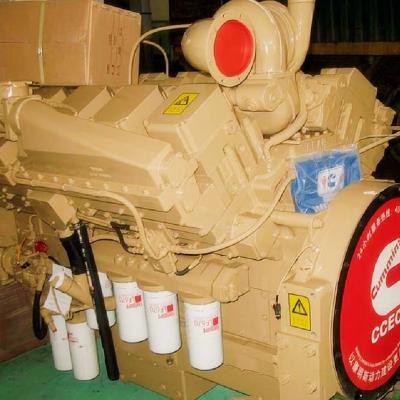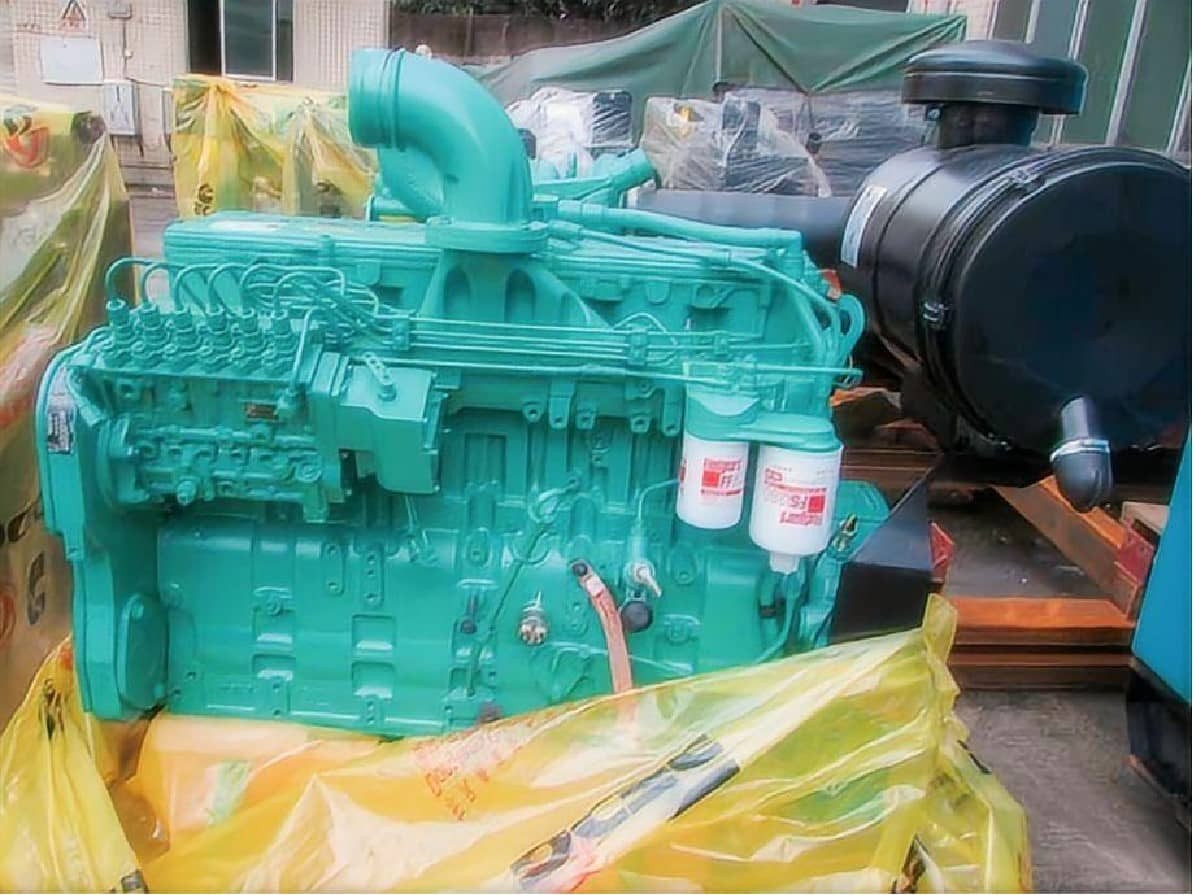
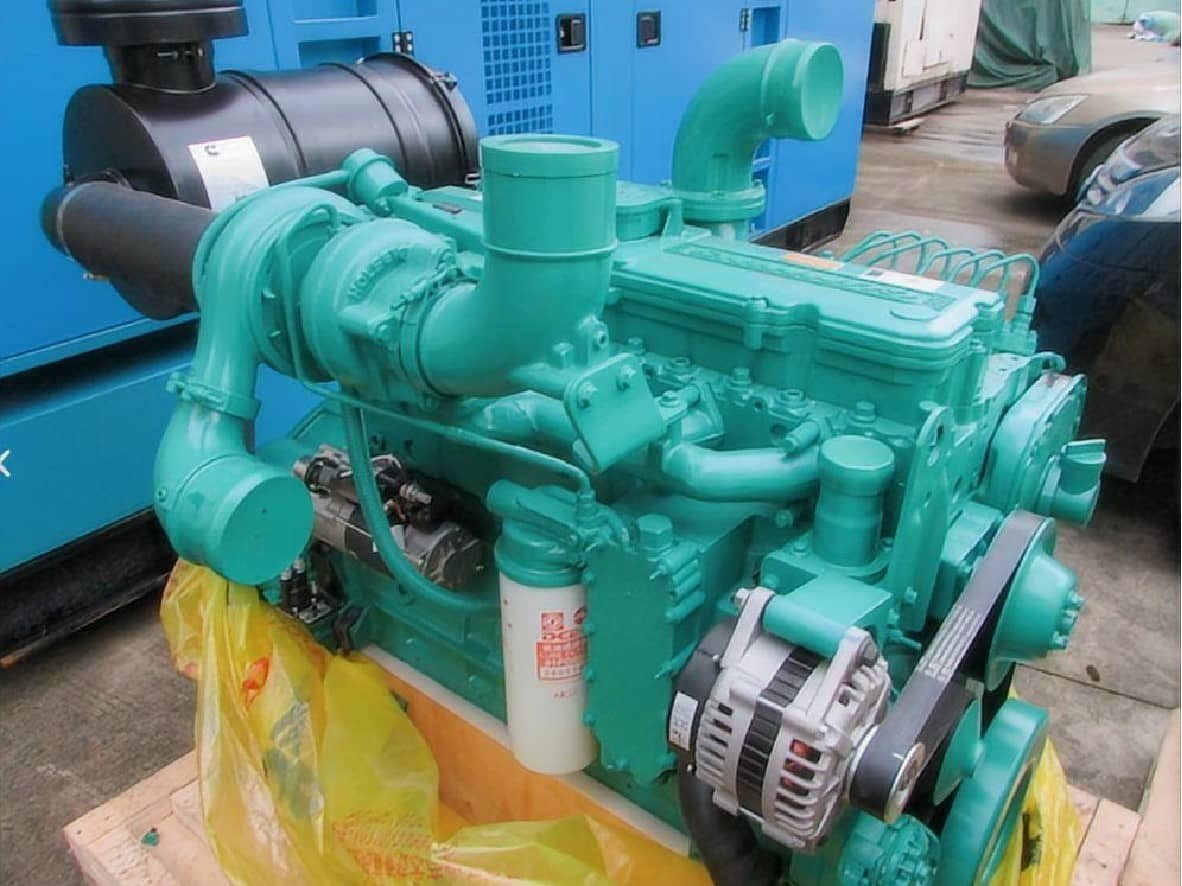
The Dongfeng Cummins (DCEC) 6LTAA8.9-G2 is engineered specifically for stationary and continuous power generation applications operating at 50Hz. Built around an 8.9-liter displacement architecture, this six-cylinder inline, turbocharged, and charge-air-cooled engine delivers a rated output of 220kW at 1500 RPM.
Unlike lighter automotive variants, the G-drive architecture of the 6LTAA8.9-G2 focuses on sustained torque stability under fluctuating electrical loads. The robust block design, combined with optimized fuel injection timing, ensures that transient response meets stringent ISO 8528 Class G2 performance criteria.
As an established engine supplier, HekoPower provides complete engine assemblies configured with standard mechanical or electronic governing systems tailored to specific alternator coupling requirements. Every unit sourced through our facility undergoes strict verification against official Cummins Critical Parts List (CPL) parameters to ensure absolute compatibility in generator manufacturing or replacement projects.
Choosing the correct power node requires looking beyond nominal kilowatt ratings. Engine specifiers frequently encounter confusion when comparing the 6LTAA8.9-G2 with higher-output models like the 6LTAA8.9-G3 or alternative displacements in the 8.9L family.
The primary mechanical difference lies in the fuel calibration and turbocharger matching. While both the G2 and G3 variants share the same core block, bore, stroke, and displacement dimensions, the G3 is calibrated to push higher thermal and mechanical loads to achieve greater output.
Opting for the 220kW G2 model often yields superior component longevity in environments where the genset runs continuously near its rated capacity. Pushing an engine closer to its absolute thermal ceiling increases wear on piston rings and exhaust valves. Selecting the G2 configuration provides a conservative operating margin that extends maintenance intervals in remote industrial camps, agricultural facilities, and municipal backup installations.
The 220kW output profile of the Cummins 6LTAA8.9-G2 makes it a preferred choice for medium-scale commercial backup and prime power generation. Typical deployment environments include telecommunication base stations, manufacturing plants requiring stable secondary power, and commercial real estate complexes.
Integrating this engine into a complete generator set requires precise mechanical alignment with the alternator end. Because the flywheel housing and SAE flywheel dimensions conform to industrial standards, pairing the engine with major alternator brands like Stamford or Leroy Somer is straightforward.
When sizing the alternator, technicians must account for the mechanical power output at 1500 RPM while maintaining proper torsional vibration dampening. HekoPower assists engineering teams by supplying complete assembly guidelines, ensuring that coupling alignment and cooling package dimensions prevent localized overheating during high-ambient-temperature operations.
A prevalent misconception among operators is that generator drive engines can be operated interchangeably at 50Hz (1500 RPM) and 60Hz (1800 RPM) without recalibration. Changing operational frequency alters turbocharger boost thresholds and fuel injection volume maps. Operating a G2 engine outside its calibrated frequency band without adjusting the governor and fuel pump configuration leads to thermal inefficiency and potential smoke emission issues.
Cooling System Integrity: The charge-air cooling circuit demands clean ambient airflow. Inspect the intercooler core regularly for dust or oil film accumulation, which degrades combustion efficiency.
Fuel Filtration: High-pressure fuel injection systems on the 8.9L platform require stringent water separation. Replace primary and secondary fuel filters strictly according to operational hour milestones.
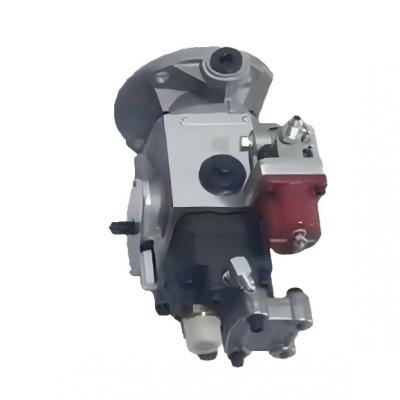
Replacement Compatibility: When substituting an older mechanical fuel pump version with a newer assembly, verify the exact CPL number (such as CPL 3079) to ensure harness plugs and sensor calibrations match the existing control panel.
When designing or upgrading industrial power systems, selecting the exact displacement and power band is essential for long-term operational efficiency. Beyond the primary 220kW Cummins platform, our inventory supports a wide spectrum of industrial and marine power requirements.
Cummins L8.9-G Series, original products from Dongfeng Cummins Engine Plant (DCEC), Cummins Joint Venture Plant since 1986, 50% shareholding by Cummins USA. This series mainly includes 6LTAA8.9-G2-220KW, 6LTAA8.9-G3-230KW.In accordance with the criteria of Machinery Safety Directive 2006/42, movable elements such as distribution belts, fans, and parts that acquire high temperatures during operation, such as exhaust manifolds, have their respective safeguards. Before being delivered, the generator is thoroughly checked at the factory. Voltage, frequency, and load are all tested, as well as the appropriate operation of warnings and the influence of engine oil temperature on stop.
Prime power represents the maximum continuous power available under variable load sequences for an unlimited number of hours per year. Standby power allows a higher output rating for emergency utility failure scenarios with strict annual operating hour limitations.
Yes, the fuel system adjusts to support both frequencies. It functions efficiently as a Cummins 6LTAA8.9-G2 50Hz 1500rpm engine supplier choice, or as a Cummins 1800rpm industrial generator drive engine for 60Hz grids. The electronic governor allows technicians to change speed settings to match local grid requirements.
The BYC P7100 mechanical pump handles variable fuel quality much better than high-pressure common-rail systems. For a diesel engine for mining generator set or a generator engine for construction site power supply, fuel supplies often contain trace water or dust. Mechanical systems resist wear from these impurities, avoiding the sudden electronic shutdowns common in delicate electronic engines.