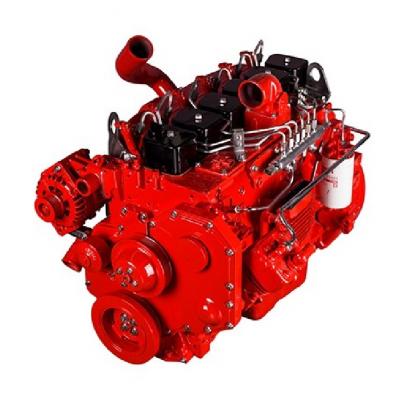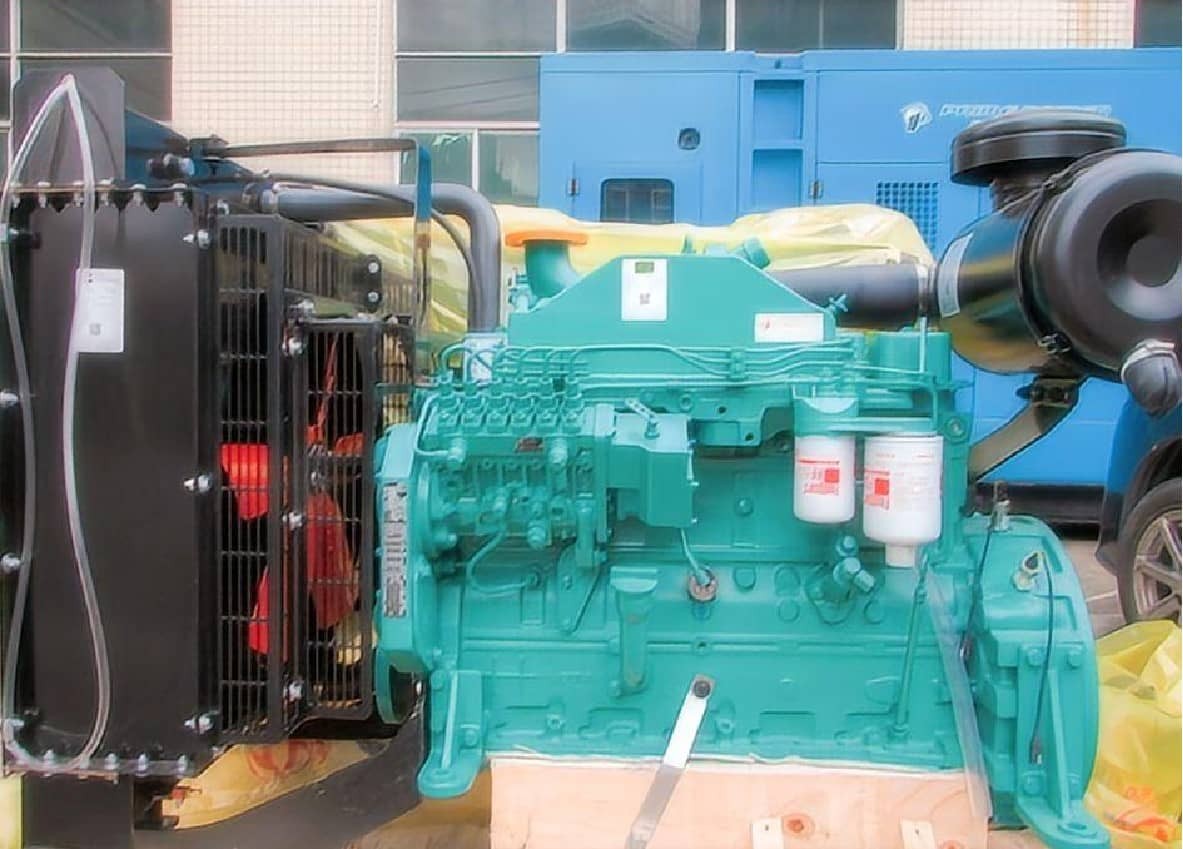
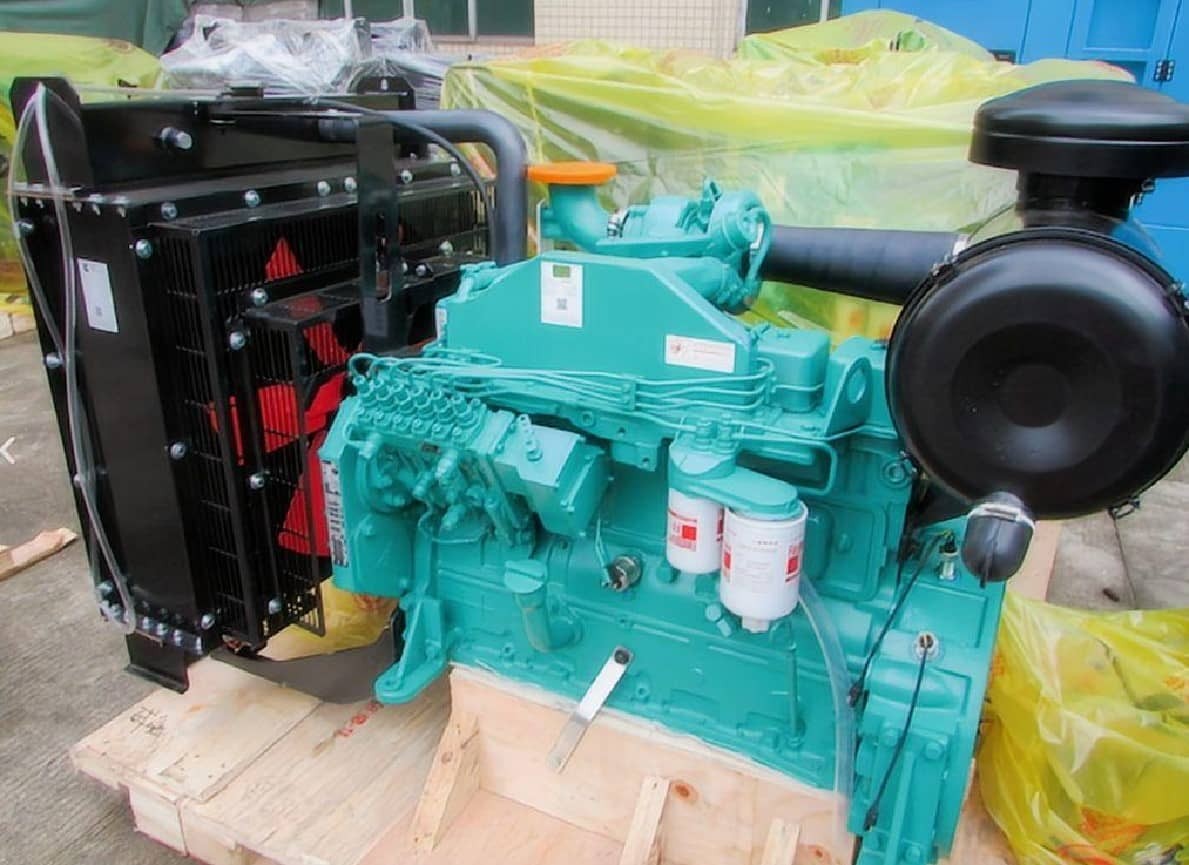
The Cummins 6CT8.3-G2 diesel engine represents a benchmark in mid-range industrial power generation. Manufactured under strict joint-venture standards by Dongfeng Cummins (DCEC), this 8.3-liter, six-cylinder inline power unit delivers exceptional reliability for continuous and standby power applications. When engineers design primary power stations or emergency backup systems for municipal, agricultural, or commercial facilities, stability under fluctuating load profiles is paramount. The C8.3-G series achieves this through optimized combustion chamber geometry and precise fuel delivery calibration.
Operating at a steady 1500 RPM for 50 Hz power generation, the engine delivers a prime power rating of 133 kW (178 HP) and handles temporary peak demands smoothly. Unlike smaller displacement four-cylinder alternatives that experience thermal stress under sustained loads, the generous displacement of the 8.3-liter architecture allows the engine to operate within comfortable thermal and mechanical thresholds. HekoPower verifies every unit's CPL configuration to ensure seamless integration with standard alternators and digital controllers.
Evaluating generator engines requires looking beyond nominal wattage figures to understand torque backup, fuel injection technology, and operating longevity. When comparing the Cummins 6CT8.3-G2 against the heavy-duty mechanical Cummins 6CTA8.3-G2 variant, the primary distinction lies in turbocharging configuration and intercooling efficiency. While both share the same robust 114 mm bore and 135 mm stroke dimensions, the 6CT8.3-G2 is tuned specifically for stable frequency regulation under synchronous generator loads.
When contrasted with lighter-duty 6-cylinder engines from regional competitors, the DCEC 6CT8.3 architecture distinguishes itself through wet-type cylinder liners that facilitate complete in-frame rebuilds. Many alternative units utilize parent-bore blocks that require complete engine replacement after major wear cycles. Furthermore, when analyzing power output tiers within the C8.3 family, the 133 kW prime rating strikes an optimal balance between fuel economy and transient response, avoiding the excessive exhaust temperatures sometimes observed in pushed 145 kW standby configurations operating in high-ambient tropical environments.
The versatility of the Cummins 6CT8.3-G2 133 kW generator engine makes it the preferred power source across diverse operational environments. In telecommunications infrastructure, this engine serves as a dependable prime mover for remote cellular base stations where grid power is unreliable or unavailable. Its robust governor response ensures that sensitive telecommunication rectifiers receive clean, stable voltage without frequency dropouts during sudden load steps.
In agricultural irrigation and remote rural electrification projects, the 6CT8.3-G2 drives large centrifugal water pumps and auxiliary electrical grids simultaneously. Because agricultural pumps demand high initial starting torque, the strong low-end torque characteristics of the 8.3-liter displacement prevent engine stalling during pump startup. Additionally, commercial contractors frequently pair this engine with 150 kVA soundproof generator enclosures to provide prime power for construction camps and mobile mining operations, relying on its straightforward mechanical maintenance requirements and wide availability of genuine replacement parts.
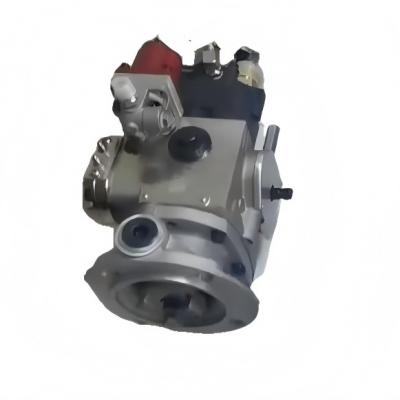
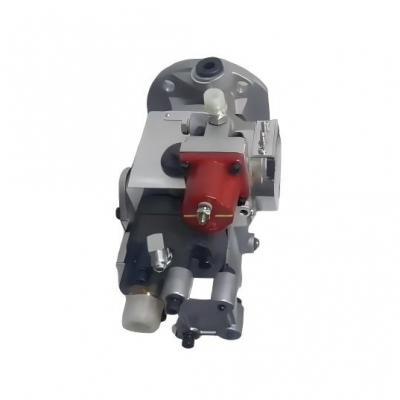
Maximizing the operational lifespan of a diesel generator engine requires adhering to strict maintenance schedules while avoiding common service misconceptions. A frequent misconception among operators is that heavy-duty industrial diesel engines do not require rigorous fuel filtration because they utilize robust mechanical fuel injection pumps. In practice, high-pressure fuel systems are exceptionally sensitive to water and microscopic particulate contamination. Operators must inspect and drain primary fuel-water separators daily, replacing secondary fuel filters at scheduled intervals to protect the precision plungers within the PB fuel pump.
Another prevalent misconception involves cooling system maintenance. Technicians occasionally top off cooling systems with plain water during emergency field repairs, neglecting DCA (Diesel Coolant Additive) concentrations. Without proper SCA levels, cavitation erosion can rapidly compromise the cylinder liner exterior walls, leading to catastrophic coolant leakage into the crankcase. HekoPower recommends using ethylene glycol-based coolants with proper inhibitor packages and changing lubricating oil every 250 operating hours alongside genuine oil and bypass filters.
Selecting the correct engine model often involves reviewing adjacent power ratings and specialized configurations within the broader product ecosystem. Cummins C8.3-G Series, original products from Dongfeng Cummins Engine Plant (DCEC), Cummins Joint Venture Plant since 1986, 50% shareholding by Cummins USA. This series mainly includes 6CT8.3-G2-133kw, 6CTA8.3-G1-163kw, 6CTA8.3-G2-163kw, 6CTAA8.3-G2-183kw.In accordance with the criteria of Machinery Safety Directive 2006/42, movable elements such as distribution belts, fans, and parts that acquire high temperatures during operation, such as exhaust manifolds, have their respective safeguards. Before being delivered, the generator is thoroughly checked at the factory. Voltage, frequency, and load are all tested, as well as the appropriate operation of warnings and the influence of engine oil temperature on stop.
The Cummins 6CT8.3-G2 is rated at 133 kW (178 HP) for continuous prime power operation at 1500 RPM, while its maximum standby output reaches approximately 145 kW for emergency backup service under variable loads.
The G2 designation and standard fuel calibration are specifically engineered for 50 Hz operation at 1500 RPM. Operating this specific configuration continuously at 1800 RPM requires factory recalibration of the governor and fuel injection timing to ensure thermal stability.
This engine typically corresponds to CPL 2335, which defines its precise fuel pump calibration, piston design, and turbocharger matching for optimal generator performance. Always verify the physical engine dataplate before ordering replacement parts.
As an established commercial engine supplier, HekoPower sources all units directly through authorized DCEC manufacturing channels, verifying serial numbers, factory test reports, and CPL documentation prior to global export.