Details
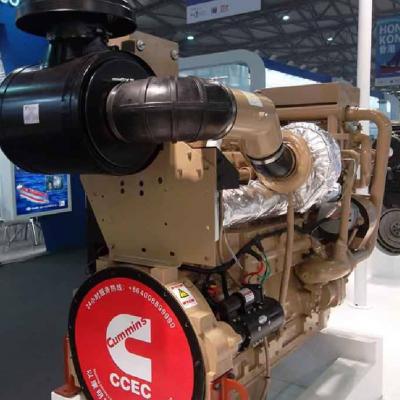
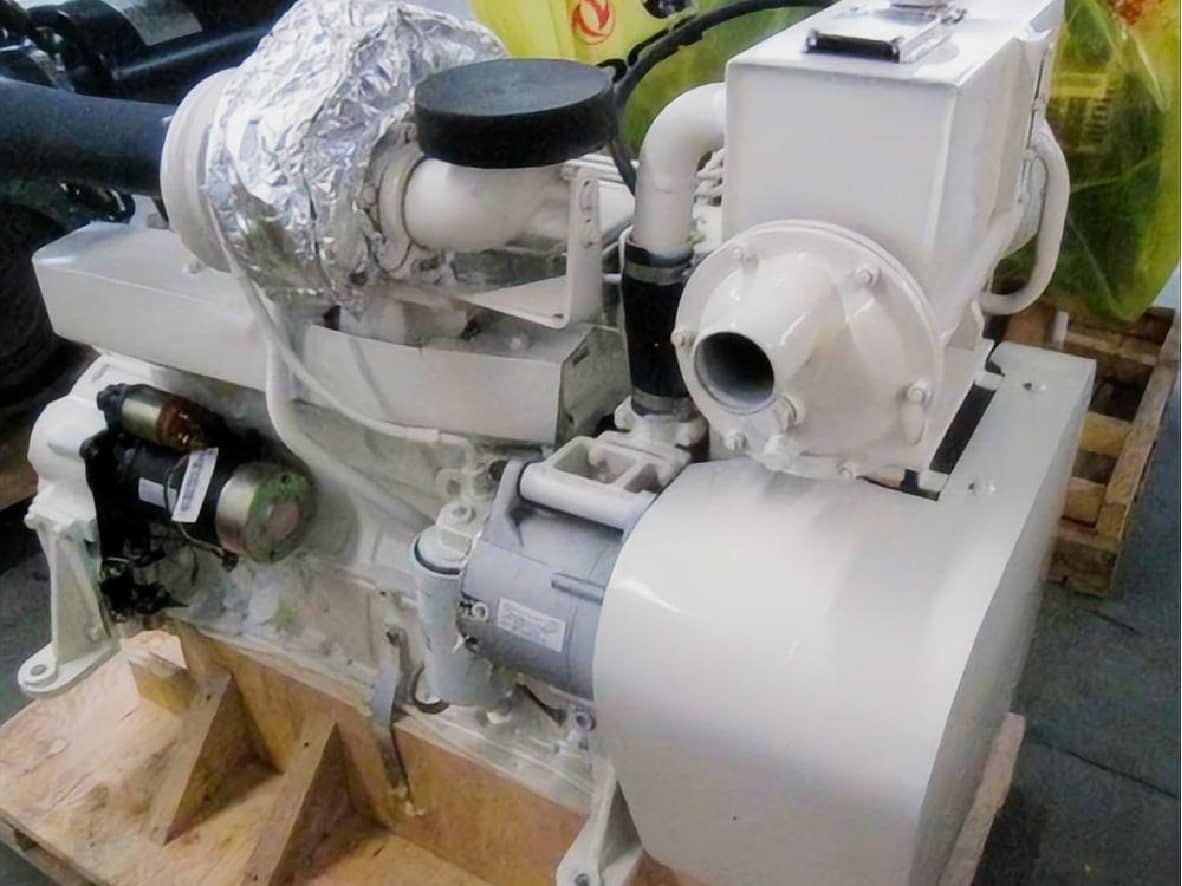
Genuine DCEC Cummins 4BTA3.9-GM47 Marine Auxiliary Engine
As a dedicated DCEC Cummins 4BTA3.9-GM47 engine supplier, HekoPower provides this 3.9L, 4-cylinder powerhouse specifically engineered for marine auxiliary applications. Delivering a steady 47kW at 1500RPM, it serves as the ideal prime mover for a 30KW marine genset. We supply the complete marine auxiliary engine assembly to global shipyards, fleet operators, and marine engineers, ensuring you receive original DCEC quality backed by rigorous testing. Whether you are outfitting a new build or executing a critical marine engine replacement, this model delivers uncompromising electrical stability on the water.
Tech Specs of 4BTA3.9-GM47
General Engine Data
Engine Model: Cummins 4BTA3.9-GM47
Type: 4 Cylinders in Line
Displacement: 3.9 L
Bore * Stroke: 102 * 120
Net Weight (with flywheel & alternator): 350 Kg
Overall Dimension: 867mm*544mm*988mm
Engine Configuration No.: D383060MX02
Key Performance Data
Rated Power/Standby Power: 47 kW/63HP, 52 kW/70HP
Rated Speed: 1500 rpm
Low Idle Speed: 950-1050 rpm
Fuel Consumption (Running Speed): ≤ 240 g/kW.hr
More Technical Data
Certification: CCS Certificates
Aspiration: Turbocharged/Water-air Intercooled
Fuel System: BYC A Pump/GAC Governor
Compression Ratio: 17.3:1
Electrical System (Starter Motor/Alternator): 12V/24V
Lowest Starting Temp Without auxiliary system: -12℃
Cooling Method: Water cooled
Engine Cooling Fluid Volume: 7.9 L
Real-World Application Scenarios for the 4BTA3.9-GM47
Vessel operators demand reliable onboard power that does not consume excessive engine room space. The 4BTA3.9-GM47 marine diesel engine fits perfectly into tight compartments. Its highly compact 102x120mm bore and stroke design makes it heavily favored as an auxiliary power unit for vessels with strict space limitations.
You will frequently find this 47kW Cummins marine generator engine powering essential electrical systems on inland waterways and coastal workboats. It provides stable 50Hz electricity for navigation equipment, deck lighting, and communication gear. The block design inherently minimizes vibration, which reduces wear on adjacent machinery.
Fishing vessels also rely heavily on this exact model. The demanding environment of commercial fishing requires an emergency generator engine that starts instantly and accepts block loads without hesitation. Thanks to the integrated GAC governor, this engine handles sudden electrical load changes smoothly when winches or freezing equipment cycle on and off.
Passenger vessels utilize this engine for auxiliary power as well. The low noise and vibration characteristics of the Cummins B3.9-GM series ensure passenger comfort while delivering consistent base-load power. Whether configured with a heat exchanger marine engine setup or customized for a keel cooling configuration, this power pack adapts seamlessly to diverse maritime environments.
Technical Comparisons: 4BTA3.9-GM47 vs. Alternatives
When planning a marine genset power unit, choosing the right displacement and power output is critical to long-term operational efficiency. A common dilemma for marine engineers is deciding between the 4BTA3.9-GM47 vs 4BTA3.9-GM65.
Both are 3.9L 4-cylinder engines sharing the same fundamental block architecture. However, the GM47 is optimized for 47kW continuous output at a steady 1500 RPM, making it the industry standard choice for 50Hz marine generator sets. The GM65 is tuned for higher output, operating at 1800 RPM for 60Hz applications. If your vessel's electrical grid operates on a 50Hz system, the 47kW Cummins marine engine at 1500 RPM is your most efficient option without requiring complex alternators.
Another frequent comparison is the 4BTA3.9-GM47 vs 6BT5.9-GM83. The 6BT5.9 is a significantly larger 5.9L inline-six engine meant for heavier loads. If your electrical demand consistently exceeds 50kW, you must step up to the 6-cylinder platform. But for a standard 30KW marine genset, utilizing the 3.9L 4BTA3.9-GM47 saves significant physical weight and upfront cost.
Over-sizing an engine leads to a condition known as wet stacking, alongside universally poor fuel consumption. The 47kW configuration ensures the engine runs under optimal load percentages. Understanding this Cummins 3.9L marine generator engine selection process prevents costly over-specification. Our technical team helps clients match the exact engine configuration number to their vessel's true electrical demands.
Maintenance, Genuine Spare Parts, and Replacement Tips
Marine environments are notoriously unforgiving to metal components. Routine maintenance dictates the operational lifespan of any marine diesel engine. The DCEC 4BTA3.9-GM47 is globally renowned for its durability, but it only achieves this reputation through proper, scheduled servicing.
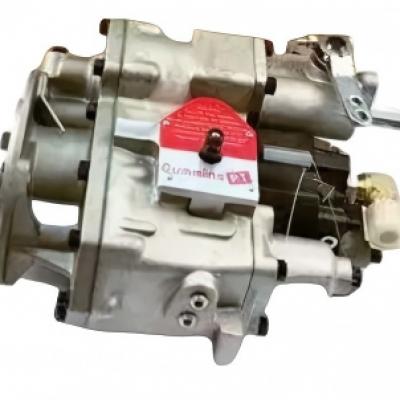
At HekoPower, we do more than just sell the complete marine auxiliary engine. We operate as a comprehensive Cummins 4BTA3.9-GM47 marine generator engine supplier, providing deep technical support. Operators must regularly inspect the BYC A fuel pump for signs of marine fuel contamination or water ingress. Clean fuel delivery is the absolute lifeblood of the 4BTA3.9-GM47 3.9L diesel engine.
The turbocharged water-air intercooler also requires periodic flushing. Saltwater or heavy mineral buildup restricts airflow and drastically reduces the 63HP Cummins marine auxiliary engine's thermal efficiency. Ensure your seawater pump configuration is inspected annually, replacing the rubber impeller before it hardens, cracks, or loses suction.
When executing a 3.9L 4-cylinder Cummins marine auxiliary engine replacement, always verify the specific data plate. For example, the D383060MX02 Cummins engine configuration requires specific alignment and mounting parameters. Using non-genuine aftermarket parts during a rebuild often voids critical maritime compliance. We highly recommend keeping a genuine DCEC 4BTA3.9-GM47 engine spare parts and maintenance manual securely on board for immediate troubleshooting at sea.
Common Misconceptions About the Cummins B3.9-GM Series
A very frequent misunderstanding we encounter involves the distinction between propulsion applications and electrical generation. Buyers sometimes contact us asking for a 4BTA3.9-GM47 marine propulsion engine to drive a propeller directly.
The 4BTA3.9-GM47 is strictly a generator drive engine. The "GM" designation in the model name explicitly stands for Generator Marine. Comparing a 4BTA3.9-GM47 marine auxiliary vs propulsion engine reveals entirely different fuel maps, governing systems, and load acceptance criteria. You cannot simply attach a marine gearbox to this auxiliary generator engine and expect it to propel a workboat efficiently. It is engineered from the factory to run at a constant, unvarying 1500 RPM to generate stable 50Hz electricity.
Exploring the Complete Cummins Marine Engine Lineup
Finding the exact match for your ship generator is critical for operational safety, classification compliance, and fuel efficiency. While the 4BTA3.9-GM47 excels remarkably in the 30kW generator bracket, your specific shipbuilding or refit project might require different power nodes or physical dimensions. As your trusted Cummins 4BTA3.9-GM47 marine engine supplier, HekoPower provides comprehensive access to the entire family of auxiliary engines to ensure you have the exact power requirements for your vessel.
Cummins B3.9-GM Series, Marine Auxilliary Diesel Engines for commercial and recreational applications, original products from Dongfeng Cummins Engine Plant (DCEC), Cummins Joint Venture Plant since 1986, 50% shareholding by Cummins USA. This series mainly includes 4BTA3.9-GM47, 4BTA3.9-GM65. All engines complete with sea water pump, heat exchanger, CCS/IMO certificates.
Frequently Asked Questions (FAQs) for Marine Engineers
Does the Cummins 4BTA3.9-GM47 come with official marine class certificates?
Yes. The genuine DCEC Cummins 4BTA3.9-GM47 auxiliary engines supplied by HekoPower are available with full China Classification Society (CCS) approval and comply with international Maritime Organization (IMO) Tier II emission standards. This certification is mandatory for commercial vessels to pass international maritime inspections.
What is the fuel consumption of the 4BTA3.9-GM47?
The 4BTA3.9-GM47 fuel consumption is highly efficient due to its direct injection system and optimized turbocharging technology. At a full 47kW load, it consumes fuel at a rate specifically engineered to keep operational overhead low for commercial vessels. While exact consumption varies slightly based on the connected generator end efficiency and ambient engine room temperatures, it remains one of the most economical choices available today for powering a 30KW marine genset.
Can this engine handle emergency standby power spikes?
Yes. While its prime continuous rating is 47kW, the block possesses a 4BTA3.9-GM47 52kW standby power capability. This 10% overload margin allows the engine to comfortably handle temporary spikes in electrical demand, such as the high inrush currents created when starting heavy electric motors, pumps, or winches on workboats without stalling the generator set or dropping the voltage.
What are the 4BTA3.9-GM47 engine dimensions and weight?
Engine room space is always at a premium on any vessel. The original DCEC 4BTA3.9-GM47 engine is designed with a highly compact footprint. While the final installed dimensions depend slightly on your chosen cooling method—whether utilizing a heat exchanger or keel cooling—its base 3.9L 4-cylinder block is narrow enough to navigate down tight companionways and through standard bulkheads during a mid-life marine engine replacement project.
Does the engine come with marine class certifications?
Yes. When purchasing a genuine Cummins 4BTA3.9-GM47 from HekoPower, we can supply the engine package complete with the necessary CCS / IMO certificates. These documents are often strictly required by local maritime authorities, classification societies, and marine insurance providers to verify the engine meets global emissions and safety standards.